
Introduction
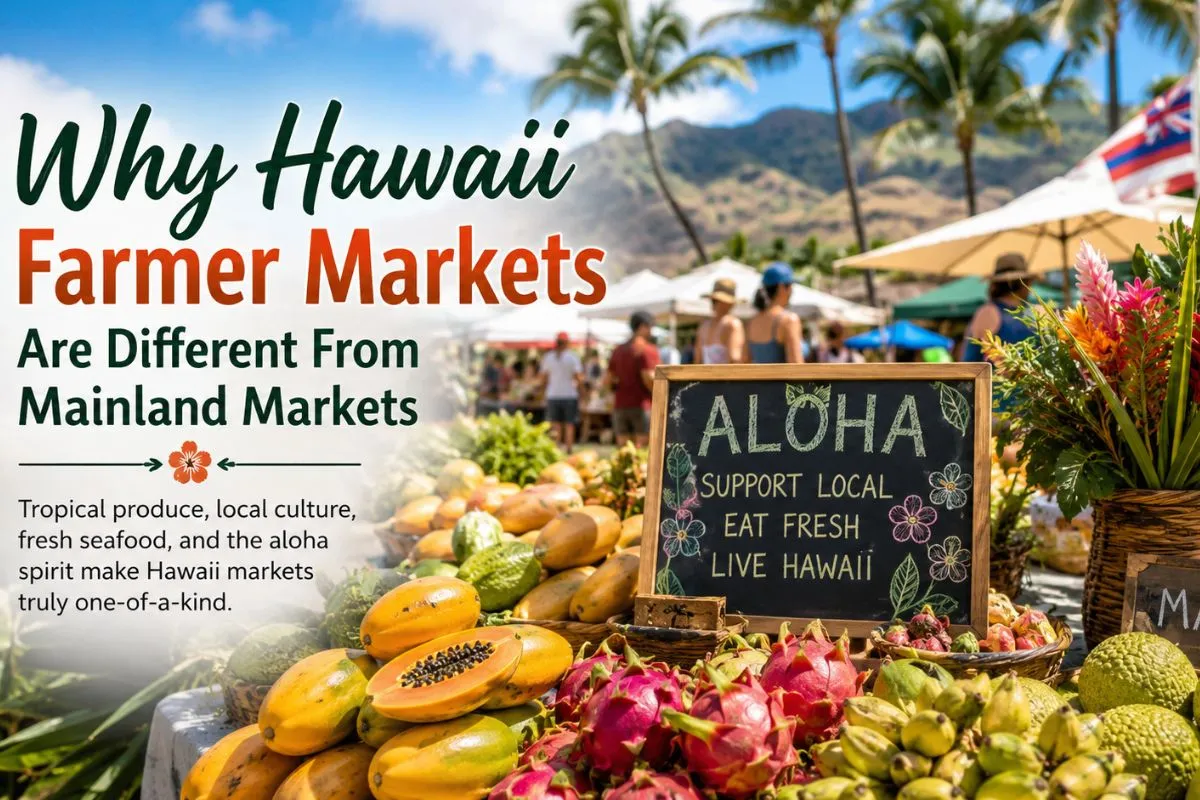
Farmers markets are popular across the United States, but visiting a farmers market in Hawaii feels completely different from shopping at one on the mainland. From tropical produce and island-grown coffee to local traditions and multicultural food influences, Hawaii farmers markets offer an experience deeply connected to island life, sustainability, and community.
Whether you are a Hawaii resident, tourist, food enthusiast, or someone curious about island agriculture, understanding what makes Hawaii farmer markets unique can help you appreciate the rich culture behind every fresh fruit, handmade product, and local meal.
The Unique Climate Creates Exclusive Tropical Produce
One of the biggest differences between Hawaii farmer markets and mainland markets is the year-round tropical growing climate. Hawaii’s warm temperatures, volcanic soil, and consistent sunshine allow farmers to grow fruits and vegetables that are difficult or impossible to cultivate in many mainland states.
At Hawaii markets, shoppers commonly find:
- Fresh papaya
- Dragon fruit
- Lychee
- Rambutan
- Breadfruit
- Taro
- Passion fruit (lilikoi)
- Apple bananas
- Hawaiian avocados
- Coconut products
These tropical ingredients are often harvested locally and sold within hours or days, providing exceptional freshness and flavor.
Mainland markets may focus more on seasonal produce due to changing weather conditions, while Hawaii markets can offer fresh local produce throughout much of the year.
Strong Connection to Hawaiian Culture
Hawaii farmer markets are not only places to buy food—they are cultural gathering spaces. Many vendors incorporate Native Hawaiian traditions, island recipes, and locally inspired craftsmanship into their products.
Visitors often experience:
- Hawaiian music performances
- Local storytelling
- Traditional Hawaiian foods
- Handmade leis
- Island crafts
- Cultural cooking styles
Read More: Top Reasons to Visit a Hawaii Farmers Market During Your Vacation
Foods such as poi, laulau, poke, malasadas, and fresh ahi dishes are commonly featured at many markets, creating a cultural experience beyond simple grocery shopping.
This blend of agriculture and Hawaiian identity makes these markets feel more personal and community-driven compared to many large mainland urban markets.
Farm-to-Table Is a Way of Life in Hawaii
Because Hawaii is geographically isolated, importing food can be expensive. This has increased the importance of supporting local agriculture and buying directly from island farmers.
Many Hawaii residents intentionally shop at farmer markets to:
- Support local farmers
- Reduce imported food dependence
- Encourage sustainable farming
- Access fresher produce
- Strengthen local communities
In Hawaii, the farm-to-table concept is not just a restaurant trend—it is a practical and cultural lifestyle choice.
Volcanic Soil Improves Flavor and Quality
Hawaii’s volcanic soil plays a major role in the quality of locally grown produce. The mineral-rich earth contributes to flavorful fruits, vegetables, coffee beans, and tropical plants.
Hawaiian-grown products known for exceptional quality include:
- Kona coffee
- Maui onions
- Hawaiian cacao
- Macadamia nuts
- Tropical flowers
- Organic herbs
Many shoppers specifically visit Hawaii farmer markets to purchase authentic island-grown products directly from local growers.
Similar Link: Best Things to Buy at Hilo Farmers Market on the Big Island
Seafood Is More Prominent in Hawaii Markets
Unlike many mainland farmer markets that focus heavily on vegetables and baked goods, Hawaii markets frequently include fresh seafood vendors.
Depending on the island and location, visitors may find:
- Fresh ahi tuna
- Poke bowls
- Shrimp plates
- Local fish varieties
- Smoked seafood
- Seaweed products
The ocean plays a major role in Hawaii’s food culture, and that influence is strongly reflected in local markets.
Multicultural Influences Shape Hawaii Markets
Hawaii’s diverse cultural history creates a unique blend of culinary traditions rarely found in mainland farmer markets. Hawaiian, Japanese, Filipino, Chinese, Portuguese, Korean, and Polynesian influences all contribute to the market atmosphere.
This diversity appears in:
- Fusion street food
- Unique desserts
- Local seasonings
- Homemade sauces
- Tropical baked goods
- Island-style snacks
A single Hawaii farmer market can offer Japanese bentos, Filipino lumpia, Hawaiian poke, Portuguese sweet bread, and tropical smoothies all in one place.
Tourism Adds a Different Market Experience
Tourists play a major role in Hawaii’s economy, and many farmer markets are designed to appeal to both locals and visitors.
Popular Hawaii markets often include:
- Souvenir items
- Handmade jewelry
- Local skincare products
- Hawaiian clothing
- Island artwork
- Fresh tropical drinks
This creates a hybrid experience combining agriculture, tourism, entertainment, and local business support.
Mainland markets are often more utility-focused, while Hawaii markets frequently become destination experiences for travelers.
Sustainability Matters More on the Islands
Because Hawaii depends heavily on imported goods, sustainability is a growing priority across the islands. Many Hawaii farmer market vendors emphasize:
- Organic farming
- Zero-waste packaging
- Locally sourced ingredients
- Eco-friendly products
- Small-scale agriculture
- Renewable farming practices
Supporting local markets helps reduce shipping dependence and encourages environmentally responsible food systems.
Community Relationships Are Stronger
Hawaii’s island lifestyle creates closer community connections between farmers, vendors, and customers. Many shoppers personally know the farmers who grow their food.
This direct relationship builds:
- Trust in product quality
- Stronger local economies
- Community support
- Educational opportunities
- Cultural preservation
The “aloha spirit” is often reflected in the warm interactions found throughout Hawaii farmer markets.
Popular Farmer Markets in Hawaii
Some of the well-known farmer markets across Hawaii include:
- KCC Farmers Market in Honolulu
- Hilo Farmers Market on the Big Island
- Upcountry Farmers Market in Maui
- Kauai Community Market
- Kailua Farmers Market on Oahu
Each market offers its own local specialties, seasonal products, and island atmosphere.
Tips for Visiting Hawaii Farmer Markets
If you plan to explore a Hawaii farmer market, consider these helpful tips:
Arrive Early
Fresh produce and popular foods often sell out quickly.
Bring Cash
Some smaller vendors may not accept cards.
Try Local Specialties
Explore tropical fruits and Hawaiian dishes you may not find elsewhere.
Support Small Farmers
Buying directly from local growers helps Hawaii’s agricultural community.
Bring Reusable Bags
Many markets encourage eco-friendly shopping.
Conclusion
Hawaii farmer markets are far more than places to buy fruits and vegetables. They represent the islands’ culture, sustainability efforts, agriculture, community values, and multicultural traditions. From tropical produce grown in volcanic soil to fresh seafood and authentic Hawaiian foods, these markets deliver an experience that is distinctly different from mainland America.
For both locals and visitors, exploring a Hawaii farmer market offers a deeper connection to island life and the people who make Hawaii’s agricultural culture so special.



























Sign in to leave a comment.