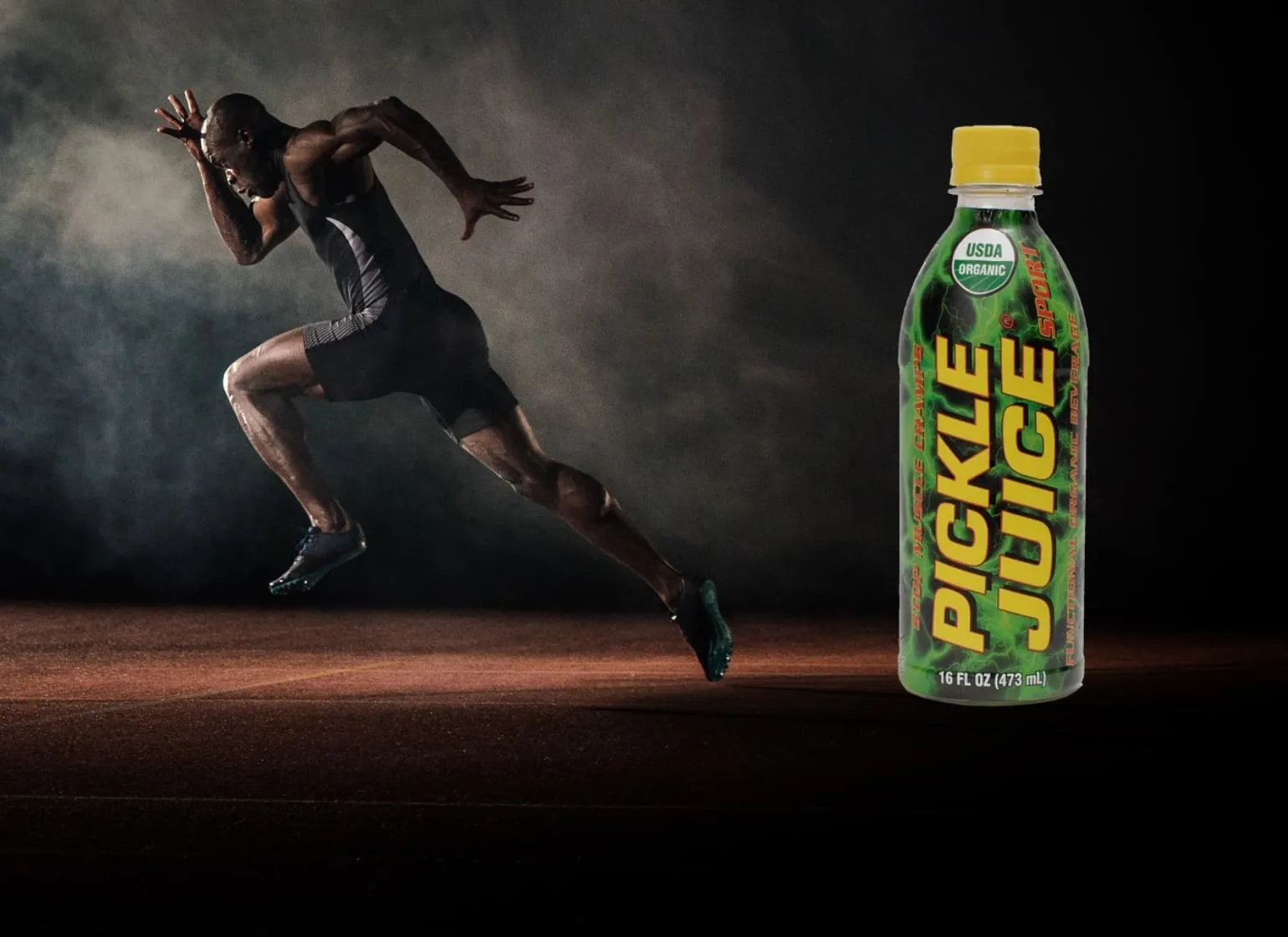

Australian Rules Football is one of the most physically demanding sports in the world.
AFL players cover huge distances during matches, sprint repeatedly, absorb heavy contact, and compete in hot conditions that place enormous stress on the body. Muscle cramps, dehydration, and fatigue are constant concerns — especially late in games when recovery and endurance become critical.
That’s one reason pickle juice recovery has quietly become popular among many athletes in Australia.
While it may sound unconventional to outsiders, pickle juice is now widely discussed in endurance sports and professional athletics because of its potential role in reducing muscle cramps and supporting recovery during intense physical performance.
For AFL players, where every sprint, kick, and transition matters, even small recovery advantages can make a difference.
Why AFL Players Are Prone to Muscle Cramps
AFL matches demand an unusual combination of endurance, power, speed, and repeated explosive movement.
Players often experience:
- Long-distance running during matches
- Sudden acceleration and sprinting
- Constant directional changes
- High sweat loss
- Repeated muscular fatigue
- Heavy physical contact
As fatigue builds, cramp risk increases significantly.
Calves, hamstrings, quadriceps, and feet are especially vulnerable late in matches or during periods of extreme heat.
Australian summers can also create difficult playing conditions, especially during preseason training and afternoon matches where dehydration and electrolyte loss become more severe.
Because of this, AFL recovery strategies are taken very seriously at both professional and amateur levels.
Why Pickle Juice Became Popular in Sports Recovery
Pickle juice first gained attention in American football and endurance sports, where athletes noticed it sometimes helped stop cramps quickly.
Over time, the trend spread globally into:
- Marathon running
- Cycling
- CrossFit
- Triathlon
- Team sports
Australian athletes eventually adopted it as well, particularly in environments where heat, sweat loss, and fatigue create ongoing cramp problems.
Today, pickle juice shots and concentrated recovery products are commonly discussed within sports performance communities because athletes value anything that may help them recover faster or avoid cramping during competition.
What Makes Pickle Juice Different?
Most people assume pickle juice works because of its sodium content.
And while sodium certainly matters for hydration, research suggests pickle juice may work differently than traditional sports drinks.
Pickle juice usually contains:
- Sodium
- Vinegar
- Water
- Small amounts of potassium
- Pickling spices
What surprised researchers is how quickly some athletes reported relief after drinking it.
In many cases, cramp reduction appeared within about 30–90 seconds.
That is faster than the body can realistically absorb electrolytes into the bloodstream.
Because of this, scientists began studying another possible explanation.
The Neurological Theory Behind Pickle Juice
Current research suggests pickle juice may help calm muscle cramps through a neurological reflex.
The strong acidic taste from vinegar appears to stimulate receptors in the mouth and throat. Those receptors may then trigger signals that help reduce abnormal nerve activity associated with muscle cramps.
In simple terms:
The intense flavor may interrupt the cramp signal.
This is one reason athletes often consume only small amounts during competition.
They are not trying to fully rehydrate instantly. Instead, they may be activating a fast sensory response linked to muscle control.
That theory has influenced newer anti-cramp products that include ingredients such as:
- Vinegar
- Ginger
- Capsaicin
- Citrus compounds
Many sports nutrition companies now focus on nerve stimulation rather than only electrolyte replacement.
Why AFL Players Value Fast Recovery
Recovery matters enormously in Australian Rules Football because the sport places constant stress on the body across long seasons.
Players often train and compete multiple times per week while managing:
- Muscle soreness
- Fatigue
- Cramping
- Hydration demands
- Soft tissue strain
Late-game cramping can affect:
- Sprint speed
- Kicking accuracy
- Defensive movement
- Decision-making
- Overall endurance
Even temporary muscle tightness can reduce performance significantly.
Because of this, athletes and sports staff continuously experiment with recovery methods that may provide even small performance improvements.
Pickle juice became attractive because it is:
- Portable
- Fast to consume
- Easy to carry during training
- Relatively inexpensive
- Commonly associated with rapid cramp relief
How AFL Athletes Typically Use Pickle Juice
Most athletes do not drink large bottles casually throughout the day.
Instead, pickle juice is usually consumed strategically.
Before Training or Matches
Some players take small amounts before activity if they are prone to cramping.
During Competition
Athletes may consume 1–3 ounces when early cramp signs appear.
After Games
Some players include pickle juice alongside broader recovery protocols involving:
- Water
- Electrolytes
- Recovery meals
- Protein intake
- Stretching
- Massage
- Cold therapy
It is generally viewed as one tool within a larger recovery system.
Why Heat Makes Recovery Harder in Australia
Australian sports environments can become extremely demanding because of temperature and humidity.
Hot conditions increase:
- Sweat loss
- Sodium depletion
- Fatigue
- Neuromuscular stress
This is especially challenging during:
- Summer preseason camps
- Afternoon matches
- Consecutive training days
- Regional competitions in hotter climates
Athletes who sweat heavily often spend years testing different hydration and recovery strategies to reduce cramping risk.
That experimentation is one reason pickle juice continues to maintain popularity among competitive athletes.
Common Misunderstandings About Pickle Juice Recovery
There are several myths surrounding pickle juice in sports.
Myth 1: It Instantly Fixes Hydration
Pickle juice is not a complete hydration solution.
Athletes still need:
- Water
- Electrolytes
- Carbohydrates
- Proper recovery nutrition
Myth 2: More Is Better
Large amounts can cause:
- Stomach discomfort
- Nausea
- Excess sodium intake
Most athletes use very small servings.
Myth 3: It Works for Everyone
Some athletes report strong results.
Others notice little difference.
Cramps are complex and influenced by multiple factors including conditioning, pacing, fatigue, and genetics.
What Sports Science Currently Says
Research on pickle juice recovery is still ongoing.
Some studies suggest it may reduce cramp duration faster than water alone, particularly for exercise-induced cramps.
However, scientists also note:
- More research is needed
- Results vary between individuals
- Not all cramps have identical causes
Even with those limitations, the practical popularity of pickle juice among athletes continues growing because many competitors believe it helps in real performance settings.
In elite sports, perceived effectiveness often matters because athletes repeatedly use strategies that fit their personal recovery experience.
Best Practices for Athletes Considering Pickle Juice
For athletes interested in trying pickle juice recovery, sports nutrition experts usually recommend a balanced approach.
Test During Training
Never experiment for the first time during competition.
Use Small Quantities
Most athletes use only 1–3 ounces.
Continue Full Hydration Strategies
Pickle juice should complement — not replace — proper hydration planning.
Track Cramp Patterns
Pay attention to when cramps occur:
- Heat exposure
- Fatigue
- Poor pacing
- Long sessions
- Recovery problems
Understanding patterns often matters more than finding a single quick fix.
FAQ
Why do AFL players use pickle juice?
Many AFL players use pickle juice because they believe it may help reduce muscle cramps and support recovery during intense training and matches.
Does pickle juice stop cramps immediately?
Some athletes report relief within 30–90 seconds, though results vary between individuals.
Is pickle juice better than sports drinks?
Not necessarily. Sports drinks focus on hydration and energy replacement, while pickle juice is mainly used for cramp management.
How much pickle juice do athletes drink?
Most athletes consume small servings, usually around 1–3 ounces.
Is pickle juice scientifically proven?
Research shows promising results, but scientists still say more studies are needed to fully understand how effective it is.
Final Thoughts
AFL players compete in one of the toughest athletic environments in professional sports.
The combination of endurance running, explosive movement, heat, and repeated physical contact creates ideal conditions for fatigue and muscle cramps.
That’s why recovery strategies matter so much in Australian football.
Pickle juice recovery may sound unusual at first, but its growing popularity among athletes reflects something simple: competitors are always searching for reliable ways to stay performing at their best.
Whether the benefits come from neurological stimulation, electrolyte support, or individual athlete response, pickle juice has earned a place in many sports recovery conversations across Australia.

























Sign in to leave a comment.