
Introduction
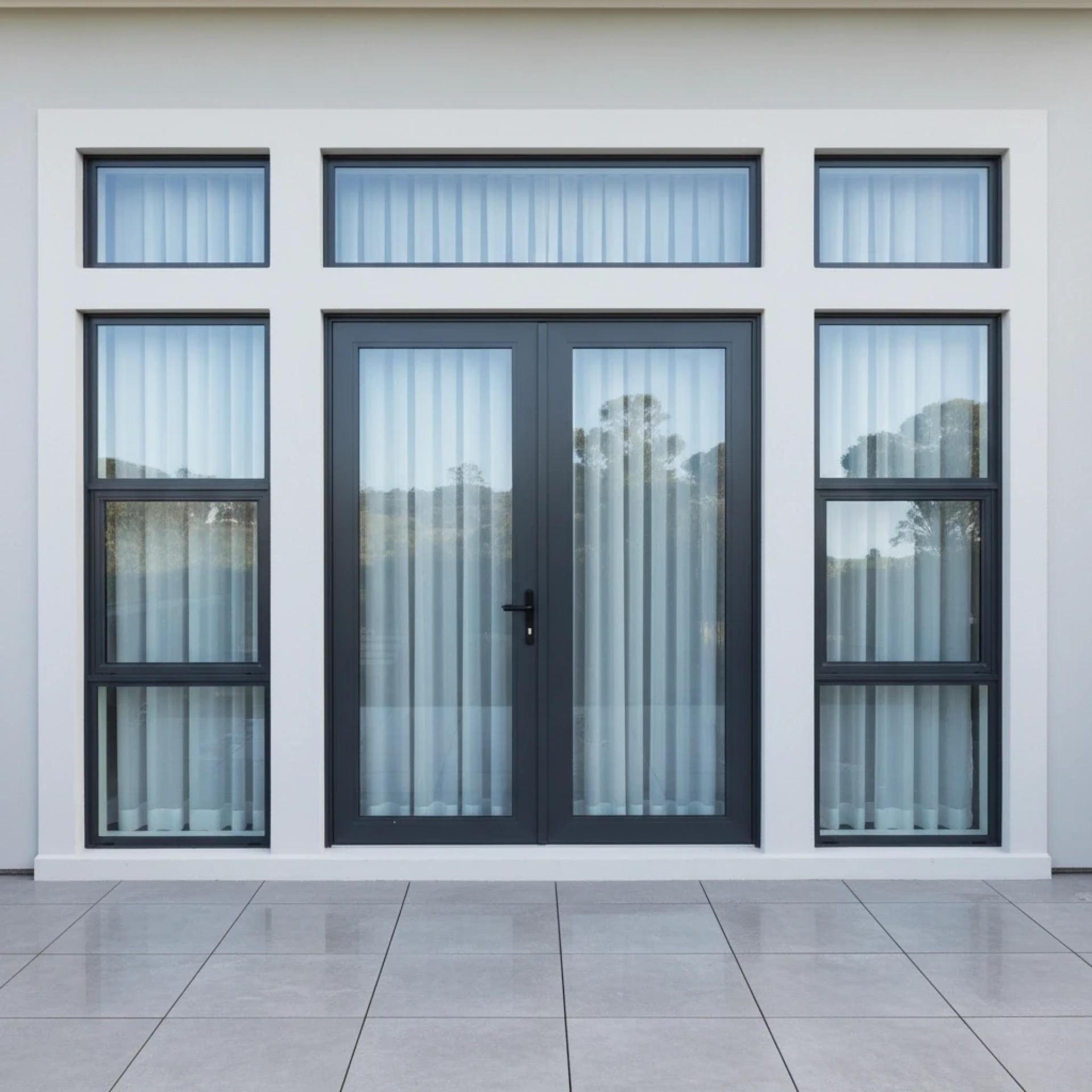
Aluminium doors have become an essential element in modern architecture. Their ability to combine strength, minimal design, and long term durability makes them suitable for both residential and commercial spaces. As building designs move toward cleaner lines and open layouts, aluminium door systems offer flexibility without compromising performance.
This article explores why aluminium doors are widely preferred, the different types available, installation best practices, and how proper maintenance ensures lasting performance.
Why Aluminium Doors Are a Preferred Choice
Choosing the right door system plays a key role in both functionality and appearance. Aluminium doors offer several advantages that make them suitable for contemporary construction.
- Aluminium frames provide high strength with a lightweight structure
- They resist corrosion and weather related damage
- Aluminium doors require minimal maintenance compared to wood
- Slim profiles allow for larger glass panels and modern aesthetics
- The material supports long term structural stability
These qualities make aluminium doors ideal for homes, offices, and commercial buildings.
Understanding Aluminium Door Systems
Aluminium door systems are engineered solutions designed to deliver consistent performance across various applications. Unlike traditional doors, system based aluminium doors are manufactured using precision profiles and integrated hardware.
Key characteristics of aluminium door systems include:
- Precision engineered aluminium profiles
- Compatibility with sliding, hinged, and folding configurations
- Support for different glazing options
- Smooth operation with durable hardware components
System based doors are suitable for projects that require reliability and uniform design standards.
Types of Aluminium Doors Used in Modern Architecture
Different spaces require different door configurations. Aluminium doors are available in multiple formats to suit functional and design requirements.
Sliding Aluminium Doors
Sliding aluminium doors are commonly used for balconies, patios, and living areas. They allow wide openings and smooth movement while saving space.
Hinged Aluminium Doors
Hinged aluminium doors are suitable for main entrances and internal access points. They provide secure operation and can be customised with various locking systems.
Folding Aluminium Doors
Folding doors are ideal for spaces that require large openings. They are often used in villas, restaurants, and commercial spaces to create seamless indoor and outdoor connections.
Installation Process for Aluminium Doors
Correct installation is essential to ensure the performance and lifespan of aluminium doors. The installation process typically involves the following steps.
Selecting the Right Door System
The aluminium door system should be selected based on opening size, usage, and design requirements. Proper system selection ensures long term stability.
Preparing the Opening
The door opening must be level and free from structural issues. Accurate measurements are critical for proper alignment.
Frame Installation
The aluminium frame is installed and securely fixed using appropriate fasteners. Proper alignment ensures smooth door operation.
Glass and Hardware Installation
Glass panels and hardware components are installed according to system specifications. Sealing is applied to prevent air and water infiltration.
Final Testing and Adjustment
Door movement and locking mechanisms are tested and adjusted to ensure smooth operation.
Why Professional Installation Matters
Professional installation helps avoid common issues such as misalignment, leakage, and hardware failure. Skilled installers ensure that aluminium doors perform as intended.
Benefits of professional installation include:
- Accurate frame alignment
- Proper sealing and weather protection
- Smooth door operation
- Reduced maintenance issues over time
Professional installation protects both performance and warranty compliance.
Best Applications for Aluminium Doors
Aluminium doors are versatile and can be installed in various settings to enhance functionality and appearance.
- Residential living rooms and balconies
- Main entrances for homes and offices
- Commercial buildings and retail spaces
- Hospitality and mixed use developments
Their adaptability makes aluminium doors suitable for both interior and exterior applications.
Maintenance Tips for Aluminium Doors
Although aluminium doors are low maintenance, regular care improves their lifespan and appearance.
- Clean frames with a soft cloth and mild detergent
- Keep tracks and hinges free from dust
- Inspect seals and hardware periodically
- Address operational issues early to prevent damage
Routine maintenance ensures consistent performance over time.
Conclusion
Aluminium doors offer a practical and durable solution for modern residential and commercial architecture. Their strength, design flexibility, and minimal maintenance requirements make them a reliable choice for long term use.
When selected carefully and installed professionally, aluminium door systems enhance both the functionality and aesthetics of a building. For projects that require dependable and modern door solutions, aluminium doors remain a preferred option.
























Sign in to leave a comment.