In today’s architectural landscape, materials that combine durability, aesthetics, and sustainability are in high demand. One such solution that has gained significant popularity is aluminium wall cladding. Known for its sleek appearance and long-lasting performance, aluminium cladding is widely used in residential, commercial, and industrial projects. Among the various options available, the 3mm anodised aluminium sheet stands out as a preferred choice due to its strength, corrosion resistance, and refined finish.
What Is Aluminium Wall Cladding?
Aluminium wall cladding is an exterior or interior covering system where aluminium panels are fixed onto building surfaces to enhance both protection and visual appeal. It acts as a shield against environmental elements such as heat, rain, pollution, and UV rays, while also providing a contemporary architectural finish.
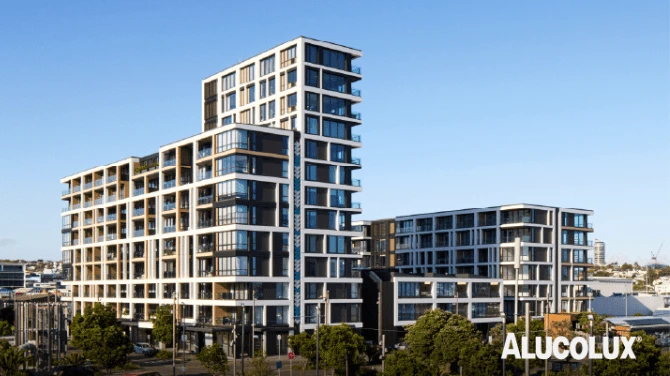
Unlike traditional materials like stone or cement, aluminium is lightweight and easy to install, reducing structural load and construction time. This makes aluminium wall cladding an ideal solution for high-rise buildings, modern homes, corporate offices, shopping complexes, and public infrastructure.
Why Aluminium Is a Preferred Cladding Material
The growing preference for aluminium wall cladding is driven by several key advantages:
1. Durability and Strength
Aluminium is naturally resistant to rust and corrosion, making it suitable for diverse climates, including coastal and high-humidity areas. When combined with anodising, its surface becomes even more robust and scratch-resistant.
2. Lightweight Yet Strong
Despite being lightweight, aluminium offers excellent structural strength. This allows architects and designers to create large panels and bold designs without compromising safety or stability.
3. Low Maintenance
Aluminium cladding requires minimal upkeep. Occasional cleaning with water and mild detergent is sufficient to maintain its appearance for years.
4. Design Flexibility
Aluminium wall cladding is available in various finishes, colours, and textures, allowing creative freedom in both exterior and interior applications.
Understanding 3mm Anodised Aluminium Sheet
A 3mm anodised aluminium sheet refers to an aluminium panel with a thickness of 3 millimetres that has undergone an anodising process. Anodising is an electrochemical treatment that enhances the natural oxide layer on aluminium, improving its resistance to wear, corrosion, and fading.
The 3mm thickness strikes the perfect balance between rigidity and flexibility, making it suitable for cladding applications where both strength and ease of fabrication are required.
Benefits of Using 3mm Anodised Aluminium Sheet in Wall Cladding
When used in aluminium wall cladding systems, 3mm anodised aluminium sheets offer several advantages:
Enhanced Corrosion Resistance
Anodised aluminium performs exceptionally well in harsh environmental conditions. The anodised layer protects the metal from moisture, chemicals, and pollution.
Long-Lasting Finish
Unlike painted surfaces, anodised finishes do not peel or flake. They retain their colour and sheen for decades, even when exposed to direct sunlight.
Premium Aesthetic Appeal
A 3mm anodised aluminium sheet provides a clean, metallic look that complements modern architectural designs. It is often chosen for high-end commercial and luxury residential projects.
Eco-Friendly Material
Aluminium is 100% recyclable, and anodising is an environmentally friendly process. This makes aluminium wall cladding a sustainable building solution.
Applications of Aluminium Wall Cladding
Aluminium wall cladding systems using 3mm anodised aluminium sheets are widely used across different sectors:
- Commercial Buildings: Offices, IT parks, malls, and showrooms
- Residential Projects: Modern homes, apartments, and villas
- Industrial Facilities: Factories and warehouses
- Public Infrastructure: Airports, metro stations, hospitals, and educational institutions
The versatility of aluminium wall cladding allows it to be used for both exterior façades and interior feature walls.
Installation and Performance
One of the key reasons for the popularity of aluminium wall cladding is its ease of installation. Panels made from 3mm anodised aluminium sheets can be fabricated precisely and mounted using mechanical fastening or cassette systems. This ensures proper ventilation, thermal performance, and structural safety.
Additionally, aluminium cladding contributes to better energy efficiency by reducing heat absorption and improving insulation when combined with appropriate backing materials.
Cost-Effectiveness Over Time
While the initial investment in aluminium wall cladding may be higher than some traditional materials, its long-term benefits make it cost-effective. The durability, minimal maintenance, and long lifespan of 3mm anodised aluminium sheets significantly reduce repair and replacement costs over time.
Conclusion
Aluminium wall cladding has emerged as a modern, reliable, and aesthetically pleasing solution for contemporary construction. Its lightweight nature, durability, and design versatility make it a preferred choice for architects and builders alike. When combined with a 3mm anodised aluminium sheet, the cladding system offers superior performance, corrosion resistance, and a premium finish that stands the test of time.
As the construction industry continues to move toward sustainable and innovative materials, aluminium wall cladding using anodised aluminium sheets is set to remain a top choice for both functional and architectural excellence.


























Sign in to leave a comment.