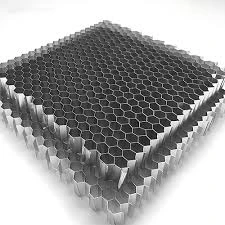
In the modern era of construction and design, materials that offer a perfect balance of strength, lightweight performance, and sustainability are in high demand. One such revolutionary material is the honeycomb panel, a structural solution that has transformed industries like architecture, transportation, aerospace, and interior design. Built using the aluminium honeycomb core, these panels deliver exceptional performance, making them a preferred choice for applications that require durability, rigidity, and style.
What is a Honeycomb Panel?
A honeycomb panel is a sandwich-structured composite made up of three layers: two thin strong face sheets and a core structured like a honeycomb. The most commonly used material in the core of the composite is aluminium, owing to the fact that it is lightweight and at the same time resistant to corrosion. This unique design emulates the natural structure of the honeycomb seen in beehives, providing an excellent strength-to-weight ratio.
The hexagonal cells share loads uniformly along the surface, and the whole structure shows high rigidity and stability with an extremely low overall weight. This makes aluminium honeycomb core panels ideal in those applications where both strength and lightness are critical.
Benefits of Aluminium Honeycomb Core Panels
Lightweight yet strong
The aluminium honeycomb core gives the panel a lightweight structure that doesn’t compromise on strength. It offers outstanding load-bearing capacity, making it ideal for ceilings, claddings, and flooring systems in commercial and industrial spaces.
Excellent Flatness and Stability:
Perfect flatness across big areas is ensured by the honeycomb structure, and that is why honeycomb panels are commonly applied in façade systems, signage, and architectural interiors that require aesthetic precision.
Fire Resistance and Corrosion:
Since aluminium is inherently non-combustible and resistant to corrosion, such panels preserve their integrity even in harsh weather conditions. This property makes them safe and durable for indoor and outdoor applications.
Eco-Friendly and Recyclable:
The fully recyclable core of aluminium honeycomb underlines the growing interest in sustainable construction materials around the world. Manufacturing produces very minimal waste, and at the end of the panel's life span, it can be recycled or reused.
Sound and Thermal Insulation:
Due to its hollow hexagonal cells, the honeycomb core provides both a barrier to sound transmission and insulation against temperature variations for better comfort and energy efficiency.
Applications of Honeycomb Panels
Such versatility applies to honeycomb panels within several industries: Architecture and Construction: It finds application in building façades, canopies, false ceilings, wall cladding, and partitions. Transportation: Lightweight panels are used in trains, ships, and aircraft to improve fuel efficiency without compromising on safety. Furniture and Interiors: Light, durable furniture, countertops, and various decorations make modern designers use aluminium honeycomb core panels. Industrial Uses: Suitable for clean rooms, exhibition panels, and soundproof enclosures.
Why Choose Aluminium Honeycomb Panels?
Compared to solid aluminium or composite panels, honeycomb panels boast better mechanical properties, longer service life, and easier installation. Their adaptability for every custom design and finish makes them a favourite among architects and interior designers who are interested in combining functionality with looks.
Conclusion
The honeycomb panel, reinforced with an aluminium honeycomb core, is more than just a modern engineering innovation—it’s a step forward toward sustainable, efficient, and high-performance design. Whether you’re constructing an architectural masterpiece, designing interiors, or building lightweight industrial solutions, honeycomb panels offer the perfect blend of strength, elegance, and environmental responsibility. With the constant growth of industries, this advanced material is bound to have an even greater impact on how the future of building and design evolves.































Sign in to leave a comment.