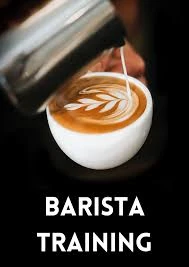
If you are that person who loves the smell of freshly brewed coffee and aspires to design café-style drinks, then attending a coffee barista course may be an ideal next step for you. Whether you want to go professional or just improve your way of making coffee drinks, this can be that very course which will open the doors to a rewarding and creative career in the hospitality industry. But before you jump into it, here is everything you need to know:
1. What is a Coffee Barista Course?
A coffee barista course will train you in the art and science of coffee making, from understanding various types of coffee beans to perfecting the technique of espresso extraction and milk texturing. You will learn the preparation of espresso-based beverages like cappuccinos, lattes, and macchiatos, and go on to more advanced brewing techniques like the pour-over and French press. Some more advanced courses even go on to equipment maintenance, customer service, and café management-skills that anyone looking to work in or open a coffee shop should have.
2. Who Should Take a Barista Course?
Anyone can join who loves coffee. Whether you are looking for a career within the café industry, upskilling as a hospitality professional, or simply love to experiment at home with flavors of coffee, the course is for you. Many students combine it with the WSET Level 1 Spirit Course that covers the basics about spirits and alcoholic drinks and is targeted at people who want to work in premium cafes, restaurants, or bars. The combination of courses adds versatility to your work in the beverage sector and gives you an advantage over other job candidates.
3. What You'll Learn in a Barista Course
A regular coffee barista course covers:
Fundamentals of Coffee: Understanding Bean Types, Roasting Levels, and Flavor Profiles.
Espresso Mastery: The ability to grind, dose, tamp, and extract flawless espresso shots.
Milk techniques: Silky microfoam for latte art and balancing texture.
Brewing methods: Pour-over, AeroPress, French press, and cold brew preparation.
Machine maintenance: Cleaning and maintenance of espresso machines to maintain consistent quality.
Customer service & presentation: Learning how to deliver a great coffee experience.
Advanced courses might also touch on sustainability in the sourcing of coffee beans and the development of your sensory skills to taste and describe coffee like a professional.
4. Duration and Certification
Most of the courses for barista training take a few days to a few weeks, depending on the level and institution. You will receive a certification after completion that can enhance your employability in a café, hotel, or restaurant. If you want an international career, this course combined with the WSET Level 1 Spirit Course will add an international credential recognized across the beverage sector.
5. Career Opportunities After the Course
You will be able to take on jobs as a barista, café manager, coffee roaster, or even open up your own café or coffee consulting business after this course. With the constant development in specialty coffee markets, demand for well-skilled baristas is continuously growing. Mixing your coffee knowledge with the WSET Level 1 Spirit Course will also make mixology, beverage management, and bar consultancy fall within a broader scope of career possibilities.
Final Thoughts
A coffee barista course is not just about making coffee; it's about the craft, culture, and connection between people and their favorite beverage. Be it a fresh start in your career or an addition to your hospitality skills, this course has the potential to give one the confidence and expertise to stand out. If you aspire to an all-rounded career in beverages, the WSET Level 1 Spirit Course will surely make you a master of the art of drinks, complementing your coffee expertise.

































Sign in to leave a comment.