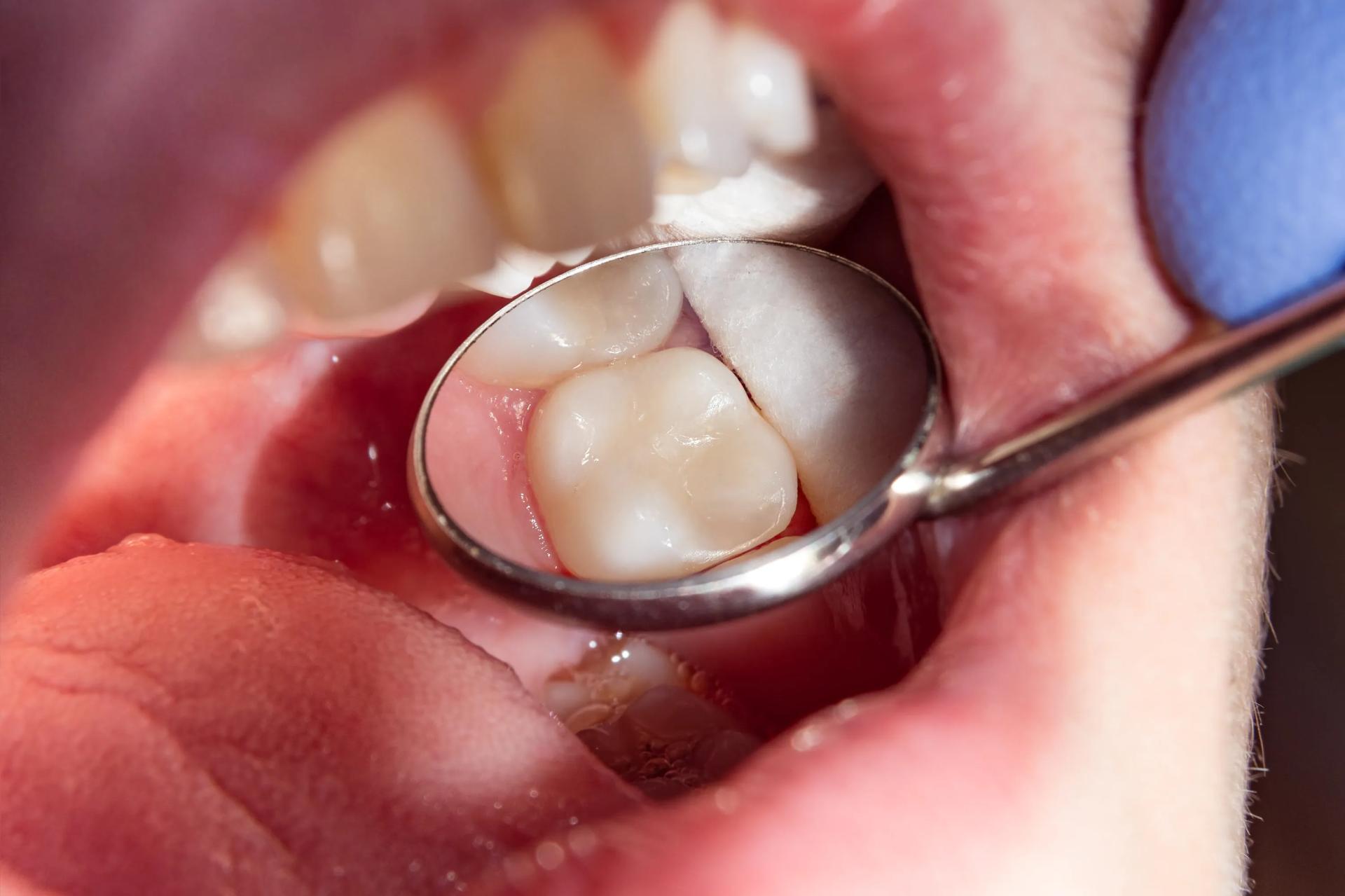

If you have an old silver filling sitting quietly in your mouth like a relic from another era, you are not alone. A lot of people start wondering whether they should keep it, replace it, or switch to something that looks a little more modern. That is where the whole amalgam removal conversation begins.
For many Brisbane patients, this choice is not just about looks. It is about comfort, confidence, durability, and whether you want to keep restoring your smile with the old-school stuff or move to a more natural-looking option. And honestly, that is a fair question. Teeth are not vintage furniture. You do not have to keep every piece just because it has been there a while.
If you are already weighing up a change, Trusted Amalgam Removal in Brisbane can help you understand your options without the drama.
What is amalgam, really?
Amalgam is the classic silver-coloured filling material dentists have used for decades. It is strong, practical, and built to handle chewing pressure without fuss. That is why so many older fillings are still hanging around today.
Composite fillings, on the other hand, are tooth-coloured. They blend in better, which makes them the more popular choice for people who want a cleaner, more natural finish. They also suit modern cosmetic dentistry trends, where people want their dental work to look polished rather than obvious.
So when people talk about amalgam removal, they are usually talking about replacing those older silver fillings with composite restorations for a better look, a fresher feel, or both.
Amalgam vs composite fillings
Here is the simple version.
| Feature | Amalgam Fillings | Composite Fillings |
|---|---|---|
| Appearance | Silver, noticeable | Tooth-coloured, discreet |
| Strength | Very durable | Strong, but may wear faster in heavy bite areas |
| Bonding | Sits mechanically in the tooth | Bonds directly to the tooth |
| Tooth removal | Often needs more trimming | Usually preserves more tooth structure |
| Aesthetics | Less cosmetic | More natural-looking |
| Repairability | More limited | Often easier to repair |
| Popularity | Older style | More modern choice |
If you want a no-nonsense answer, amalgam wins on toughness, while composite wins on appearance. That is the trade-off in one neat little package.
What the official guidance says
Australian health guidance says amalgam remains safe and effective for most people, while dentists may choose different materials in some situations, such as pregnancy, breastfeeding, or kidney disease. You can read that guidance here: healthdirect dental fillings information.
That matters because this is not a “silver fillings are bad” story. It is more of a “what suits your mouth, your goals, and your situation” story. And that is a much smarter way to think about amalgam removal.
Why people choose amalgam removal
People usually do not book amalgam removal on a whim. They usually have a reason. A few common ones:
- They want a cleaner, more natural smile.
- They have an old filling that has cracked, worn down, or changed shape.
- They feel self-conscious when they laugh or speak.
- They want to update older dental work while fixing other issues at the same time.
- They simply prefer composite fillings for personal comfort or cosmetic reasons.
Sometimes it is a practical choice. Sometimes it is a confidence choice. Sometimes it is both. And that is perfectly fine.
The case for composite fillings
Composite fillings have a lot going for them. They look better, and that alone is a huge selling point for many people. But looks are not the only reason dentists and patients like them.
Composite fillings also:
- blend into the tooth colour
- bond to the tooth structure
- often need less tooth removal
- work well for small to medium repairs
- fit beautifully into cosmetic dentistry plans
That last point matters more than people think. When you replace an old filling, you are not only fixing one tooth. You are often improving the whole visual flow of your smile. That is where composite quietly steals the show.
The case for keeping amalgam
Now for the other side of the coin. Amalgam still has loyal fans, and for good reason. It is durable, proven, and very good at handling chewing forces in the back teeth.
I would not treat every silver filling like it is a problem waiting to happen. If it is intact, comfortable, and doing its job, there may be no urgent reason to replace it.
That said, older fillings can sometimes become worn, stained, or loose around the edges. When that happens, your dentist may talk to you about amalgam removal and whether a composite replacement makes sense.
What matters most when deciding?
Here is the real question: what do you want the filling to do for you?
If strength is your top concern and the filling sits in a heavy-bite back tooth, amalgam may still be worth discussing.
If looks, comfort, and a modern finish matter more, composite often comes out on top.
So the better question is not “Which one is perfect?” because no filling material is magic. The better question is, “Which one suits this tooth, this bite, and this smile?”
Will amalgam removal hurt?
Most people worry about the procedure itself, which is fair enough. No one wakes up thinking, “I cannot wait to have a filling replaced today.”
The good news is that dental treatment is usually manageable and very routine. Your dentist can discuss numbing options, and the process itself depends on the size and position of the filling. Some teeth need a simple swap, while others need more careful work.
If anxiety is part of the picture, say so early. A good dentist will not brush that off. They will work with you.
How long do composite fillings last?
Composite fillings have improved a lot over the years. They can last well when placed properly and looked after well. Still, they may not always match the long-term toughness of amalgam in high-pressure areas.
That is why your dentist may recommend composite for some teeth and a different option for others. Dental work should not be a one-size-fits-all outfit. Teeth do not work like that, and neither should your treatment plan.
A practical comparison for Brisbane patients
Brisbane patients often want straight answers, so here is mine.
Choose amalgam removal and composite fillings when you want:
- a more natural smile
- less visible dental work
- a modern cosmetic finish
- replacement for old or damaged fillings
Keep amalgam in the conversation when:
- the filling still works well
- the tooth takes heavy chewing force
- you are focused more on function than appearance
- your dentist sees no reason to replace it yet
That is the honest middle ground, and it usually saves people from making rushed decisions.
A simple side-by-side visual helps readers understand the difference instantly.
What a good dentist will check first
Before any amalgam removal, a good dentist will usually look at:
- The condition of the old filling
- Whether the tooth has cracks or decay around it
- The bite and chewing pressure on that tooth
- The amount of healthy tooth structure left
- Whether composite is the best replacement material
That is the part people sometimes overlook. The filling is only half the story. The tooth underneath tells the real one.
Cost: is composite more expensive?
Usually, yes, composite fillings can cost more than amalgam. That is not shocking. They take careful placement, layering, and shaping so they look good and function well.
But cost is only one part of the picture. A cheaper filling is not automatically the better value if it does not suit the tooth or the outcome you want. Sometimes paying a bit more gives you a result you actually feel happy with every time you smile in a photo.
This works well near the cost or treatment section to keep the page visually calm and polished.
So which one is better?
Here is my plain-English answer.
Composite fillings are usually better if your priority is appearance, modern aesthetics, and a more natural smile.
Amalgam may still be better if strength and long-term durability in tough chewing areas matter most.
And when it comes to amalgam removal, the best decision is not about trends alone. It is about the condition of the tooth, your goals, and what your dentist recommends after a proper look.
That is the difference between following a fad and making a smart dental choice.
Conclusion
If you are thinking about amalgam removal, do not treat it like a simple yes-or-no fashion choice. Look at the whole picture: the tooth, the filling, the bite, your comfort, and how you want your smile to look and feel.
For many people, composite fillings offer the cleaner, more modern result they want. For others, keeping amalgam makes sense when the filling still works well. The right answer depends on your mouth, not a generic rulebook.
So if you have an old silver filling and you are wondering whether it is time for an upgrade, have the conversation. Ask the questions. Get the facts. Then choose the option that fits your smile, not someone else’s.
Book a consultation with a Brisbane dentist and ask whether amalgam removal or composite replacement is the better fit for your teeth, your bite, and your long-term dental goals.
FAQs
Is amalgam removal always necessary?
No. If the filling is stable and the tooth is healthy, your dentist may suggest leaving it alone.
Are composite fillings safer than amalgam?
Composite fillings are commonly chosen for cosmetic reasons, while amalgam remains considered safe for most people. Your dentist can help you weigh both options.
Does amalgam removal damage the tooth?
It can remove some tooth structure, which is why a careful assessment matters before replacing any filling.
How long does a composite filling last?
That depends on where it sits, how much pressure it takes, and how well you care for your teeth.
Can I replace all my silver fillings?
In many cases, yes, but only after a dentist checks whether replacement is actually the best option for each tooth.



























Sign in to leave a comment.