
An amphibious excavator for ocean dredging can be a practical equipment option for certain shallow-water and coastal projects that require sediment removal, shoreline maintenance, and marine environmental restoration. Designed with a flotation-based undercarriage, an amphibious excavator can operate on soft terrain, muddy shorelines, tidal flats, and suitable shallow-water environments where conventional excavators may struggle. The right equipment depends on water depth, wave conditions, currents, sediment type, and project requirements.
What Is an Amphibious Excavator?
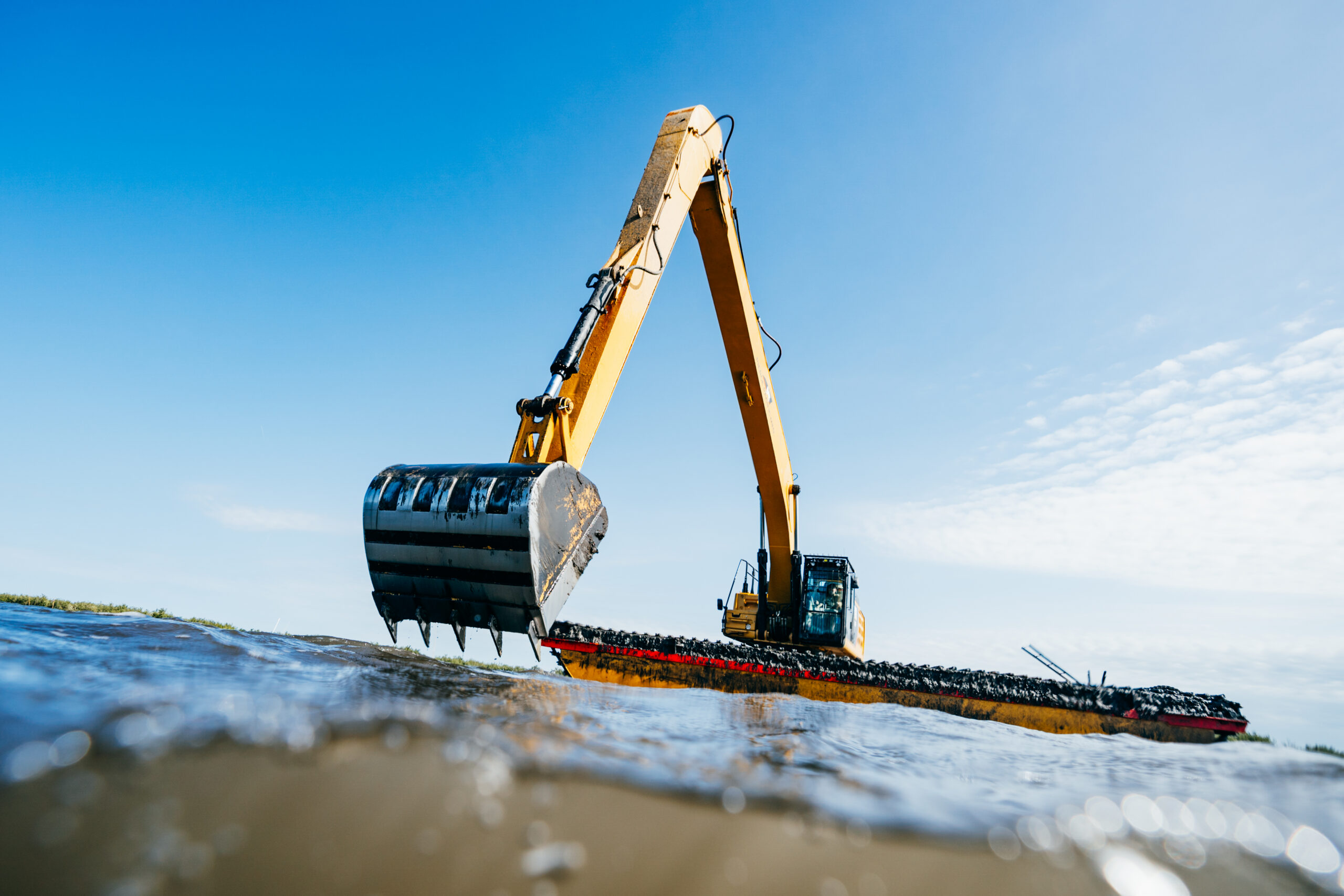
An amphibious excavator is a specialized machine designed to operate on soft ground, marshes, wetlands, and suitable shallow-water environments. It typically uses a flotation-based undercarriage with pontoons that help distribute its weight across a wider surface area.
This design can improve access to muddy shorelines, tidal flats, estuaries, and shallow coastal areas. Depending on its configuration, the machine can perform excavation, sediment removal, grading, and material handling.
However, standard amphibious excavators are not designed for unrestricted operation in deep ocean water or rough offshore conditions. Equipment suitability must be assessed according to the actual marine environment.
How Amphibious Excavators Support Dredging
Amphibious excavators can support selected dredging projects where sediment needs to be removed from shallow water or soft shoreline areas.
Common applications include:
- Removing sediment from shallow coastal channels
- Maintaining estuaries and tidal waterways
- Clearing sediment from shoreline drainage areas
- Supporting coastal restoration projects
- Excavating soft material near river mouths
- Assisting with wetland and marsh restoration
The excavator's reach, bucket capacity, undercarriage design, and operating depth should match the project's requirements.
Benefits for Coastal and Shallow-Water Projects
Access to Soft Terrain
The flotation-based undercarriage helps distribute machine weight, allowing access to certain muddy and saturated areas that may not support conventional excavators.
Flexible Excavation
Depending on the machine and attachment, amphibious excavators can handle sediment removal, grading, and other excavation tasks near shorelines and shallow waterways.
Reduced Ground Pressure
The wider undercarriage can reduce ground pressure compared with conventional tracked equipment. This may help limit disturbance to soft terrain, although environmental impacts still require careful assessment.
Support for Restoration Work
Amphibious equipment can be useful for coastal habitat restoration, shoreline rehabilitation, and related projects where access across soft ground is essential.
Important Considerations for Ocean Dredging
Ocean dredging conditions can differ significantly from work in marshes or protected waterways. Waves, tides, currents, saltwater corrosion, water depth, and seabed conditions can affect equipment performance and safety.
Before choosing an amphibious excavator, assess:
- Water depth and tidal variation
- Wave height and current strength
- Sediment composition
- Required excavation depth and reach
- Equipment stability and operating limits
- Saltwater protection and maintenance
- Sediment transport and disposal requirements
- Environmental permits and marine regulations
For deeper water or exposed offshore locations, purpose-built dredging vessels, floating excavators, or other marine equipment may be more appropriate.
Choosing the Right Equipment
The best equipment depends on the dredging location and project scope. Contractors should determine whether the work involves shallow coastal margins, tidal flats, protected estuaries, or deeper open water. A qualified equipment provider can help evaluate machine specifications, attachments, access requirements, and operating limitations.
Wilco Marsh Buggies for Soft-Terrain Projects
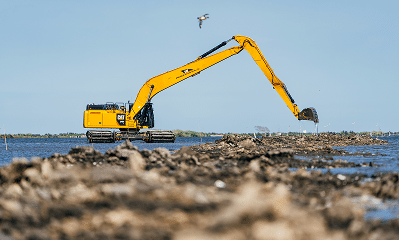
Wilco Marsh Buggies has more than 46 years of experience developing specialized soft-terrain and amphibious equipment. Its machines are built with attention to engineering, design, and craftsmanship for challenging environments.
For projects involving marshes, wetlands, muddy shorelines, and suitable shallow-water areas, Wilco Marsh Buggies offers flexible rental and leasing options. Equipment selection should be based on the project's specific water conditions and operational requirements.
Conclusion
An amphibious excavator can support certain ocean-related dredging projects, particularly in shallow coastal waters, estuaries, tidal flats, and soft shoreline environments. Its flotation-based undercarriage provides access to terrain where conventional equipment may struggle.
However, deep-water and exposed offshore dredging require specialized marine equipment. Evaluating water depth, currents, waves, sediment conditions, environmental requirements, and machine limitations is essential before selecting equipment for a dredging project.

















Sign in to leave a comment.