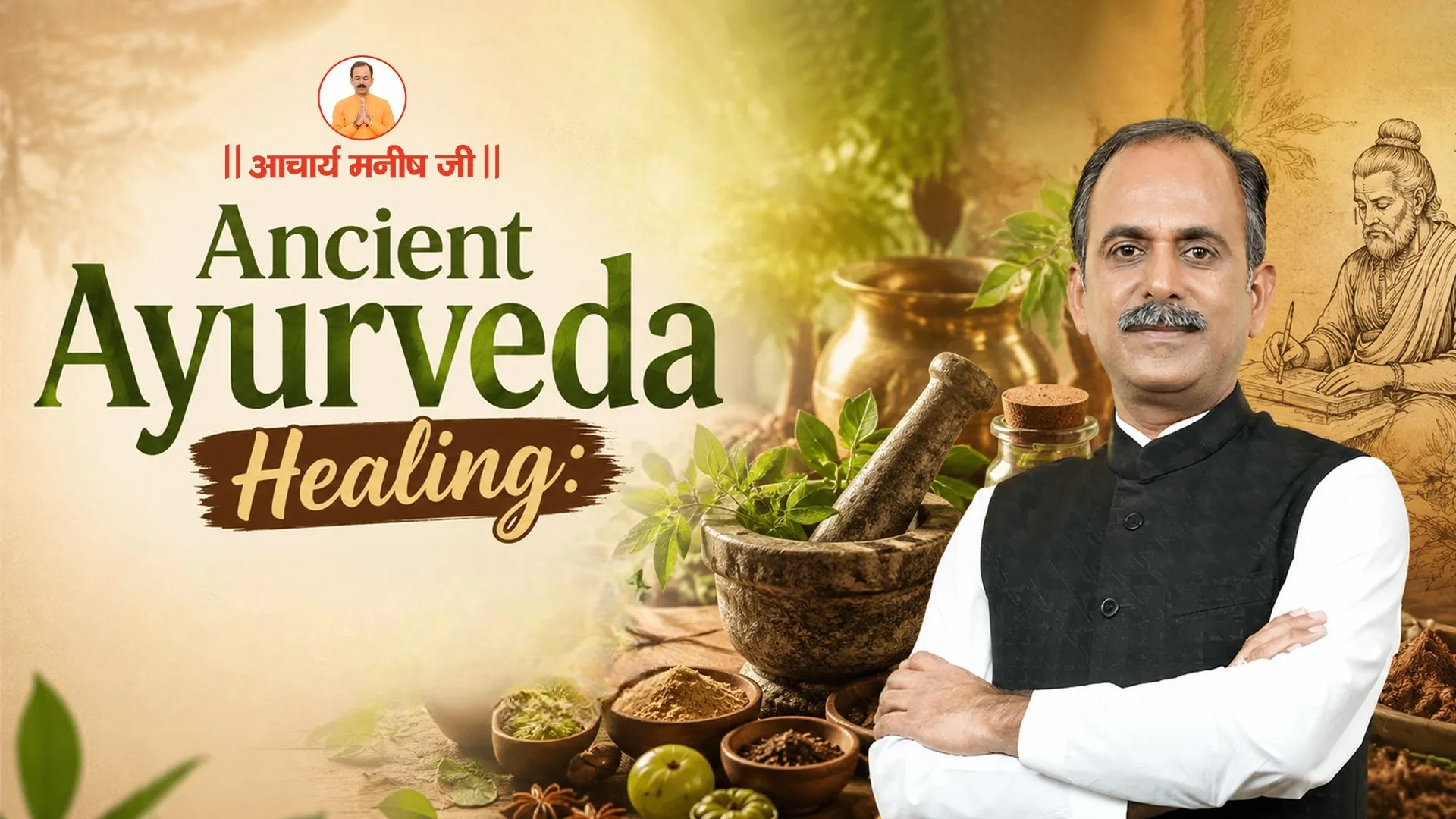

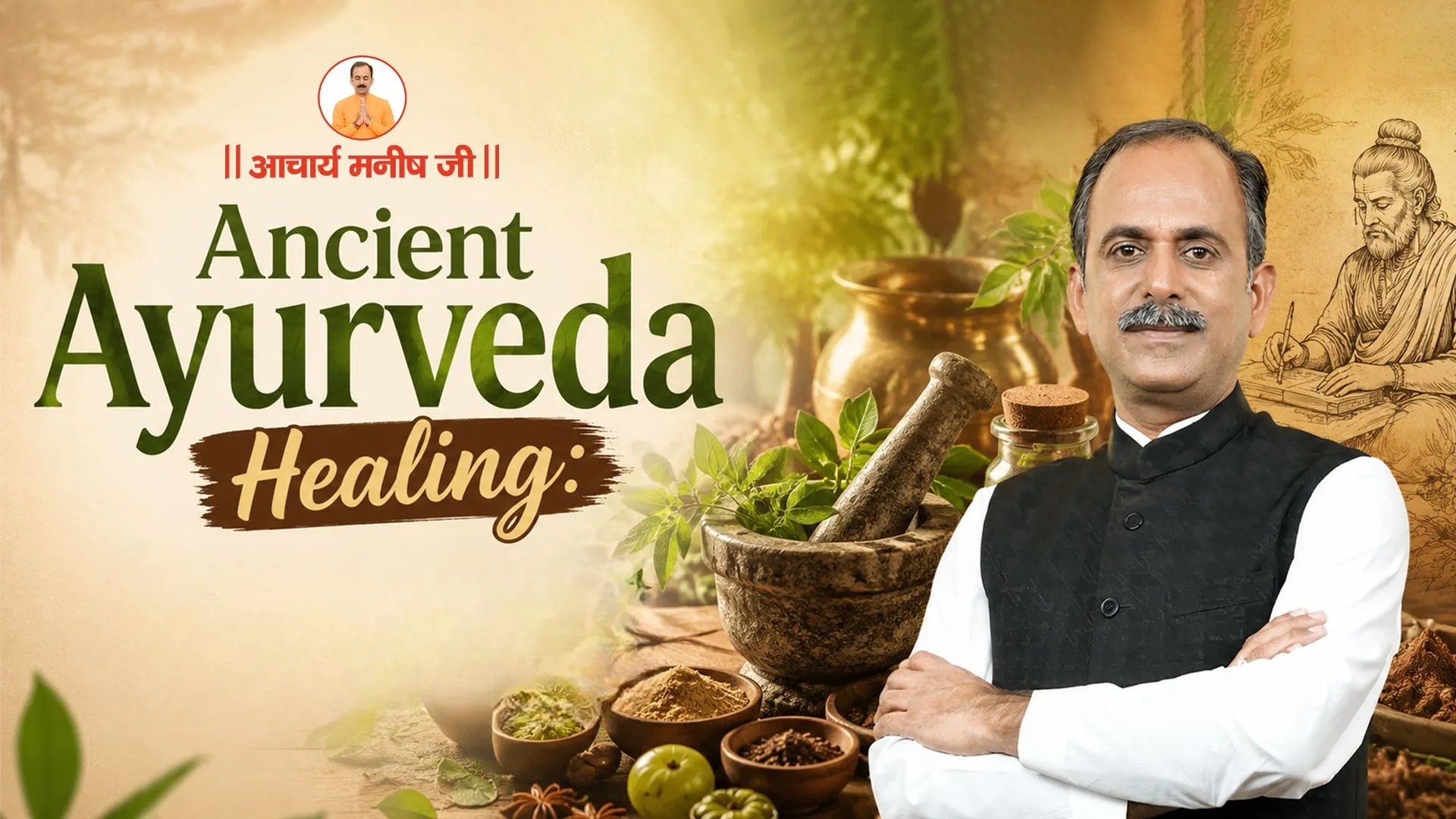
In today’s fast-paced world, people are increasingly searching for natural and sustainable ways to improve their health. Stress, irregular routines, processed foods, lack of sleep, and sedentary lifestyles have become common parts of modern life. As a result, many people are looking back toward traditional systems of wellness for guidance. One of the most powerful and time-tested approaches is Ancient Ayurveda Healing.
Ayurveda is more than a system of medicine. It is a complete science of life that focuses on creating harmony between the body, mind, lifestyle, environment, and natural rhythms. Its approach is based on the understanding that every individual is unique and requires personalised care. Rather than focusing only on symptoms, Ayurveda encourages people to understand the deeper causes of imbalance and develop healthier habits for long-term wellness.
What Is Ancient Ayurveda Healing?
The word Ayurveda comes from two Sanskrit words: “Ayur,” meaning life, and “Veda,” meaning knowledge or science. Together, Ayurveda means the science or knowledge of life. This ancient Indian wellness tradition has guided generations through principles related to diet, daily routine, natural therapies, herbs, mental wellbeing, and disease prevention.
At the heart of Ancient Ayurveda Healing is the belief that health depends on balance. Ayurveda explains this balance through the three doshas—Vata, Pitta, and Kapha. These doshas represent different combinations of the five elements: space, air, fire, water, and earth.
Every person has a unique constitution, known as Prakriti. When lifestyle, diet, stress, environment, or other factors disturb this natural balance, the body may begin to show signs of discomfort or illness. Ayurvedic healing aims to understand the individual constitution and support the body through personalised lifestyle changes, food choices, therapies, and natural wellness practices.
The Importance of Balance in Ayurveda
Modern life often encourages people to ignore the natural signals of the body. People may skip meals, sleep late, work under constant stress, consume heavily processed foods, and remain physically inactive for long periods. Over time, these habits may affect digestion, energy levels, sleep, mood, and overall wellbeing.
Ayurveda places strong importance on maintaining balance before health problems become more serious. This is why Ayurvedic wellness includes much more than herbal remedies. It also focuses on how a person eats, sleeps, works, thinks, exercises, and responds to the changing seasons.
A balanced lifestyle can include regular mealtimes, mindful eating, proper rest, physical activity, meditation, yoga, and appropriate daily routines. These simple practices can become an important foundation for holistic wellbeing.
Ayurvedic Daily Routine: The Power of Dinacharya
One of the most practical concepts in Ancient Ayurveda Healing is Dinacharya, or the Ayurvedic daily routine. It encourages people to align their daily habits with the natural rhythm of the body and environment.
A healthy Ayurvedic routine may include waking at an appropriate time, maintaining personal hygiene, practising mindful breathing or meditation, eating fresh and suitable food, staying physically active, and following a consistent sleep schedule.
The goal is not to create a complicated routine. Instead, Ayurveda encourages small, consistent habits that support the body every day. When healthy actions become part of daily life, wellness becomes a lifestyle rather than something people seek only after becoming unwell.
The Role of Food in Ancient Ayurveda Healing
Ayurveda considers food an important part of health. The right food can support digestion, energy, and overall balance, while unsuitable eating habits may contribute to discomfort and imbalance.
Ayurvedic nutrition considers factors such as an individual's constitution, digestion, age, lifestyle, season, and current health condition. Fresh, wholesome, seasonal foods are generally emphasised, while overeating, irregular meals, and excessive consumption of highly processed foods are discouraged.
Ayurveda also places importance on mindful eating. Eating slowly, paying attention to hunger signals, and avoiding unnecessary distractions during meals can help develop a healthier relationship with food.
Natural Ayurvedic Therapies and Panchakarma
Ayurveda includes a variety of traditional therapies designed to support relaxation, rejuvenation, and overall balance. These may include oil-based therapies, massage, herbal preparations, yoga, meditation, and other personalised wellness practices.
Panchakarma is one of the best-known Ayurvedic therapeutic approaches. It is a traditional, personalised process that may involve preparatory procedures, specialised therapies, and post-therapy care. Because Ayurvedic treatments are individualised, Panchakarma and other intensive therapies should be undertaken under the guidance of a qualified Ayurvedic professional.
The purpose of such therapies is not simply to provide temporary relief. Ayurveda focuses on understanding the person as a whole and supporting healthier patterns in the body and lifestyle.
Ancient Wisdom for Modern Wellness
One reason Ancient Ayurveda Healing continues to attract interest today is its holistic approach. It recognises that physical health, mental wellbeing, daily habits, diet, sleep, and environment are interconnected.
For example, a person experiencing low energy may need to examine not only their food but also their sleep pattern, stress levels, physical activity, and daily routine. Similarly, digestive discomfort may be influenced by eating habits, meal timing, stress, and lifestyle choices.
This whole-person approach makes Ayurveda relevant to modern wellness. It encourages people to become more aware of their bodies and take an active role in their health.
How to Begin Your Ayurvedic Wellness Journey
Beginning an Ayurvedic lifestyle does not require changing everything overnight. Start with simple and sustainable habits. Maintain regular meal and sleep timings. Choose fresh and wholesome foods. Stay physically active. Practise relaxation and mindfulness. Pay attention to how your body responds to different habits.
Most importantly, avoid self-diagnosing complex health conditions or taking strong herbal preparations without professional guidance. A qualified Ayurvedic practitioner can help assess individual needs and recommend an appropriate approach.
Conclusion
Ancient Ayurveda Healing offers a timeless approach to natural wellness based on balance, awareness, prevention, and personalised care. Its principles encourage people to understand their unique constitution, improve daily habits, make thoughtful food choices, and support harmony between the body and mind.
In a world that often searches for quick solutions, Ayurveda reminds us that true wellness is built through consistent choices. By combining ancient wisdom with responsible modern healthcare guidance, Ayurvedic principles can inspire a healthier, more balanced, and more mindful way of living.
Ancient Ayurveda is not simply a tradition from the past. It is a living approach to wellness that continues to guide people toward better self-awareness, healthier routines, and a deeper understanding of the connection between lifestyle and wellbeing.





























Sign in to leave a comment.