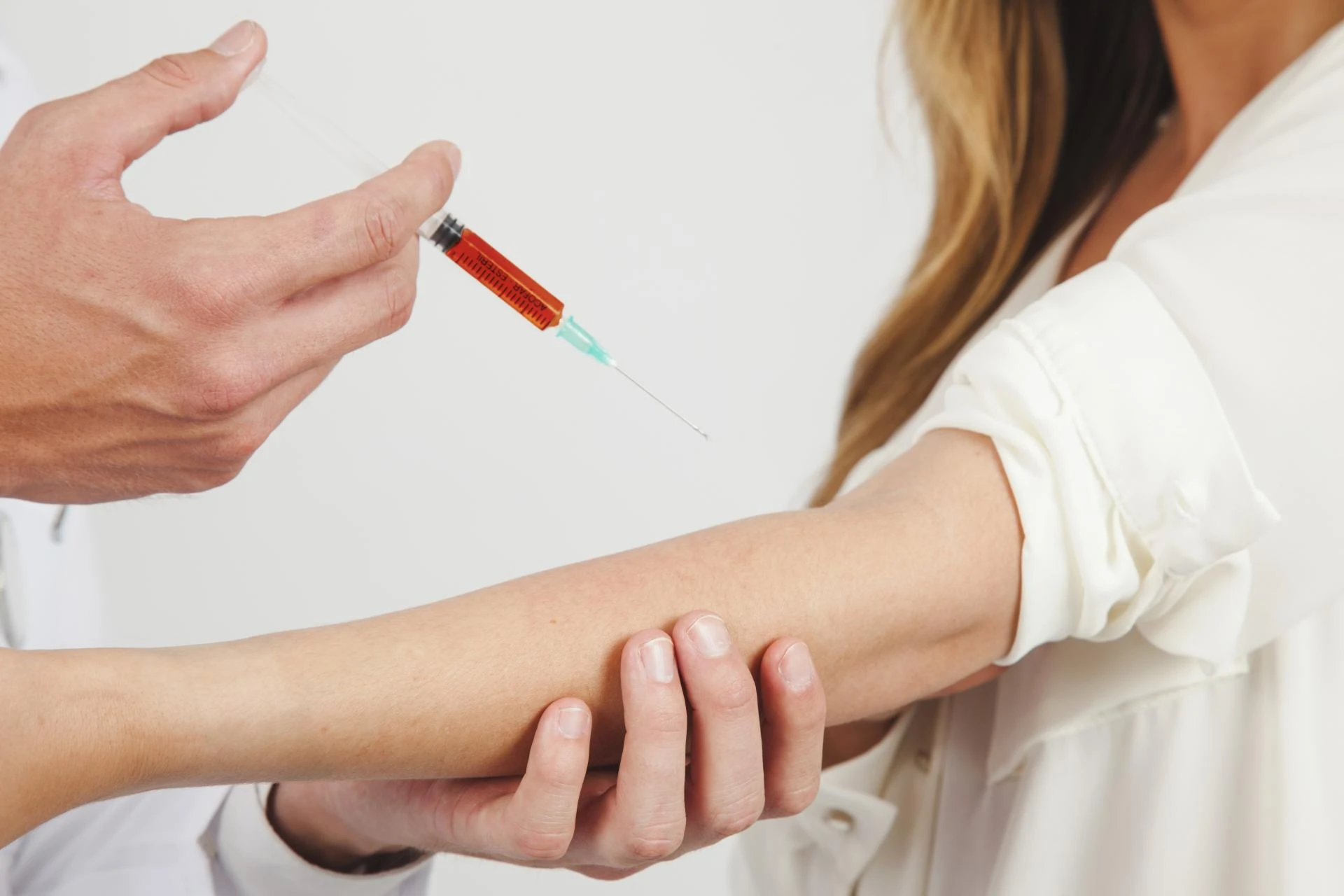

Anemia is a common health condition that occurs when your body lacks enough healthy red blood cells or hemoglobin to carry adequate oxygen to your tissues. This can lead to fatigue, weakness, dizziness, and other symptoms that affect daily life. Fortunately, modern healthcare advancements have made it easier than ever to monitor your health from the comfort of your home. At-home anemia testing is becoming a reliable and convenient option for early detection and ongoing management.
What Is Anemia?
Anemia can result from several causes, including iron deficiency, vitamin deficiencies (like B12 or folate), chronic diseases, or genetic conditions. The most common type is iron-deficiency anemia, often caused by poor diet, blood loss, or increased iron needs during pregnancy.
Why Consider At-Home Anemia Testing?
At-home testing kits provide a simple and accessible way to check your hemoglobin or iron levels without visiting a clinic. These tests are especially helpful for:
- Individuals with recurring symptoms like fatigue or pale skin
- People managing chronic conditions
- Pregnant women monitoring iron levels
- Those with limited access to healthcare facilities
How At-Home Anemia Tests Work
Most home anemia testing kits use a small blood sample, typically obtained through a finger prick. The process generally involves:
- Collecting a Sample – Using a lancet, you prick your finger and collect a small blood drop.
- Applying the Sample – The blood is placed on a test strip or into a collection container.
- Analyzing Results – Some kits provide instant results using a digital reader, while others require sending the sample to a lab.
Types of At-Home Anemia Tests
- Hemoglobin Test Kits: Measure the level of hemoglobin in your blood
- Iron Level Tests: Assess ferritin or iron concentration
- Comprehensive Blood Panels: Provide a broader overview, including vitamin levels
Benefits of Testing at Home
- Convenience: No need for clinic visits or long waiting times
- Privacy: Test discreetly in your own space
- Early Detection: Identify issues before symptoms worsen
- Regular Monitoring: Track your progress if you’re undergoing treatment
Limitations to Keep in Mind
While home tests are helpful, they are not a complete substitute for professional medical diagnosis. Some limitations include:
- Potential for user error during sample collection
- Limited scope compared to full laboratory testing
- Results may require confirmation by a healthcare provider
When to Seek Medical Advice
If your at-home test indicates low hemoglobin or iron levels, or if you experience symptoms such as persistent fatigue, shortness of breath, or chest pain, consult a healthcare professional immediately. Proper diagnosis may involve additional blood tests and medical evaluation.
Tips for Accurate Results
- Follow instructions carefully
- Test at the recommended time (often morning)
- Avoid contamination of the sample
- Use kits before their expiration date
Final Thoughts
At-home anemia testing is a practical and empowering tool for taking charge of your health. It allows for early detection, regular monitoring, and greater awareness of your body’s needs. However, it should be used as a complementary approach rather than a replacement for professional medical care. By combining home testing with expert guidance, you can ensure accurate diagnosis and effective treatment—leading to better overall well-being.




























Sign in to leave a comment.