

What Is Answer Engine Optimization (AEO)?
Answer Engine Optimization, or AEO, is a modern content strategy that focuses on making your content the preferred source for AI-powered platforms. These platforms include Google’s AI Overviews, Microsoft Copilot, ChatGPT, Perplexity, and others that generate answers instantly using artificial intelligence.
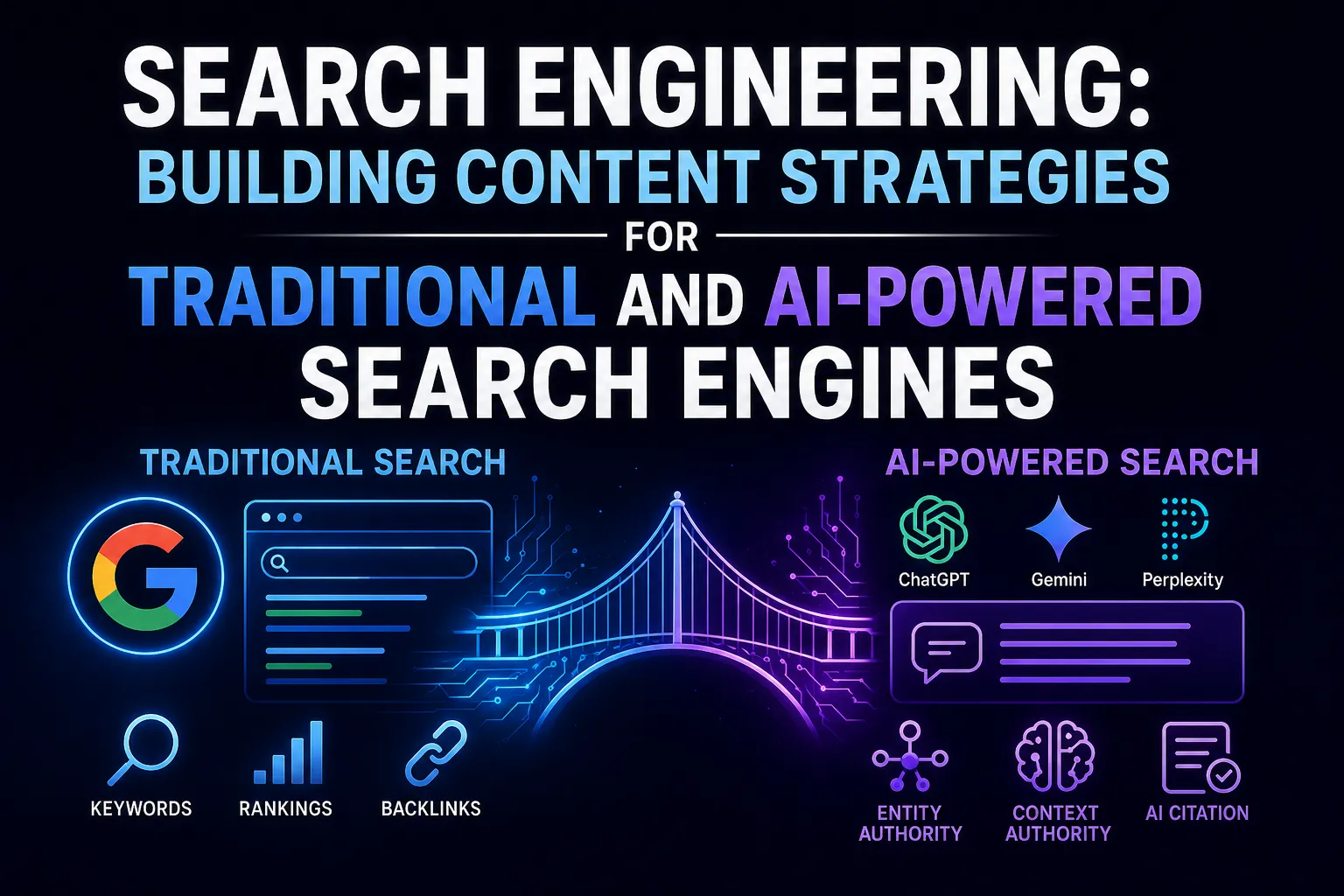
Unlike traditional SEO, which aims to rank web pages in search engine results, AEO is all about helping your content get directly cited or quoted in AI-generated responses. It is not about clicks or ranking positions. It is about visibility in conversational answers.
Why AEO Matters in 2025
In 2025, user behavior is changing rapidly. Millions of users now rely on AI platforms for quick answers instead of scrolling through multiple websites. Google has rolled out AI-generated overviews in search results for many queries. Chat-based engines are being used widely for decision-making, shopping, learning, and even medical research.
Organic traffic from search engines has started to decline, especially for publishers and brands that rely on informational content. As more users receive direct answers from AI, the need to be featured in those answers has become urgent. Ignoring AEO could mean missing out on a growing share of visibility.
How AEO Differs From SEO and GEO
While SEO focuses on ranking content in traditional search results, AEO focuses on getting content cited by AI as the best answer. Generative Engine Optimization (GEO) goes even further by optimizing content to be included in large language model training and summaries.
Here is a simple breakdown:
- SEO targets ranking for keywords and increasing clicks.
- AEO targets being quoted or used in AI-generated answers.
- GEO focuses on structured content that AI systems can pull into wider summaries or conversations.
AEO overlaps with both SEO and GEO, but its purpose is to win visibility inside the answer itself.
How to Craft Content for AEO
Here are key strategies to improve your chances of being included in AI responses.
1. Use a Conversational and Clear Tone
AI engines favor content that directly answers common questions in natural language. Use headings like “What is...” or “How does...” followed by clear and helpful explanations. Avoid overly technical language unless it is necessary.
2. Organize Content with Structure
Use subheadings, bullet points, and tables where possible. AI systems process content better when it is well-organized. Adding FAQ sections or Q&A formats within your content helps guide AI models to extract specific answers.
3. Show Expertise and Trustworthiness
Make sure your content is accurate, up to date, and supported by credible data. Citing factual information and statistics gives your content authority. Author bios, transparent sources, and content with depth are favored by AI engines looking for trusted information.
4. Apply Schema Markup and Technical Enhancements
Adding structured data like FAQ and How-To schema helps machines understand your content better. Ensure your site loads quickly and is mobile-friendly. Although users may not visit your page directly, AI engines still prefer optimized, well-performing sites.
5. Cover Related Questions and Topics
Instead of focusing on a single keyword, cover multiple related questions that fall under a topic. AI tools often provide grouped answers or summaries, and covering a cluster of questions improves your chance of being referenced.
6. Monitor AI Citations
Use monitoring tools to track where your content is being cited in AI platforms. These insights help you understand which pages are performing well in answer engines and where improvements are needed.
Mistakes to Avoid
- Writing for bots instead of people. AI tools prefer well-written, helpful content rather than keyword-stuffed pages.
- Ignoring traditional SEO. Good page structure, quality links, and domain authority still play a role in AEO success.
- Skipping authenticity. If your content sounds robotic, generic, or copied, it is unlikely to be used by AI engines.
Example of AEO-Optimized Writing
Question: How is AEO different from traditional SEO?
Answer: Traditional SEO is designed to help websites rank higher in search engine results, which encourages users to click through to visit a page. AEO, on the other hand, is focused on creating content that AI tools can use directly in their answers. The goal is to provide clear and accurate information that satisfies the user’s query without requiring a click.
This direct Q&A style helps AI models select the most relevant snippet for inclusion in their responses.
The Future of Visibility Is Changing
As AI becomes the front door to the internet, being ranked number one in Google is no longer the only goal. Brands and publishers need to think beyond traditional SEO and start optimizing for the way users discover information today.
Creating helpful, structured, and conversational content is the key to success in this new search environment. AEO is not just a trend. It is the next phase of digital visibility.





























Sign in to leave a comment.