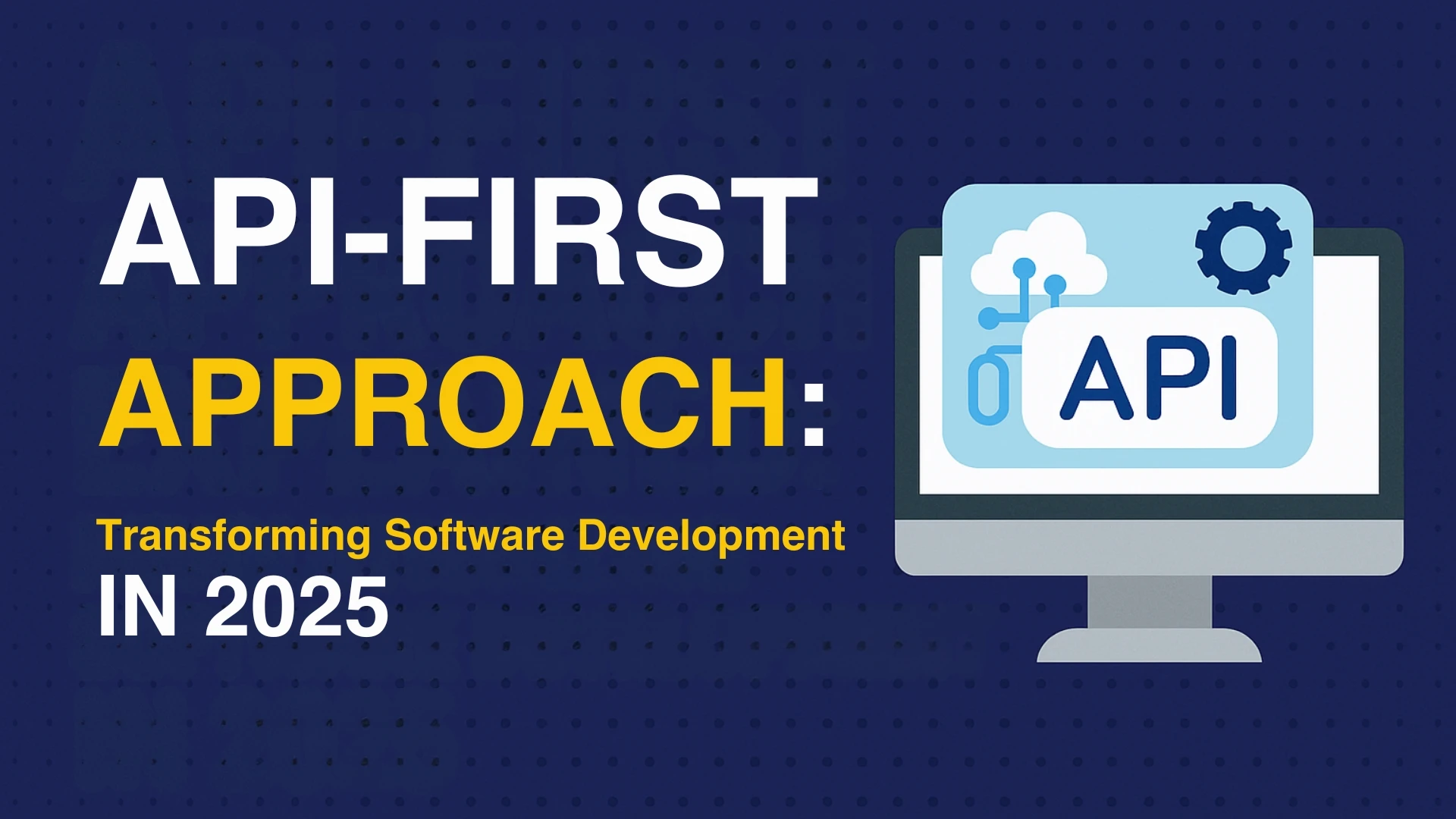

In 2025, software development has shifted toward an API-first approach, where Application Programming Interfaces (APIs) are planned, documented, and tested before any application code is written, transforming how businesses build connected ecosystems. Instead of creating isolated systems, organizations now design APIs as the blueprint for their platforms, using specifications like OpenAPI or GraphQL to define endpoints, data models, and authentication methods before implementation. This methodology enables seamless integrations across industries, whether fintech apps linking with wallets, healthcare platforms exchanging patient data, or retailers connecting with logistics services while supporting cloud-native architectures, microservices, and faster time-to-market through parallel development with mock servers. Unlike the traditional code-first model, API-first ensures consistent endpoints, robust documentation, and long-term adaptability, much like designing plumbing and wiring before constructing a house. Benefits include improved developer experience, reusable APIs across mobile and web apps, future-proof scalability, and stronger security through centralized governance with OAuth 2.0, JWT, and compliance standards such as GDPR and HIPAA. Leading companies like Stripe, Shopify, and modern healthcare platforms demonstrate the power of this approach. Implementing API-first requires treating APIs as products, defining specifications before coding, enabling parallel development, enforcing API governance, and continuously monitoring and securing APIs with tools like Postman, Apigee, or AWS API Gateway. While it demands upfront investment, cultural shifts, and careful versioning to manage complexity, the payoff is substantial: faster releases, scalable integrations, and resilient systems ready for AI-powered APIs, composable enterprises, and industry-standardized data sharing. By embracing API-first development today, businesses position themselves for long-term innovation and competitive advantage in an increasingly interconnected digital landscape.






















Sign in to leave a comment.