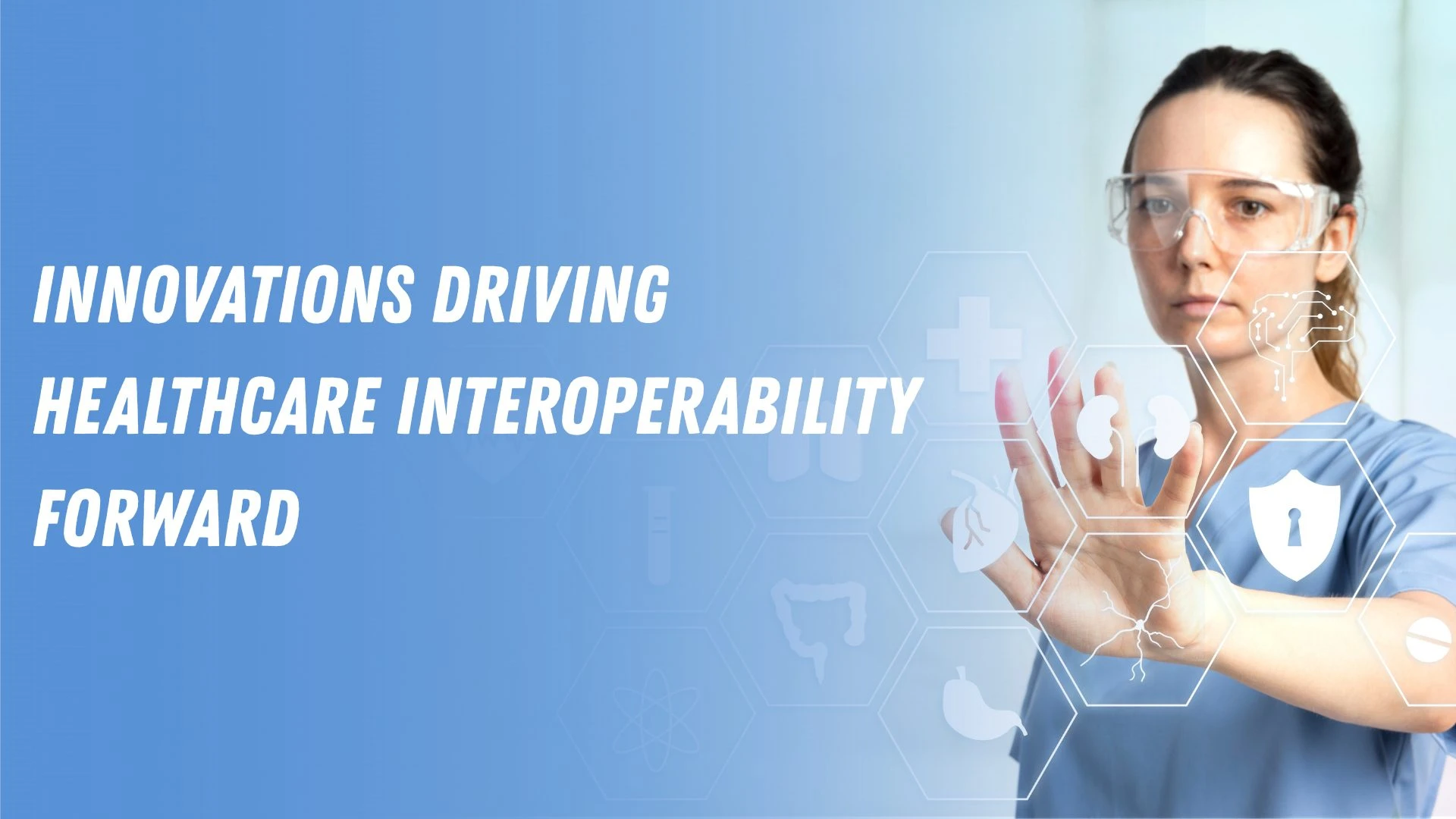

Healthcare interoperability is transforming the way patient data is accessed, shared, and utilized across diverse health IT systems. By enabling seamless communication between platforms, interoperability ensures that providers have real-time access to comprehensive medical information supporting accurate diagnoses, timely interventions, and personalized treatment plans. Innovations such as APIs, FHIR standards, blockchain, cloud computing, and wearable integration are driving this transformation, creating more secure, efficient, and scalable systems. Together, these advancements empower healthcare professionals to deliver coordinated, patient-centered care while reducing costs and eliminating redundancies.
Despite its promise, achieving full interoperability requires overcoming challenges like inconsistent standards, privacy concerns, and limited resources for smaller organizations. Progress depends on collaboration between providers, regulators, and technology developers, as well as investments in stronger cybersecurity and shared frameworks. Looking ahead, AI, machine learning, and advanced analytics will push interoperability even further, enabling predictive care, smarter decision-making, and transparent data exchange. With continued innovation and cooperation, the vision of a connected healthcare ecosystem, one that is secure, efficient, and centered around the patient, is becoming an attainable reality.

























Sign in to leave a comment.