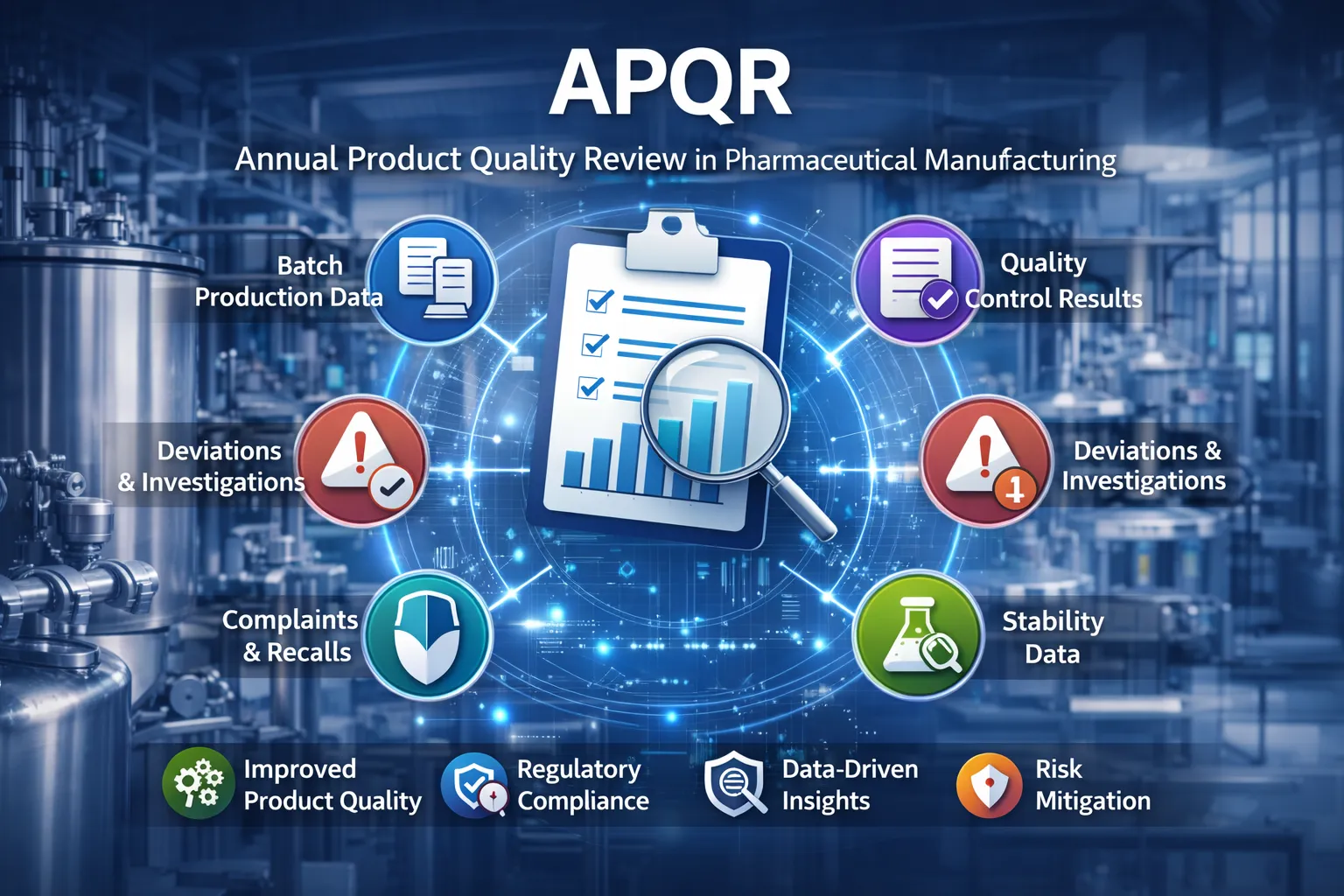
In the pharmaceutical industry, maintaining consistent product quality is essential not only for patient safety but also for regulatory compliance. The APQR (Annual Product Quality Review) plays a crucial role in achieving this by providing a structured and comprehensive evaluation of product performance over time.
Rather than being just a regulatory requirement, APQR serves as a strategic tool for continuous improvement and operational excellence.
What is APQR and Why It Matters
APQR is a periodic review of all relevant data associated with a pharmaceutical product. This includes manufacturing, testing, deviations, complaints, and stability data collected over a defined period.
The goal is to ensure that manufacturing processes remain controlled and capable of consistently delivering products that meet quality standards.
Core Objectives of APQR
- Verify process consistency and product quality
- Identify trends, deviations, and recurring issues
- Evaluate the effectiveness of corrective and preventive actions (CAPA)
- Ensure compliance with regulatory guidelines
- Support continuous improvement initiatives
Key Elements of an Effective APQR
Manufacturing Performance Review
Analyzing batch records helps assess whether production processes are stable and consistent.
Quality Metrics Evaluation
Reviewing test results ensures that products meet predefined specifications.
Deviation and CAPA Analysis
Understanding deviations and corrective actions helps prevent future issues.
Customer Feedback Assessment
Complaints and feedback provide valuable insights into product performance in the market.
Stability Monitoring
Evaluating stability data ensures that products maintain quality throughout their shelf life.
Change Management Review
Assessing changes in materials, processes, or equipment ensures they do not negatively impact quality.
Business Value of APQR
Enhanced Product Reliability
Consistent monitoring ensures that products meet quality expectations across all batches.
Regulatory Assurance
APQR provides documented evidence of compliance, making audits and inspections smoother.
Proactive Risk Management
Early detection of trends helps mitigate risks before they escalate.
Improved Process Efficiency
Insights gained from APQR help optimize manufacturing processes and reduce variability.
Data-Driven Decision Making
Organizations can make informed strategic decisions based on comprehensive data analysis.
Overcoming Traditional APQR Challenges
Manual APQR processes often involve collecting data from multiple systems, leading to inefficiencies and errors. These challenges can result in delayed reporting and limited visibility into trends.
Modernizing APQR with Digital Solutions
Digital APQR tools are transforming the way pharmaceutical companies manage quality reviews. By automating data collection and analysis, these solutions provide:
- Faster report generation
- Improved accuracy and consistency
- Real-time data access
Advanced analytics for better insights
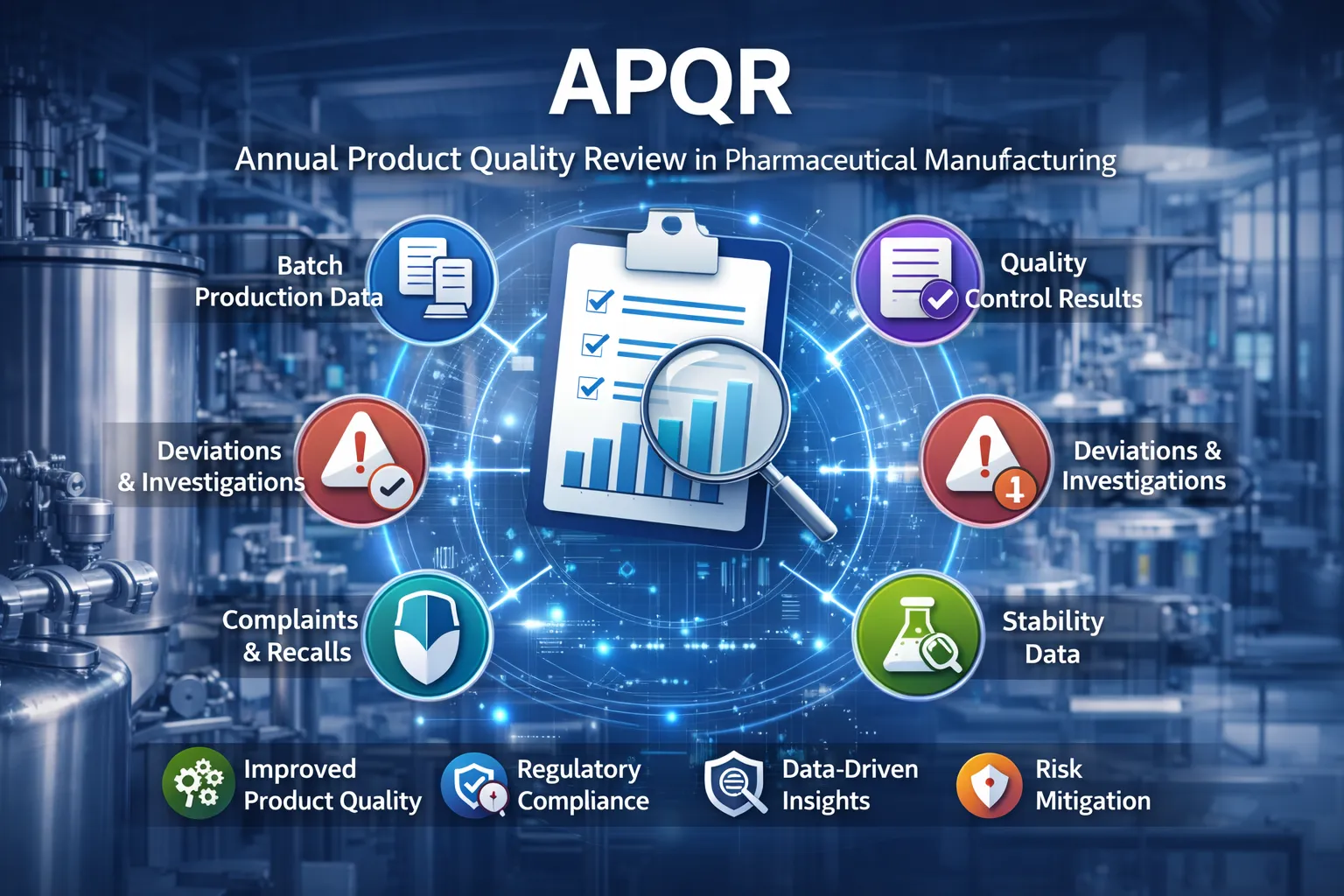
This modernization not only improves efficiency but also enhances the overall effectiveness of the APQR process.
APQR is more than a compliance requirement—it is a powerful tool for driving quality excellence in pharmaceutical manufacturing. By systematically reviewing product data, organizations can ensure consistency, improve processes, and maintain regulatory compliance.
As the industry moves toward digital transformation, adopting advanced APQR solutions will be key to achieving greater efficiency, transparency, and long-term success.




























Sign in to leave a comment.