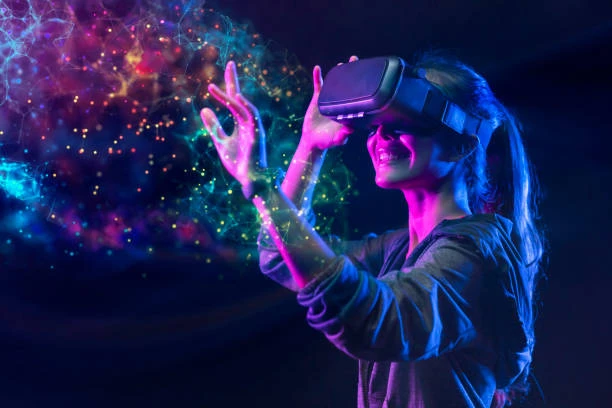

In the ever-evolving digital landscape, Augmented Reality (AR) stands as one of the most transformative technologies of our time. While many associate AR with fun smartphone filters or mobile games like Pokémon GO, the truth is, AR goes far beyond entertainment. It’s changing how we shop, learn, work, and interact with the physical world.
In this comprehensive guide, we’ll explore what augmented reality is, how it works, its real-world applications, benefits, limitations, and what the future holds for this powerful technology.
What is Augmented Reality (AR)?
Augmented Reality is a technology that overlays digital content — such as images, text, or animations — onto the real world in real-time, enhancing the user’s perception of reality.
Unlike Virtual Reality (VR), which immerses users in a fully virtual environment, AR blends virtual elements with the physical world. This allows users to remain grounded in reality while interacting with computer-generated enhancements.
Example:
When using your phone’s camera to view your living room and seeing a digital 3D model of a sofa placed in the space — that’s AR in action.
How Does Augmented Reality Work?
At its core, AR works through a combination of:
Hardware:
- Cameras and sensors (to gather real-world input)
- Displays (smartphones, tablets, AR glasses)
- Processing units (to interpret and respond to user inputs)
2. Software:
- AR engines and platforms (like ARKit for iOS or ARCore for Android)
- SLAM (Simultaneous Localisation and Mapping) algorithms
- 3D content and application logic
When the system detects a physical environment, it maps out the surfaces and anchors digital objects to them, allowing those objects to appear as though they exist within the real-world space. Learn more.
Types of Augmented Reality
There are several types of AR technology:
- Marker-Based AR
Uses visual markers (e.g., QR codes or images) to trigger digital content.
- Markerless AR (Location-Based)
Uses GPS, accelerometers, and compass data to display AR content based on location.
- Projection-Based AR
Project light onto real surfaces to create interactive displays.
- Superimposition-Based AR
Replaces the original view with an augmented view (e.g., replacing a broken car part in a training simulation).
- SLAM-Based AR
Offers real-time mapping and tracking without pre-known markers — used in high-end AR applications like AR headsets by Digilens Argo.
Applications of Augmented Reality Across Industries
1. Retail and E-Commerce
AR is revolutionising shopping by enabling customers to “try before they buy.”
- Virtual Try-On: Eyeglasses, clothes, makeup, and even hairstyles.
- Home Visualisation: See how furniture, paint, or décor would look in your home.
- Interactive Packaging: Brands like Coca-Cola and Pepsi use AR for interactive marketing experiences on product packaging.
2. Healthcare
In medicine, AR is improving diagnosis, training, and treatment.
- Surgical Assistance: Overlaying anatomy visuals on patients for precise procedures.
- Medical Training: Simulated AR surgeries for students.
- Patient Education: AR models help explain diagnoses and treatments visually.
3. Education and Training
AR brings abstract concepts to life, making learning more engaging.
- Interactive Textbooks: Scan a diagram and see it come to life.
- Virtual Labs: Conduct experiments in AR without chemicals.
- Corporate Training: Simulations for safety training, onboarding, or equipment handling.
4. Manufacturing and Maintenance
AR supports real-time guidance and efficiency in industrial settings.
- Step-by-Step Assembly: Workers receive visual overlays for complex tasks.
- Remote Assistance: Experts can guide technicians through repairs in real-time using AR glasses.
- Design and Prototyping: Visualise and iterate designs instantly.
5. Real Estate and Architecture
- Virtual Property Tours: Walk through homes without being there.
- AR Blueprints: Turn 2D plans into interactive 3D structures.
- Interior Design Previews: Try different layouts and finishes before committing.
6. Tourism and Travel
AR enhances travel experiences through rich storytelling and navigation.
- AR City Guides: View historical facts or restaurant reviews by pointing your phone.
- Museum Exhibits: Bring static artefacts to life with interactive content.
- Language Translation: Instantly translate signs using AR apps.
7. Automotive Industry
- Heads-Up Displays (HUDs): Project vital information onto the windshield.
- Maintenance Overlays: See which car part needs attention and how to fix it.
- Driving Assistance: AR shows navigation arrows and hazard alerts in real-time.
8. Gaming and Entertainment
- AR Gaming: Pokémon GO, Harry Potter: Wizards Unite, and more.
- Live Performances: Concerts with digital enhancements for immersive effects.
- Interactive Ads: AR-enhanced posters, billboards, and magazines.
Benefits of Augmented Reality
- Enhanced User Engagement
- AR creates immersive, interactive experiences that capture attention and improve recall.
- Better Decision Making
- Try-before-you-buy and real-time overlays lead to more informed choices.
- Increased Efficiency
- In training and industrial settings, AR boosts productivity by streamlining complex tasks.
- Remote Collaboration
- Experts can offer support from anywhere in the world, saving time and travel costs.
- Innovative Brand Perception
- Early adoption of AR helps brands stand out as forward-thinking and customer-centric.
Challenges and Limitations
Despite its promise, AR comes with challenges:
- Hardware Limitations
- AR glasses and headsets like Realwear Navigator 520 are still expensive and bulky for mainstream use.
- Privacy Concerns
- Constant access to camera and location data can raise ethical and privacy issues.
- Development Costs
- Creating AR experiences requires significant investment in tech and talent.
- User Adoption
- Not all users are comfortable with AR or have access to AR-enabled devices.
- Technical Limitations
- Inaccurate tracking, poor lighting, and device compatibility can affect the experience.
The Future of Augmented Reality
The future of AR is closely tied to advancements in AI, 5G, and wearable technology. Here are some trends to watch:
- AR Glasses Going Mainstream
- Companies like Apple, Meta, and Google are racing to release consumer-friendly AR glasses.
- WebAR
- AR experiences that run directly in the browser — no app needed — are making AR more accessible.
- AR + AI Integration
- Smarter AR experiences will respond more intuitively to users and environments.
- AR in the Metaverse
- AR will play a huge role in merging the digital and physical in immersive hybrid worlds.
- Indoor Navigation
- Precise AR navigation inside malls, airports, and large venues will become standard.
Final Thoughts
Augmented Reality is no longer just a futuristic concept — it’s already reshaping industries, revolutionising customer experiences, and offering unprecedented opportunities for innovation. From healthcare to retail, and from education to entertainment, AR is becoming a vital tool for engagement, efficiency, and decision-making.
As hardware becomes more affordable and software more sophisticated, AR will become an everyday part of our lives — one overlay at a time.
Whether you’re a business leader, developer, or simply curious about new tech, now is the time to explore the incredible potential of Augmented Reality.


























Sign in to leave a comment.