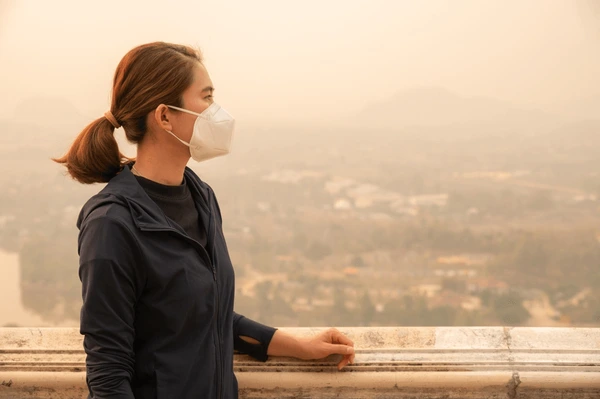

Climate change has rapidly become one of the most pressing global concerns of our time. While most discussions centre around rising temperatures, melting glaciers, and severe weather events, an equally critical but often overlooked aspect is the effect of climate change on indoor air quality (IAQ). As our environment shifts, so does the air we breathe — not just outdoors but inside our homes, schools, and workplaces.
With people spending 90% of their time indoors, the quality of indoor air has never been more important. From bushfire smoke and heatwaves to mould and humidity-related pollutants, climate change is altering the air within our walls. In this blog, we explore why indoor air purification is no longer a luxury, but a necessity in today’s changing world.
How Climate Change Is Impacting Indoor Air Quality
1. Increased Wildfires and Airborne Particulates
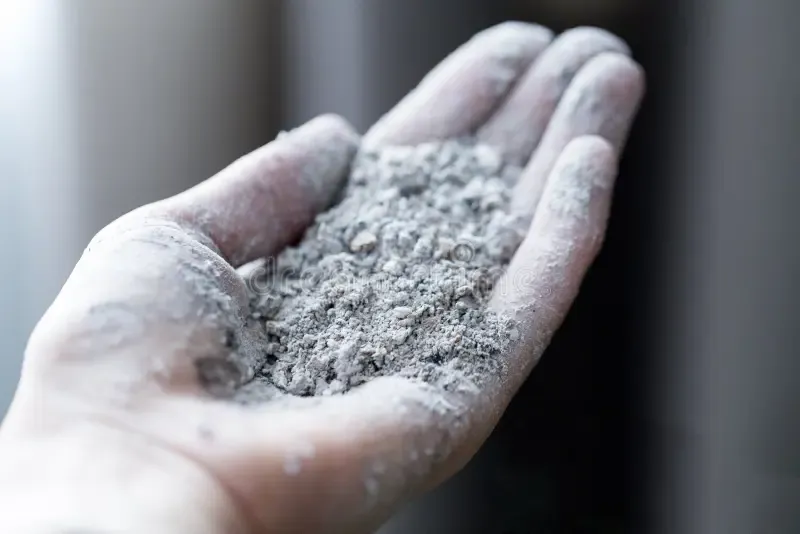
One of the most visible consequences of climate change is the rise in frequency and intensity of wildfires. Bushfires in Australia, forest fires in Canada, and similar events around the world release massive amounts of PM2.5 particles (fine particulate matter), which can easily infiltrate buildings through windows, doors, and HVAC systems.
Even when fires are kilometres away, these particles can travel long distances and impact indoor environments. Once inside, they can linger and contribute to:
- Respiratory issues
- Allergic reactions
- Asthma attacks
- Cardiovascular stress
Without advanced air purification systems, indoor spaces remain vulnerable to this silent, harmful infiltration.
2. Rising Temperatures and Humidity Levels
As global temperatures rise, heatwaves and higher humidity become more common. These conditions can create an ideal breeding ground for:
- Mould and mildew
- Dust mites
- Bacteria and viruses
- VOC (volatile organic compounds) off-gassing from building materials
Excessive humidity also damages furniture, paint, and building integrity. Traditional ventilation may not be enough to combat this, especially in airtight modern buildings designed to conserve energy.
3. Higher Use of HVAC Systems
To cope with extreme heat or cold, we rely more heavily on air conditioners and heaters. While these systems regulate temperature, they often recycle the same indoor air, especially when windows are closed to keep out heat, pollution, or allergens.
Without proper filtration, this leads to:
- Build-up of carbon dioxide (CO2)
- Circulation of dust and pollutants
- Decreased oxygen levels
- Fatigue and lack of concentration
Air purifiers complement HVAC systems by removing particles and refreshing indoor air.
4. Poor Outdoor Air Quality Entering Indoor Spaces
Urban areas are increasingly affected by outdoor air pollution, caused by:
- Industrial emissions
- Traffic fumes
- Construction dust
- Agricultural chemicals
Climate change worsens this by trapping pollutants in stagnant air during heatwaves or reducing natural dispersion with changing wind patterns. When this polluted air seeps indoors, it leads to poor IAQ unless filtered out.
Health Impacts of Poor Indoor Air Quality
The effects of poor indoor air are cumulative and widespread. From children and the elderly to people with chronic health conditions, everyone is affected, although some groups are more vulnerable than others.
Short-Term Symptoms
- Sneezing, coughing, or itchy eyes
- Headaches and dizziness
- Fatigue and brain fog
- Irritated throat and nasal passages
Long-Term Consequences
- Asthma and respiratory disease
- Heart problems
- Worsening of allergies
- Potential links to cognitive decline and certain cancers
- Developmental issues in children
When indoor air is polluted for long periods, these risks multiply. Indoor air purification in hospitals becomes a proactive health investment, not just a comfort feature.
Why Natural Ventilation Isn’t Enough Anymore
In the past, opening windows was considered sufficient to maintain indoor air quality. Today, however, this is no longer effective in many regions due to:
- Outdoor air pollution from traffic, industry, or wildfires
- Allergens like pollen and dust
- Rising temperatures are making open windows undesirable
- Security concerns in urban buildings
- Energy efficiency losses in air-conditioned homes
Mechanical ventilation paired with air purification is now considered the most effective way to maintain clean, healthy indoor air.
The Role of Indoor Air Purifiers
Indoor air purifiers are designed to capture and remove harmful airborne pollutants, including:
- PM2.5 and PM10 particles
- Smoke and VOCs
- Bacteria and viruses
- Dust, pollen, and pet dander
- Mould spores and odours
Types of Air Purification Technologies
- HEPA filters — Capture up to 99.97% of airborne particles
- Activated carbon — Absorbs gases, odours, and VOCs
- UV-C light — Neutralises bacteria and viruses
- Ionisers — Release ions that attach to pollutants, making them easier to trap
- Multi-stage filtration systems — Combine several technologies for optimal results
Who Needs Indoor Air Purification the Most?
1. Homeowners and Families
Families with children, elderly members, or pets can benefit significantly from air purification to reduce allergens and illness.
2. Schools and Childcare Centres
Children are more vulnerable to air pollutants due to developing lungs. Purified indoor air in schools supports healthier learning environments.
3. Office Spaces and Workplaces
Poor air quality in offices can lead to reduced productivity, increased absenteeism, and lower employee satisfaction. Air purifiers for offices are a must in this case.
4. Hospitals and Clinics
Healthcare environments require high-level filtration to protect patients from infections and maintain sterile conditions.
5. Gyms and Fitness Studios
Higher respiration rates during exercise mean more exposure to airborne pollutants. Air purification ensures safer indoor workouts.
The Environmental Connection: Cleaner Indoor Air and a Greener Planet
Improved indoor air quality doesn’t just benefit individuals — it supports broader sustainability goals. Here’s how:
Energy Efficiency
High-quality air purification systems often work alongside HVAC systems to reduce strain, leading to lower energy bills and a smaller carbon footprint.
Reduced Health Burden
By preventing air-related illnesses, we reduce dependency on medications and health services, lowering resource consumption.
Smart Air Management
Modern air purifiers include smart sensors that adjust operation based on real-time air quality — reducing unnecessary power use and waste.
What to Look for in an Air Purifier
As the need for indoor air purification grows, so does the market for purifiers. To choose the right one, consider:
- Room size compatibility
- CADR (Clean Air Delivery Rate)
- True HEPA vs. HEPA-like filters
- Noise levels (important for bedrooms or offices)
- Maintenance needs (filter replacement, cleaning)
- Energy efficiency ratings
- Warranty and certifications
Also, choose models tested for Australian conditions, especially if dealing with bushfire smoke or dry heat.
Future Trends: Indoor Air Quality and Climate Resilience
As climate change continues, indoor air purification will become central to building design and daily life. Some future-facing trends include:
- Smart IAQ monitoring systems integrated with home automation
- Air quality-as-a-service for businesses and schools
- Portable purifiers for personal use at work or during travel
- Government policies encouraging IAQ standards in public spaces
Conclusion: Don’t Wait for a Crisis — Act Now
The effects of climate change on air quality are real, measurable, and already impacting millions. While we can’t control the global climate on our own, we can take steps to improve the quality of the air we breathe every day.
Indoor air purification is no longer an optional luxury — it’s a critical component of climate resilience, personal health, and environmental responsibility.
Whether at home, at work, or in public spaces, clean indoor air is a right, not a privilege. Now is the time to invest in it — because in a world of shifting climates, the air inside may be the safest place we have left.


























Sign in to leave a comment.