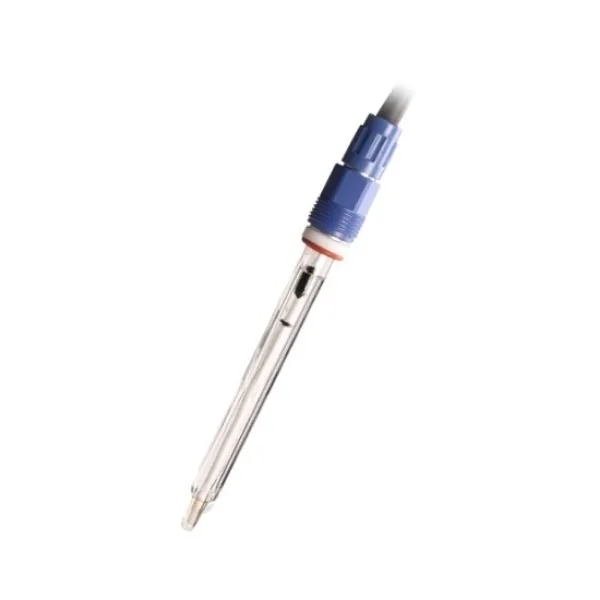

pH sensors/pH electrodes are core tools for measuring the acidity and alkalinity of solutions, widely used in environmental monitoring, industrial control, food processing, biomedicine, and many other fields. Choosing the right type ensures accurate measurements and ease of use. Different types of pH sensors have unique technical characteristics and applicable scenarios. The core of selection is to combine your own measurement needs with the advantages and limitations of various sensors.
Different Types of pH Sensors
Glass electrode pH sensors are the most widely used and technologically mature type. The measurement error of the core structure of a pH glass electrode can be controlled within ±0.01 pH, offering high accuracy and fast response, making it suitable for high-precision scenarios such as laboratory precision analysis and high-purity water detection in the pharmaceutical industry. However, glass electrode pH sensors also have obvious limitations: the glass membrane is fragile, requiring frequent maintenance, and it has poor tolerance to high-alkalinity and high-fluoride environments, limiting its application in scenarios requiring sterility and continuous operation.
Solid-state electrode pH sensors replace the traditional glass membrane with a polymer membrane or a metal oxide sensitive layer. The most prominent advantages of solid-state electrode pH sensors are their high mechanical strength, durability, and lack of internal filling, significantly reducing maintenance complexity and offering stronger resistance to contamination. Solid-state electrode pH sensors based on IrO₂or RuO₂ oxides can be used for extended periods in wastewater treatment applications; however, their measurement accuracy is slightly lower than glass electrode types, making them less suitable for high-precision laboratory settings.
Fiber optic pH sensors are an emerging technology. They achieve non-contact measurement by utilizing the optical properties of fluorescent dyes at different pH values, completely unaffected by electrochemical interference. This provides irreplaceable advantages in special environments such as those with strong electromagnetic interference, high pressure, or flammable and explosive conditions. However, fiber optic pH sensors are more expensive, and their measurement accuracy is relatively lower due to limitations in light source stability and signal demodulation algorithms. They are generally only used in special scenarios where ordinary sensors cannot meet the requirements.
Other Selection Factors
Besides the technology type, pH electrode selection also requires a comprehensive assessment of the measurement medium, environmental conditions, and actual needs. For example, if the measurement medium contains hydrofluoric acid, a pH sensor with an HF-resistant solid-state electrode or an antimony electrode should be selected. For applications requiring long-term online monitoring and where maintenance is inconvenient, solid-state electrode pH sensors are the preferred choice. There is no one-size-fits-all pH sensor; the appropriate type can be selected based on the accuracy requirements, environmental tolerance, and maintenance costs of the specific measurement scenario, ensuring accurate and reliable measurement data.





















Sign in to leave a comment.