

AR15 pistol parts can be really confusing for people who are buying them for the time. There is a lot of information available online. Some of it is old or just not correct. Many new owners start building or upgrading their pistol without understanding how all the different parts work together. This can lead to wasting money having experiences at the shooting range and sometimes the pistol does not work the way it should.
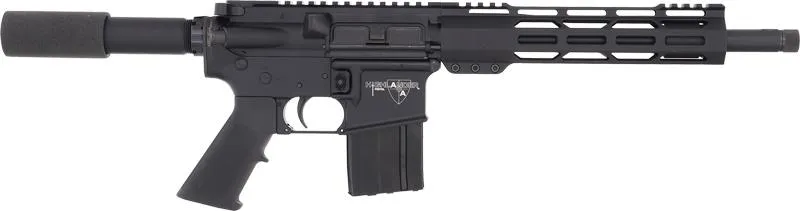
This post is not going to tell you the basics of what parts go where. Instead we are going to look at the mistakes people make when choosing AR15 pistol parts why these mistakes happen and how to avoid them. Whether you are building your pistol or upgrading one you already have understanding these common mistakes will save you time, money and a lot of headaches.
Why Do People Struggle With Compatibility?
The biggest problem new builders face is thinking that all parts will fit together perfectly. This is not true. Different companies make their parts differently and small differences can cause big problems. A trigger group that works well in one receiver might feel rough or unreliable in another. A handguard that installs easily on one receiver might not fit right on a different setup.
Before you buy any parts it helps to research the components already on your AR15 pistol. Look up notes on compatibility read reviews from people who have used the parts together and do not assume that something will fit just because it is marketed as "standard". Taking a few minutes to check compatibility can save you hours of trouble later.
What Causes Reliability Problems After an Upgrade?
Many owners replace a part go to the shooting range and suddenly have problems that were not there before. This is usually not luck. It is always related to how the new part works with the rest of the system.
For example changing the buffer setup without thinking about the rest of the operating system can affect how the pistol cycles. Replacing a gas system component without checking the dwell time can lead to stroking or over-gassing. These problems are not random. They happen because the AR15 pistol is a system and changing one part affects how everything else works.
The solution is simple: after any upgrade do a function check before going to the shooting range. Cycle the action check that it works smoothly and only then do live fire testing in small batches.
Is It Better to Build a Pistol or Buy One Complete?
This is one of the common questions new owners ask and the honest answer is that it depends on your goals. Building a pistol lets you learn how all the parts fit together and gives you control over the final result. However it also means you are responsible for making sure all the parts are compatible which can be a learning curve if you are new to firearms.
Buying a pistol takes away a lot of the guesswork. The manufacturer has already tested the combination of parts so you know it will work as intended out of the box. Many people choose to buy a pistol first learn how it works and then start upgrading individual parts once they understand what they want to change.
There is no answer here but knowing how comfortable you are with troubleshooting will help you decide which path makes more sense for you.
What Should First-Time Buyers Check Before Purchasing?
Before you buy any parts take a moment to think about a basics. First make sure the part is actually meant for a pistol-length platform and not a rifle configuration. Second check if the part requires any tools or knowledge to install correctly or if it is designed for easy installation at home.
It also helps to read the installation instructions before you buy not after. This gives you an idea of whether you are comfortable doing the work yourself or if you will want a professional to handle it. Skipping this step is one of the common reasons people end up with a half-finished project.
How Should Parts Be Inspected or Replaced?
Even well-made parts wear down with regular use. Owners who shoot frequently should get in the habit of inspecting their AR15 pistol after every hundred rounds. Look for signs of wear check that springs are still providing tension and make sure nothing has come loose from vibration.
Keeping a log of round counts and any issues you notice can be very helpful. Over time this record will tell you which parts tend to wear under your specific shooting habits so you can plan replacements before something fails unexpectedly.
Where Should You Turn for Reliable Information?
One of the things a new owner can do is connect with knowledgeable people rather than relying only on random online posts. Local gun clubs, friends and staff at dedicated firearms retailers can often answer questions faster and more accurately than a generic search result. People who work with these systems daily tend to spot issues that're not obvious from a written guide.
It is also worth joining communities built around your specific platform. Owners who have already gone through the trial and error process are usually happy to share what worked for them and what did not. This kind of shared knowledge can shortcut a lot of the frustration that comes from figuring everything alone.
What Mistakes Should You Avoid With Documentation and Records?
Many owners do not keep any kind of paperwork or notes related to their build. This often causes problems later. If you ever need to sell a part troubleshoot an issue. Remember what you installed and when having a basic record makes life much easier. Take photos during assembly save receipts and note down torque specs or installation steps you followed.
This habit becomes especially useful if something goes months later. Of trying to remember details from memory you can look back at your notes and pinpoint exactly what might be causing the issue.
Summary
Choosing the AR15 pistol parts comes down to understanding how components work together as a complete system. Compatibility issues, reliability problems after upgrades and the build-versus-buy decision are all things new owners run into regularly. Taking time to research fit, testing, after every change and keeping track of wear over time will keep your AR15 pistol running the way it should.
If you're ready to start your next build or looking for trustworthy components backed by real firearms knowledge, Red Cliffs Tactical is a great place to explore your options and get expert guidance along the way.

































Sign in to leave a comment.