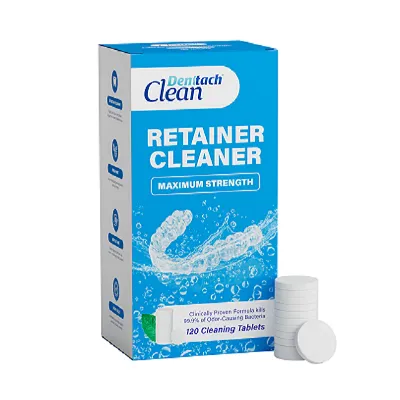

Maintaining clean aligners is essential for both oral hygiene and the success of orthodontic treatment. Many users often wonder whether traditional methods like brushing are enough or if specialized products offer better results. The growing use of aligner cleaner tablets reflects a shift toward more effective and convenient cleaning solutions that go beyond basic methods.
Traditional Cleaning Methods
Brushing aligners with a toothbrush and toothpaste is a common approach. While it can remove some visible debris, it may not always provide a thorough clean. Toothpaste is often designed for natural teeth and may contain abrasive particles that can scratch the surface of aligners. Over time, these scratches can make aligners appear cloudy and more prone to bacterial buildup.
Rinsing aligners with water is another basic method, but it is usually not sufficient on its own. Water can help remove loose particles, but it does not effectively eliminate bacteria or deeper buildup. This is why many users look for more reliable alternatives.
The Effectiveness of Cleaning Tablets
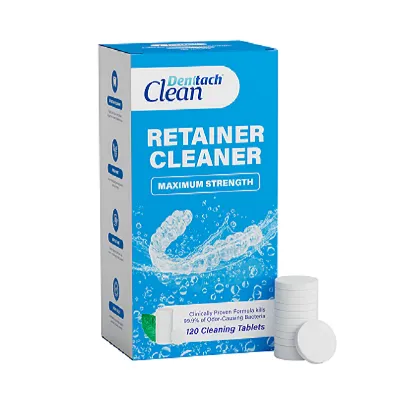
Using cleaning tablets for aligners offers a more advanced approach to hygiene. These tablets are designed specifically for dental appliances and work by dissolving in water to create a cleaning solution. This solution penetrates areas that are difficult to reach with a brush, ensuring a more complete clean.
The active ingredients in cleaning tablets help break down plaque and kill bacteria, which are the main causes of odor and discoloration. This makes them a more effective option for maintaining both the appearance and hygiene of aligners.

Comparing Results
When comparing brushing to cleaning tablets, the difference often lies in consistency and depth of cleaning. Brushing can be useful for removing surface debris, but it may not reach all areas of the aligners. Cleaning tablets, on the other hand, provide an even clean across the entire surface.
Another advantage of tablets is that they are designed to be gentle on the material. This reduces the risk of damage and helps maintain the clarity of the aligners. Over time, this can lead to better overall performance and appearance.
Convenience and Ease of Use
Cleaning tablets are also valued for their simplicity. The process usually involves dissolving a tablet in water and soaking the aligners for a short period. This requires minimal effort and can easily fit into a daily routine.
In contrast, brushing requires more time and attention to detail. It may also be less consistent, as some areas can be missed during the process. For many users, the convenience of tablets makes them a preferred option.
Finding the Right Balance
While cleaning tablets offer many advantages, combining them with basic practices can provide the best results. Rinsing aligners regularly and maintaining good oral hygiene habits can enhance the effectiveness of any cleaning routine. This balanced approach ensures that aligners remain both clean and comfortable.
Understanding the strengths of each method can help users make informed decisions about their care routine. Choosing the right combination of techniques can lead to better long-term results.
Conclusion
Cleaning aligners properly is essential for maintaining hygiene, comfort, and appearance. While traditional methods like brushing can help with surface cleaning, they may not provide the depth and consistency needed for optimal results. Cleaning tablets offer a more effective and convenient solution that targets bacteria and buildup without damaging the aligners. For those seeking a reliable way to care for their aligners, visit denttachoral.com and explore solutions designed to support better oral hygiene every day.
Blog Source Url:-
https://denttachoral.blogspot.com/2026/05/are-cleaning-tablets-for-aligners.html






























Sign in to leave a comment.