

Crypto is built on self-custody, but self-custody comes with one big question: is your wallet actually safe? Hardware wallets are widely considered the most secure way to store digital assets because they keep private keys offline. But “offline” doesn’t automatically mean “hacks-proof.”
The truth is more practical (and more useful): hardware wallets dramatically reduce risk, but they’re only as secure as the device, the setup, and the decisions you make around it. Let’s break down what hardware wallets protect you from, where the real risks live, and how to choose a wallet that’s genuinely built for long-term security—like the Cryptnox hardware wallet approach.
What “Hacks-Proof” Really Means (And Why It’s a Trap)
When people say “hacks-proof,” they usually imagine a device that can never be compromised. In cybersecurity, that’s not realistic. Security is about reducing attack surfaces and preventing high-probability failures.
A great hardware wallet aims to:
- Keep private keys off the internet
- Require physical confirmation for transactions
- Make extraction of keys extremely difficult, even with device access
- Reduce reliance on browser extensions and risky software
So are hardware wallets truly hacks-proof?
They’re not magic. But they’re the best mainstream defense against the most common crypto theft vectors.
How Hardware Wallets Actually Protect Your Crypto
A hardware wallet stores your private keys in a secure environment and signs transactions inside the device. The key idea: your private key should never touch an internet-connected computer.
Here’s what changes compared to hot wallets:
- Your PC or phone can be infected with malware, but the malware still can’t “see” your private keys.
- Transactions typically require physical approval (button press, touch, or card confirmation).
- Even if a hacker gains remote access to your computer, they usually still need your device to move funds.
This is why a hardware wallet is a major upgrade for anyone holding meaningful value in crypto.
What Hardware Wallets Protect You From
1) Malware and Remote Hacks
Most crypto theft happens through:
- infected devices
- fake wallet apps
- browser extension attacks
- clipboard hijackers
- keyloggers
A hardware wallet blocks the “steal the keys from your computer” strategy because the keys aren’t on your computer.
2) Exchange Failures
If your crypto sits on an exchange, you’re trusting a third party. If the exchange freezes withdrawals, gets hacked, or collapses—your funds can be stuck. Hardware wallets restore direct ownership.
3) Phishing That Targets Your Wallet App
Phishing sites can trick users into signing transactions. With a hardware wallet, you typically get transaction details on the device. That doesn’t eliminate phishing, but it reduces blind signing risk—especially if your wallet is designed for clear, verifiable confirmation.
What Hardware Wallets Do Not Automatically Protect You From
This is where most people get surprised.
1) Seed Phrase Theft (The #1 Real Risk)
Your seed phrase (recovery phrase) is the master key. If someone gets it, they can restore your wallet anywhere—no device needed.
How seed phrases get stolen:
- saved in cloud notes, email drafts, screenshots
- typed into fake “support” forms
- stored in plain text on a laptop
- photographed or shared “just in case”
- seen by someone nearby (yes, it happens)
Hardware wallets don’t protect seed phrases. You do.
2) Social Engineering
Scammers don’t always hack devices—they hack people.
Common scripts:
- “We’re wallet support. Verify your seed phrase.”
- “You’ve been flagged. Enter your recovery phrase to unlock.”
- “Airdrop claim. Connect wallet and approve.”
No legitimate wallet company will ever ask for your seed phrase. Ever.
3) Supply Chain Tampering (Buying from the Wrong Source)
If you buy a wallet from an untrusted seller, there’s a risk it was:
- modified
- resealed
- paired with “pre-generated” seed phrases
This is why purchasing from official sources matters and why robust device security design matters.
4) Blind Signing and User Error
Even with a hardware wallet, you can approve a malicious transaction if you:
- don’t verify the address and amount
- approve unclear contract interactions
- trust random DApps
The wallet can reduce risk—but you still need good habits and good UX.
The Security Checklist: How to Make a Hardware Wallet Actually Safe
If you want the “closest thing to hacks-proof,” follow these rules:
- Never store your seed phrase digitally
No screenshots. No cloud. No email. No Google Drive. - Use a strong PIN + secure backup strategy
Your PIN protects the device. Your seed phrase protects recovery. - Verify every transaction on the device
Amount + address + network. Don’t rush. - Avoid random DApps and “urgent” claims
Most “free money” links are traps. - Buy from trusted sources
Avoid marketplaces and unknown resellers. - Consider passphrase protection if you’re a high-value holder
This adds another layer beyond the seed phrase.
What Makes One Hardware Wallet Safer Than Another?
All hardware wallets are not equal. Security depends on:
- how keys are stored (secure element / certified security hardware)
- how transactions are confirmed
- tamper resistance
- how easy it is to audit transaction details
- reliability and form factor for daily use
This is where Cryptnox becomes a strong option—especially for users who want security that feels practical, not complicated.
Why Cryptnox Is a Smart Choice for Secure Self-Custody
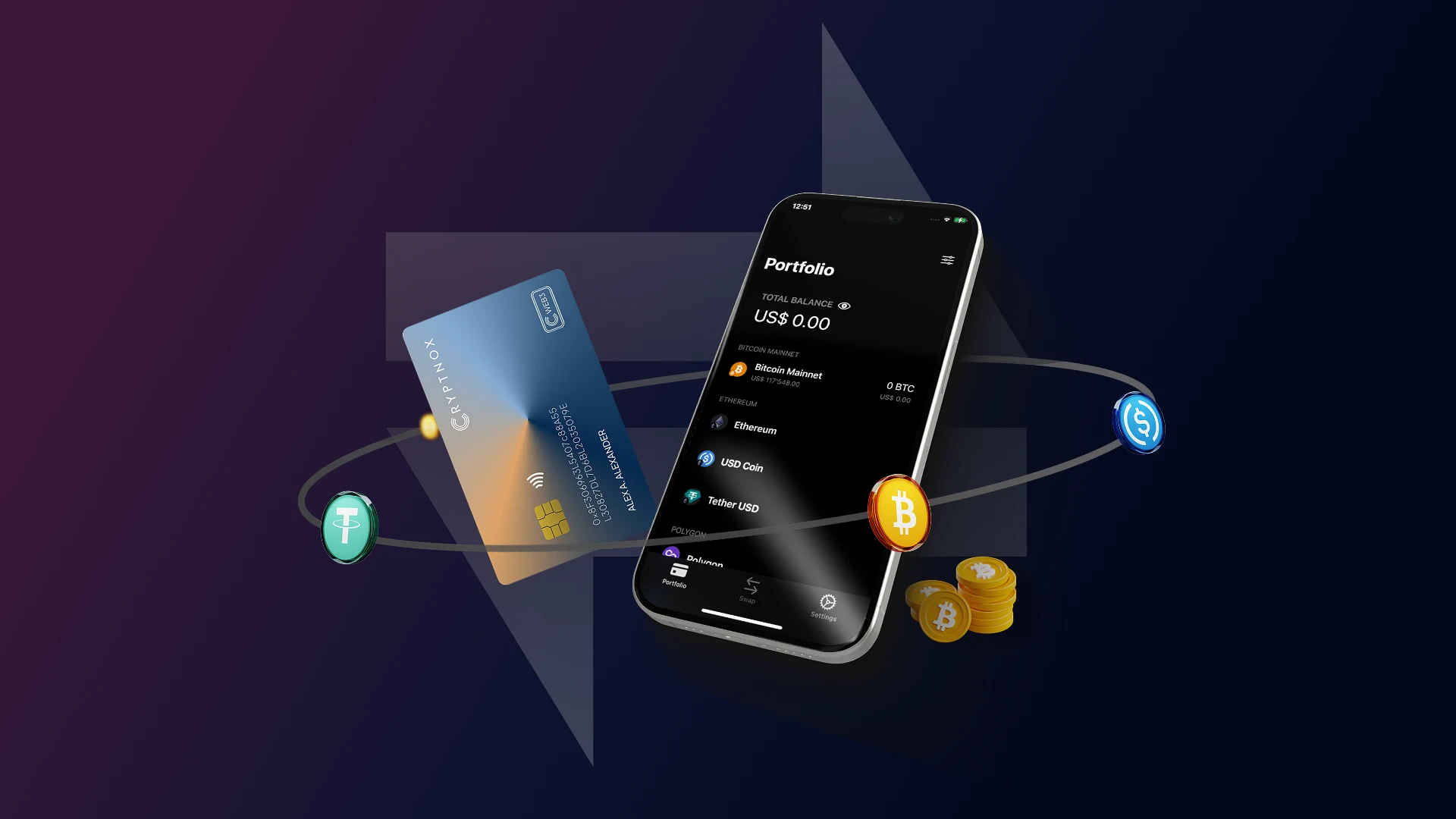
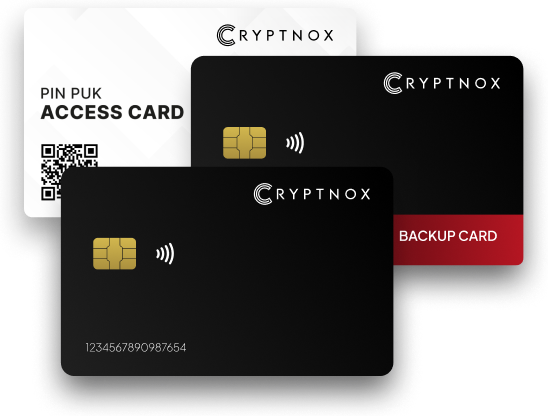
Cryptnox hardware wallets are designed around a security-first philosophy with a form factor many users find easier to protect and carry: a smart card-style hardware wallet.
Here’s why that matters:
1) Offline Key Security in a Minimal Attack Surface
The more complex a device, the more places security can fail. A smart-card approach can offer a tighter footprint—less exposure, less clutter, more focused security behavior.
2) A Familiar, Durable Form Factor
A card-style wallet is easy to keep on you without feeling like a gadget you’ll forget in a drawer. Security isn’t only about cryptography—it’s also about whether you’ll consistently use it.
3) Designed for Both Individuals and Serious Use Cases
Cryptnox positions itself as enterprise-grade security while remaining usable for everyday holders. That’s important if you’re not just storing a small amount—you’re protecting meaningful value.
If your goal is to upgrade to true cold storage and reduce risk without turning your life into a security ceremony, Cryptnox is worth considering.
So… Are Hardware Wallets Truly Hacks-Proof?
They are not 100% hacks-proof in a literal sense.
But they are the best defense available for most people because they remove the biggest problem in crypto security: internet-exposed private keys.
A better way to say it is:
- Hardware wallets are remote-hack resistant
- They are seed-phrase dependent
- They are user-confirmation based
- Their real-world safety depends on your setup + your habits
If you combine a high-quality hardware wallet with good operational security, your risk drops massively.
Final Take: The Safest Setup Looks Like This
If you want strong protection with realistic effort:
- Use a trusted hardware wallet like Cryptnox
- Write your recovery phrase on paper or metal backup
- Never type the seed phrase into any website or app
- Confirm every transaction carefully
- Avoid high-risk links, DApps, and “support” scammers
Crypto security isn’t about being fearless. It’s about being prepared. Hardware wallets won’t make you invincible—but they can make you dramatically harder to steal from, and that’s what real security looks like.

























Sign in to leave a comment.