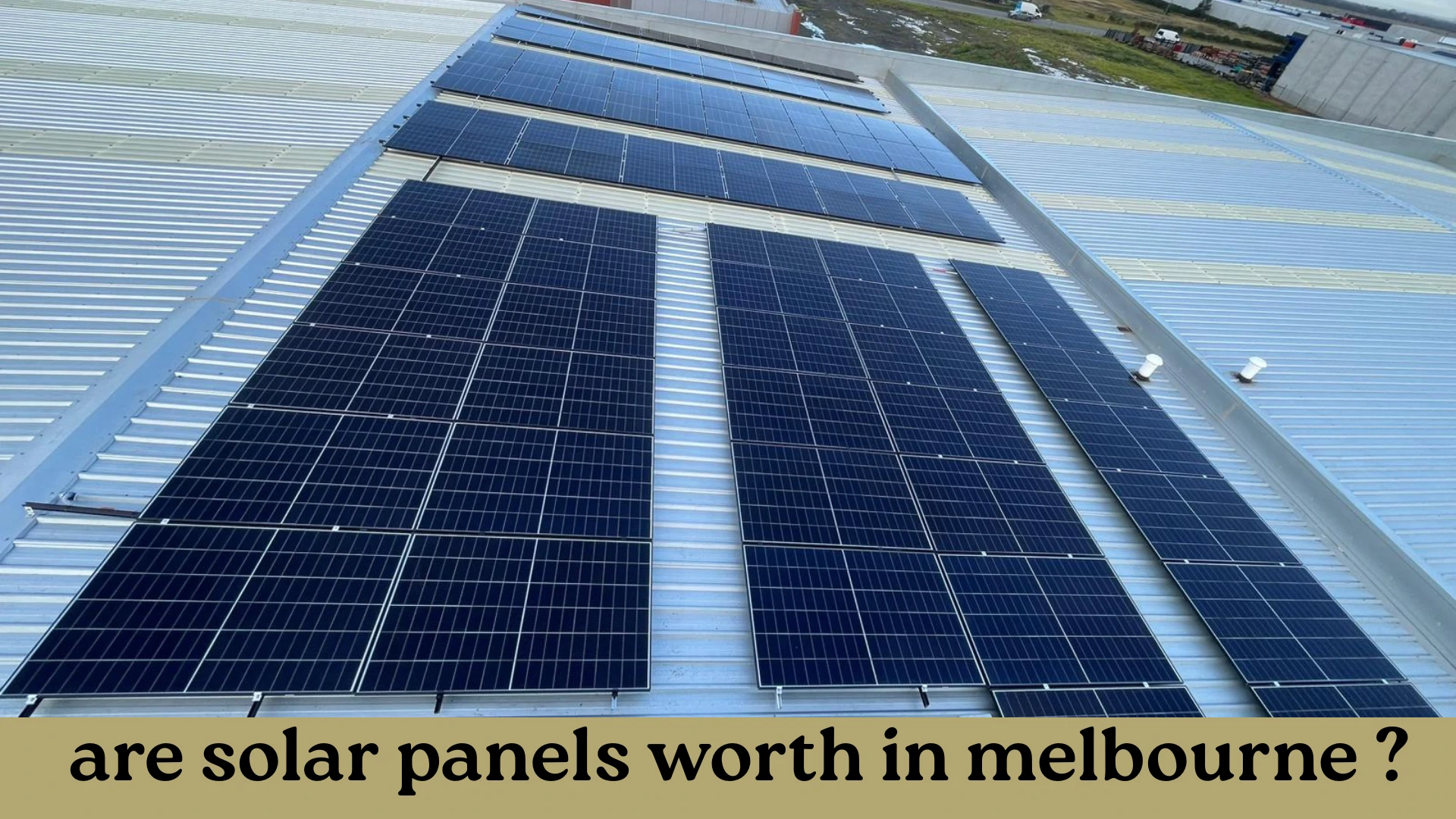
Melbourne homeowners are increasingly turning to renewable energy to lower electricity expenses and promote sustainability. With electricity prices on the rise and environmental awareness growing, solar panels have become a preferred choice for many households. The question many homeowners ask is, “are solar panels worth in Melbourne?” Evaluating the financial, environmental, and practical aspects of solar installation can help answer this question and guide an informed decision.
Financial Benefits of Solar Panels
Installing solar panels in Melbourne offers significant financial advantages. With Victorian electricity prices steadily climbing, relying solely on grid electricity can be expensive. Solar panels allow households to produce their own electricity, reducing monthly energy bills.
The Australian Government supports solar adoption through incentives like the Small-scale Technology Certificates (STCs), which reduce the initial installation cost. Additionally, certain Victorian programs offer extra rebates or interest-free loans, making solar energy more affordable. A standard 6.6 kW solar system can help households save hundreds of dollars each year, with a payback period typically ranging from three to seven years, depending on energy consumption patterns.
Environmental Advantages
Solar panels provide considerable environmental benefits, making them appealing to environmentally conscious Melbourne residents. By reducing dependence on fossil-fuel-generated electricity, solar energy helps lower household carbon emissions. Installing solar panels not only contributes to Australia’s renewable energy targets but also promotes cleaner air and a healthier environment.
Solar Performance in Melbourne’s Climate
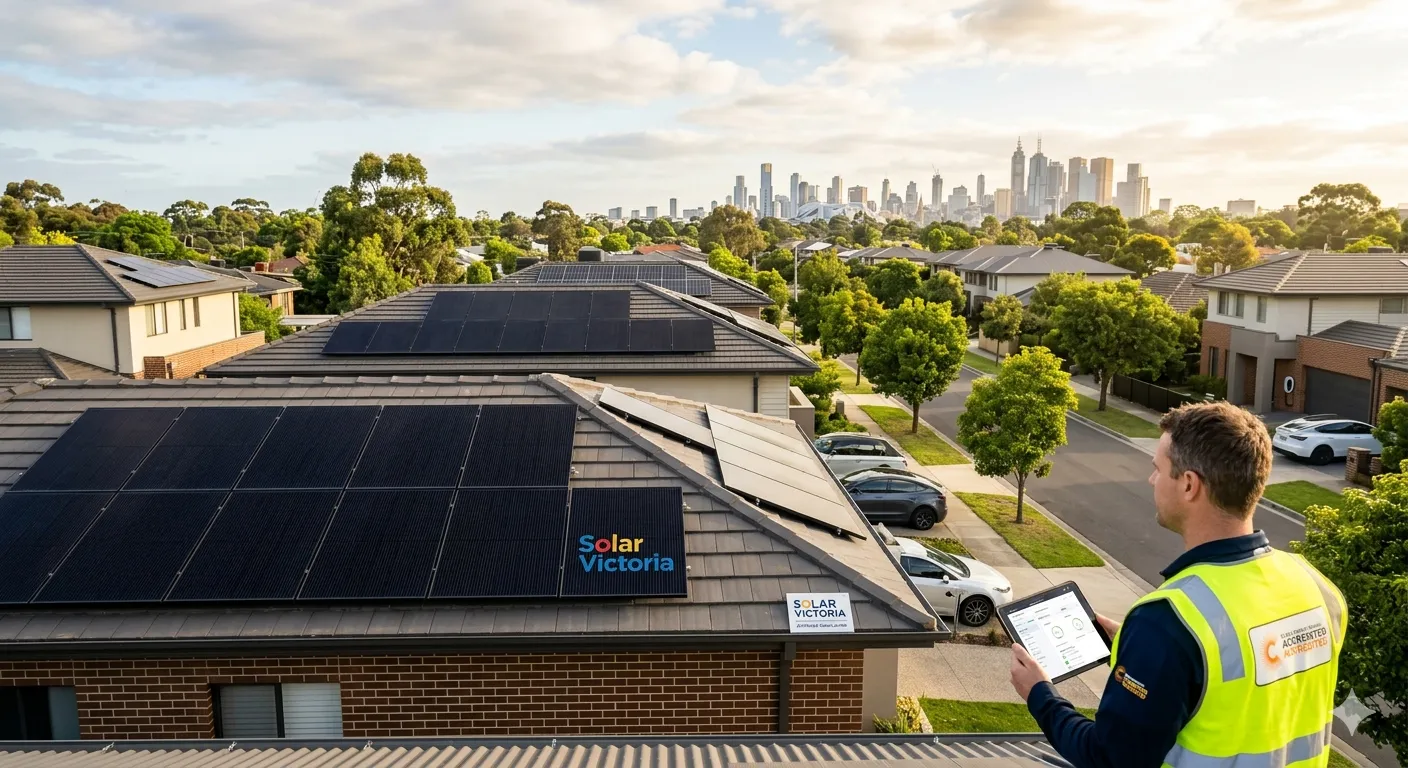
Although Melbourne experiences a mix of sunny, cloudy, and rainy weather, modern solar panels are engineered to work efficiently in variable conditions. High-quality solar systems installed according to Australian standards generate consistent electricity throughout the year. Proper roof orientation, tilt, and shading assessments conducted by CEC-accredited installers ensure maximum efficiency.
Selecting the Right Solar System
Choosing the appropriate solar system size is key to achieving optimal energy savings and efficiency. Factors such as household electricity usage, roof area, orientation, and shading affect system performance. Professional installers accredited by the Clean Energy Council (CEC) adhere to Australian installation standards to ensure safety, compliance, and maximum energy output.
Installation and Ongoing Maintenance
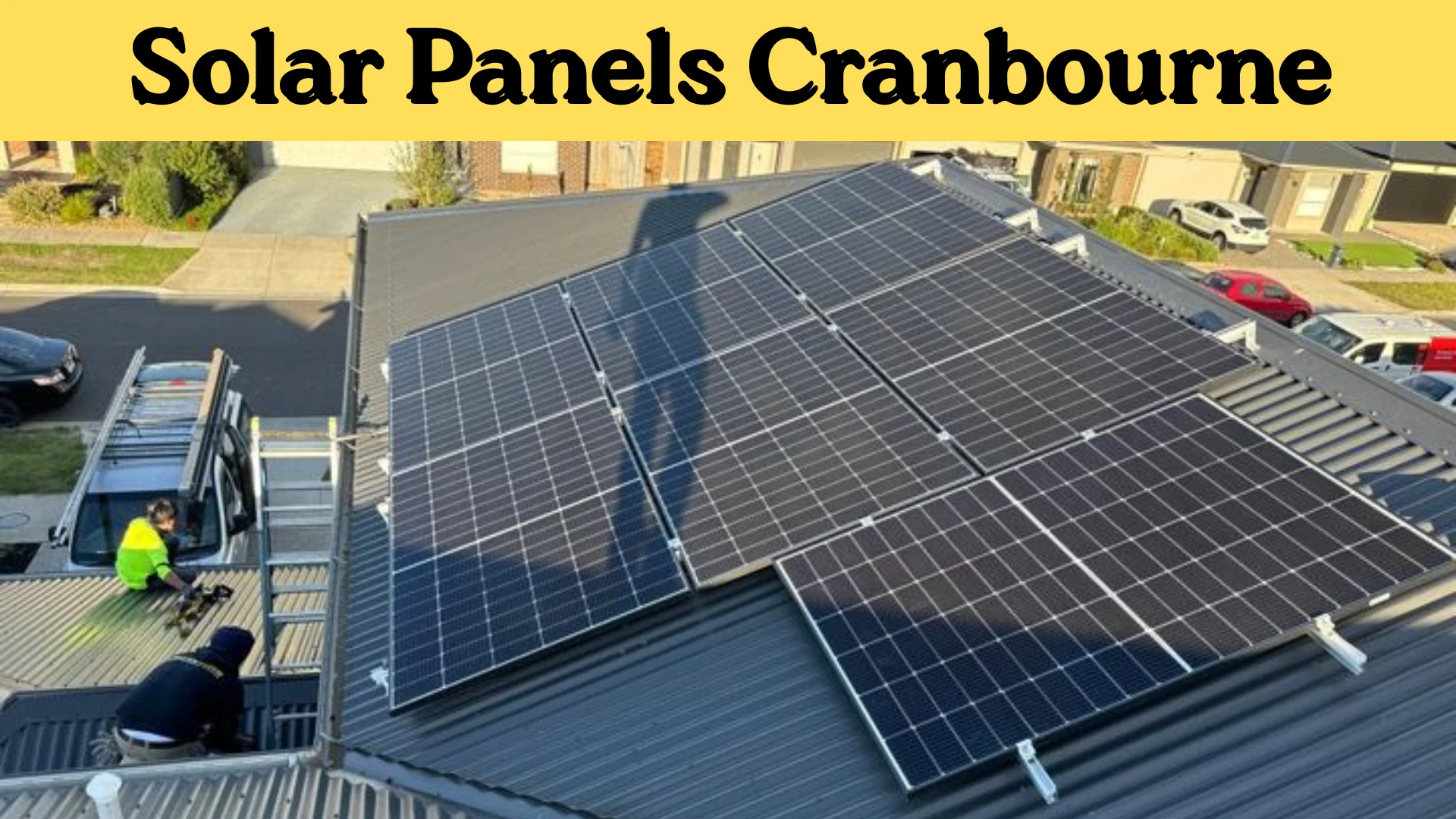
Correct installation is crucial for the longevity and effectiveness of solar panels. CEC-accredited professionals follow Australian electrical and building regulations to ensure safety and reliability. Once installed, solar panels are low-maintenance, generally requiring only periodic cleaning and inspections. High-quality systems can last 25–30 years, delivering long-term energy security and financial returns.
Return on Investment
The return on investment (ROI) from solar panels in Melbourne is significant. By reducing grid electricity reliance and selling excess energy back through net metering, homeowners can achieve ongoing savings and even earn additional income. Over the lifetime of a solar system, cumulative savings can reach tens of thousands of dollars, making solar a highly worthwhile investment for many households.
Government Support and Incentives
Government programs play a vital role in making solar installations affordable. The federal STC program allows households to claim credits that lower upfront costs, while state-specific incentives, rebates, or interest-free loans further enhance affordability. Keeping up to date with these programs ensures homeowners get the most financial benefit from solar energy.
Addressing Common Misconceptions
There are some myths about solar energy, such as panels being ineffective on cloudy days or needing frequent maintenance. In reality, solar panels continue to generate electricity even under diffuse sunlight and are built for durability. Minimal maintenance ensures long-term efficiency, making solar systems a reliable investment.
Frequently Asked Questions
Q1: How much can I save with solar panels in Melbourne?
A1: Savings vary depending on system size, energy usage, and sunlight exposure. On average, Melbourne households save hundreds of dollars annually, with a payback period typically between three and seven years.
Q2: Do solar panels perform well in Melbourne’s climate?
A2: Yes. Modern solar panels are designed to operate efficiently even on cloudy days, ensuring reliable electricity generation throughout the year.
Q3: How long do solar panels last?
A3: Most high-quality panels last between 25–30 years, with minimal maintenance required to maintain optimal performance.
Q4: Can excess electricity be sold back to the grid?
A4: Yes. Melbourne homeowners can use net metering programs to sell surplus electricity to energy providers, generating extra income.
Q5: Are government rebates available for solar installation?
A5: Yes. Federal STCs and state-specific incentives help reduce upfront costs and make solar energy more affordable for homeowners.
Conclusion
Homeowners in Melbourne looking to adopt renewable energy must consider both financial and environmental factors. Combining long-term savings, government incentives, environmental benefits, and Australian-standard installations, solar panels present a sustainable and financially sensible solution. For those wondering, “are solar panels worth in Melbourne?”, the answer is increasingly positive, particularly when systems are installed by accredited professionals and tailored to household energy requirements.






















Sign in to leave a comment.