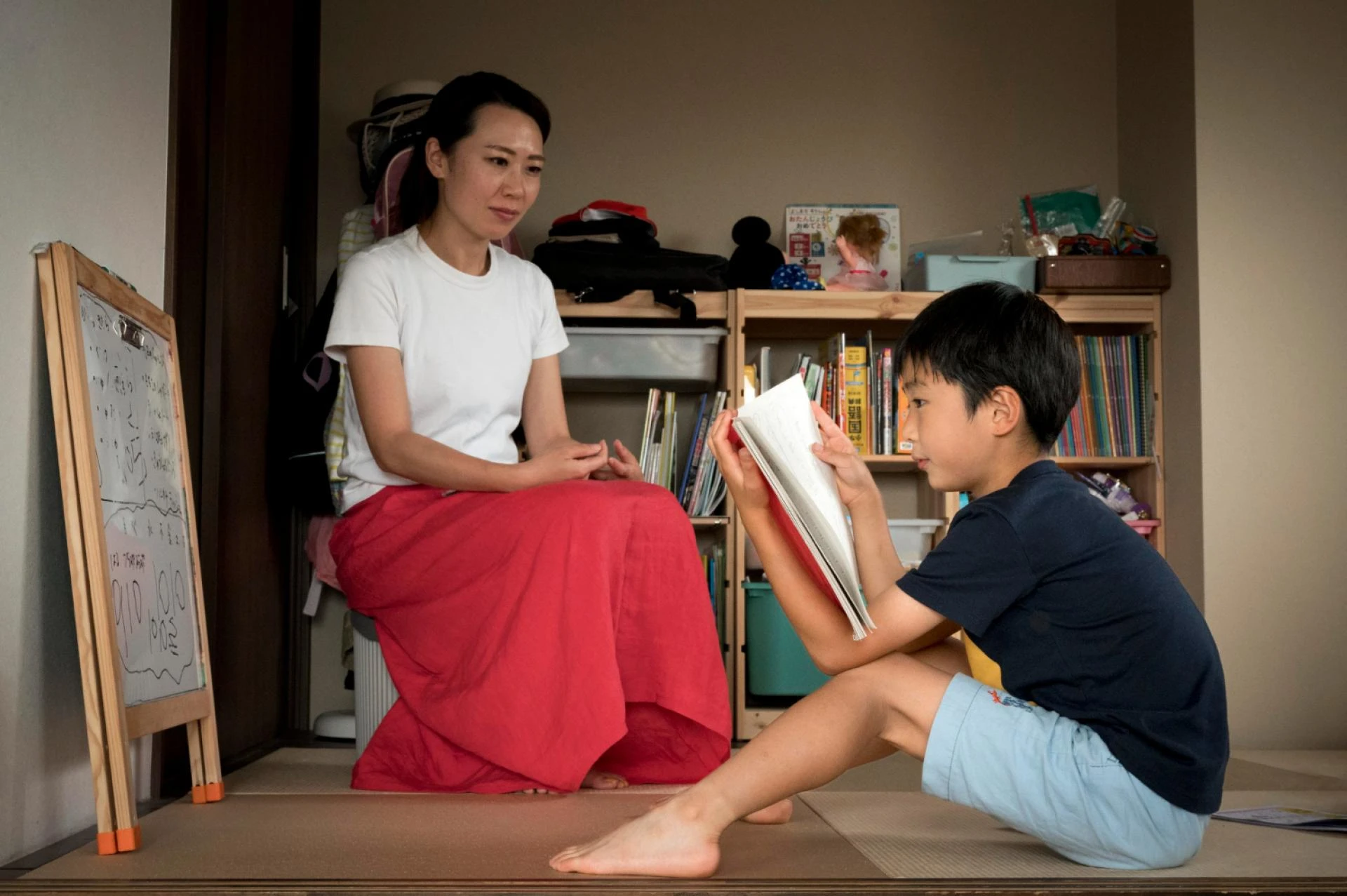

If your child has ever aced a Chinese vocab test at school, only to freeze when their elderly aunt speaks to them in Mandarin, you’re not imagining the disconnect. In Singapore, we pride ourselves on bilingual education — but somewhere between the weekly spelling lists and practice papers, we forgot the whole point of learning a language: to use it.
Too often, our kids can fill in the blanks but can’t hold a conversation. They memorise entire model compositions but can’t tell you how their day went in Chinese. And as parents, we’re left wondering: are we setting them up to succeed on paper but struggle in life?
That’s the tension at the heart of Chinese learning today — performance vs fluency. But it doesn’t have to be an either-or situation. With the right approach, like the one used in Easy Steps to Chinese, kids can grow in both confidence and competence — not just for exams, but for the real world.
The Reality: Exams Rule Everything Around Us
Let’s not pretend tests don’t matter. In Singapore’s system, exams are a rite of passage — and for Chinese, they can feel particularly unforgiving. Parents stress. Kids stress. Even teachers sometimes narrow their curriculum to what’s testable, not what’s speakable.
So yes, your child needs to understand cloze passages and write a decent composition. But if exam prep is the only type of learning they’re getting, it’s like teaching someone to swim by giving them a PowerPoint about water.
Real-life Mandarin fluency doesn’t come from memorising the same five sentence structures. It comes from using the language in context — talking, listening, expressing opinions, reacting naturally. That’s what sticks.
The Problem With “Model Answer” Learning
One mum I spoke to shared how her daughter could recite entire paragraphs from her Chinese assessment book, but when asked to describe her weekend in Mandarin, she had no words. Why? Because the language wasn’t internalised. It wasn’t hers. It was someone else’s — lifted from a page, polished, perfected, and completely unusable in a real conversation.
This is the side effect of an exam-only mindset. It creates “template thinkers.” Kids who fear getting it wrong, so they default to memorised phrases — not because they understand them, but because they’ve been told they’ll score marks.
That’s where Easy Steps to Chinese offers something radically different.
Where Easy Steps to Chinese Gets It Right
Easy Steps to Chinese is a structured, MOE-aligned curriculum, yes — but it doesn’t stop at the test. It blends textbook precision with real-world relevance, giving kids the tools to perform in exams and participate in real conversations.
Each module builds around topics that actually matter to kids: family, food, school, hobbies. Vocabulary is introduced through relatable dialogue and story, not abstract drilling. Grammar is explained gently, with examples kids can see themselves in. And there’s always space for students to respond — not just repeat.
So instead of just copying a sentence like “我最喜欢踢足球,” your child will be asked: What sport do you like? Why? How often? With whom? That shift from passive to active makes a huge difference in retention — and confidence.
What Does “Balanced” Chinese Learning Look Like?
Imagine your child preparing for the YCT or HSK — but doing so through games, conversation prompts, and group storytelling. Imagine a class where your child is asked to describe a cartoon plot in Mandarin instead of copying a passage from a workbook. Imagine hearing your child use a new word in context at dinner — without you even asking.
That’s what balanced Chinese learning looks like. And Easy Steps to Chinese was designed for exactly that.
Yes, the program teaches sentence structure, question forms, and key vocabulary. But it does so in a way that mirrors how language is actually used. That’s what makes it stick beyond the classroom — and beyond the exam hall.
Final Thought: Fluency Is the Endgame
We all want our kids to do well in school. But we also want them to be able to talk to their grandparents. To survive (and maybe even thrive) in a Mandarin-speaking work environment. To travel. To build friendships across cultures. To feel proud, not panicked, when they hear someone speak Chinese to them.
That’s not going to happen through memorisation alone.
It takes a curriculum that values understanding over regurgitation, speaking over silence, and expression over perfection. It takes something like Easy Steps to Chinese — a program that recognises exams aren’t the destination, just one checkpoint on a much bigger journey.
Because at the end of the day, your child doesn’t just need to pass Chinese. They need to live it. And that’s a lesson worth teaching.



























Sign in to leave a comment.