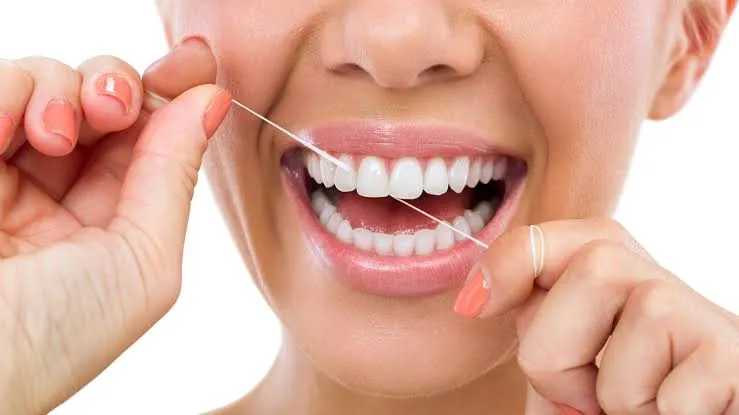

Raise your hand if you floss every day. Now raise your hand if you're actually doing it correctly.
Here's the uncomfortable truth: most people floss, but almost nobody does it the right way. And incorrect flossing technique doesn't just fail to protect your teeth — it can actually damage your gums, causing bleeding, irritation, and even recession over time.
If you've ever wondered why your gums still bleed despite flossing regularly, or whether you're just going through the motions without any real benefit, this guide is for you. Let's break down proper flossing technique, step by step, so you can protect your smile the right way.
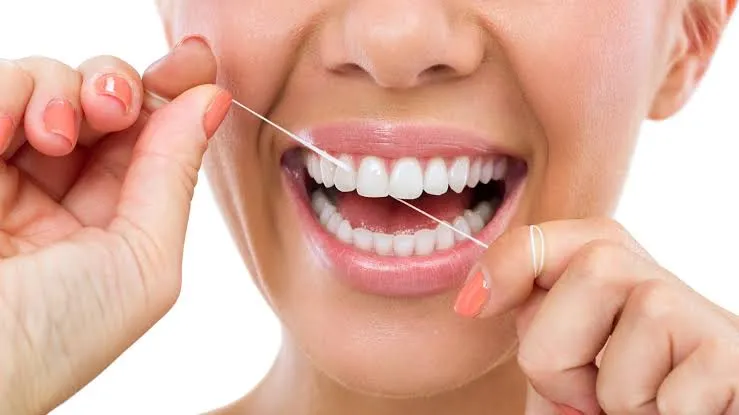
Why Flossing Correctly Matters More Than You Think
Brushing alone only cleans about 60% of your tooth surfaces. The rest — the tight spaces between your teeth and along the gumline — is where plaque and food particles build up, hardening into tartar if left untouched. This is exactly where flossing comes in.
But here's the catch: flossing technique matters just as much as flossing frequency. Snapping floss too aggressively between teeth, skipping the gumline, or using a sawing motion can cause micro-tears in your gum tissue. Over time, this can lead to:
- Gum inflammation and bleeding
- Gum recession
- Increased sensitivity
- A false sense of protection while plaque still builds up
The good news? Once you know the correct technique, proper flossing takes less than two minutes a day and makes a real difference to your long-term oral health.
The 5-Step Guide to Flossing Properly
Step 1: Use the Right Amount of Floss
Break off about 45cm (18 inches) of floss. Wind most of it around your middle fingers, leaving 3–5cm to work with. This gives you a fresh section of floss for each tooth, rather than reusing the same dirty stretch throughout your mouth.
Step 2: Guide the Floss Gently
Hold the floss tightly between your thumbs and index fingers. Gently guide it between your teeth using a soft back-and-forth motion — never snap or force it downward, as this can injure your gums.
Step 3: Curve the Floss Around Each Tooth
Once the floss reaches the gumline, curve it into a C-shape against one tooth. This shape allows the floss to hug the tooth surface properly, rather than just skimming past it.
Step 4: Slide Up and Down Beneath the Gumline
Gently slide the floss up and down against the side of the tooth, moving slightly beneath the gumline. This is the step most people skip — and it's exactly where plaque tends to hide.
Step 5: Use a Clean Section for Every Tooth
Unwind a fresh section of floss as you move from tooth to tooth. Reusing the same section spreads bacteria from one space to the next, undoing the benefit of flossing in the first place.
Common Flossing Mistakes to Avoid
Even well-intentioned flossers fall into these habits:
- Snapping the floss into the gums instead of gently guiding it
- Skipping back teeth, where plaque builds up fastest
- Flossing too hard, causing bleeding and irritation
- Only flossing occasionally instead of daily
- Ignoring bleeding gums instead of checking in with a dentist
If your gums bleed every time you floss, it's not something to brush off. Persistent bleeding is often an early sign of gum disease, and it's worth having it checked rather than assumed as "normal."
When Should You Floss?
Dentists generally recommend flossing once a day, ideally before bed. This clears away the plaque and food particles that have built up throughout the day, so bacteria isn't sitting between your teeth overnight while you sleep.
The Payoff of Proper Flossing Technique
When done correctly and consistently, flossing helps to:
- Prevent cavities between teeth that brushing can't reach
- Reduce your risk of gum disease and gingivitis
- Freshen breath by removing trapped food particles
- Protect against tartar buildup and future dental issues
- Support healthier, firmer gums over time
Frequently Asked Questions
1. Why do my gums bleed when I floss?
Bleeding gums are usually a sign of gum inflammation caused by plaque buildup, not a sign you're flossing too much. If bleeding continues after a week of gentle, consistent flossing, it's worth booking a checkup to rule out early gum disease.
2. Should I floss before or after brushing?
Flossing before brushing is generally recommended, as it loosens debris between teeth so your toothbrush and toothpaste can clean more effectively afterward.
3. Is floss better than a water flosser?
Traditional floss and water flossers both have benefits. Traditional floss is highly effective at physically removing plaque, while water flossers can be gentler for people with braces, sensitive gums, or limited dexterity. Your dentist can help you decide which suits you best.
4. How do I know if I'm flossing correctly?
If your gums bleed excessively, feel sore afterward, or you're skipping the curve-and-slide motion around each tooth, chances are your technique needs adjusting. A quick demonstration at your next dental visit can help confirm you're on the right track.
Make It a Habit — and Make It Count
Flossing the right way takes less effort than you'd think, but it makes a big difference to your gum health, breath, and long-term smile. Save this guide so you never forget the steps, and share it with someone who could use the reminder too.
Not sure if your flossing technique is doing more harm than good? Book your next checkup at Dental Point and we'll take a look.



























Sign in to leave a comment.