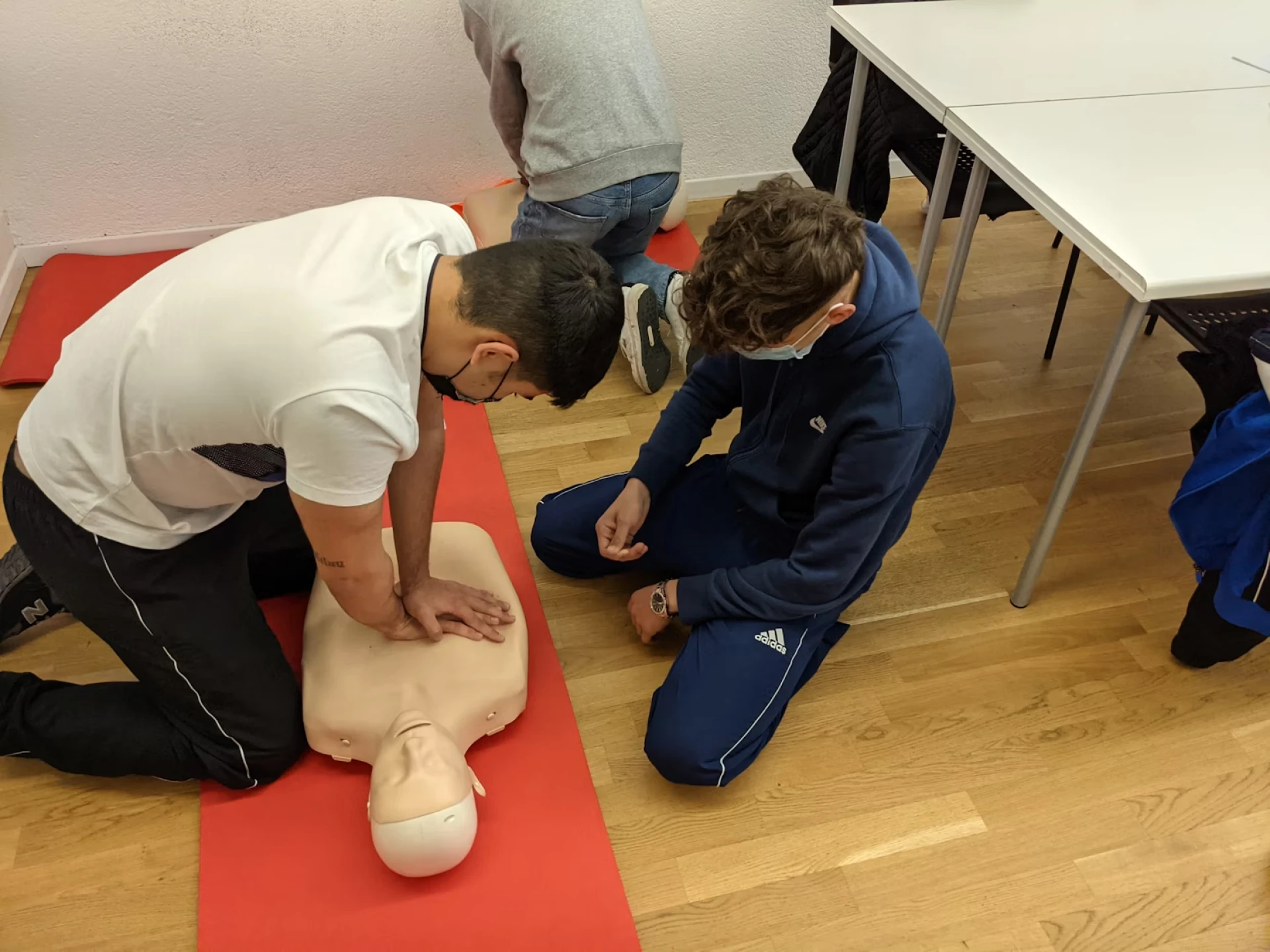

When a life is on the line, most people hope instinct will take over. But in many professions, hope isn’t enough—CPR certification is not only expected, it can be a legal and ethical requirement. Whether you're overseeing a classroom, leading a team of healthcare professionals, or managing a high-risk workplace, being trained in CPR is more than a resume booster. It’s a responsibility.
Understanding the legal implications of CPR training and how certification intersects with professional standards can help employers and employees alike stay compliant, ethically sound, and prepared to respond when every second matters.
Professions Where CPR Certification Isn’t Optional
Some careers place individuals in direct contact with vulnerable populations or hazardous environments where emergencies are statistically more likely. In these roles, CPR and first aid training are either mandated by law, required by employers, or considered industry best practice.
1. Healthcare Workers
Doctors, nurses, paramedics, medical assistants, and technicians are routinely required to maintain up-to-date CPR and Basic Life Support (BLS) certifications. Depending on the role, they may also need Advanced Cardiovascular Life Support (ACLS) or Pediatric Advanced Life Support (PALS). These certifications are often tied to employment eligibility and hospital credentialing standards.
2. Childcare and Education Professionals
Teachers, daycare workers, school staff, and coaches frequently need certification in CPR, AED, and First Aid, with a focus on pediatric care. In many states, this is not just a guideline—it's a licensing requirement for operating or working in early education settings.

3. Fitness Instructors and Lifeguards
Gyms, pools, and fitness centers typically require trainers, instructors, and aquatic staff to hold valid CPR/AED certification. Organizations like the American Heart Association (AHA) and the American Red Cross offer courses that meet most regulatory standards.

4. Construction and Industrial Workers
OSHA recommends CPR and First Aid training in workplaces with a higher risk of injury. While not federally mandated across all industries, some states and insurance policies require certain personnel to be trained, especially in high-risk environments.
5. Public Safety and Law Enforcement
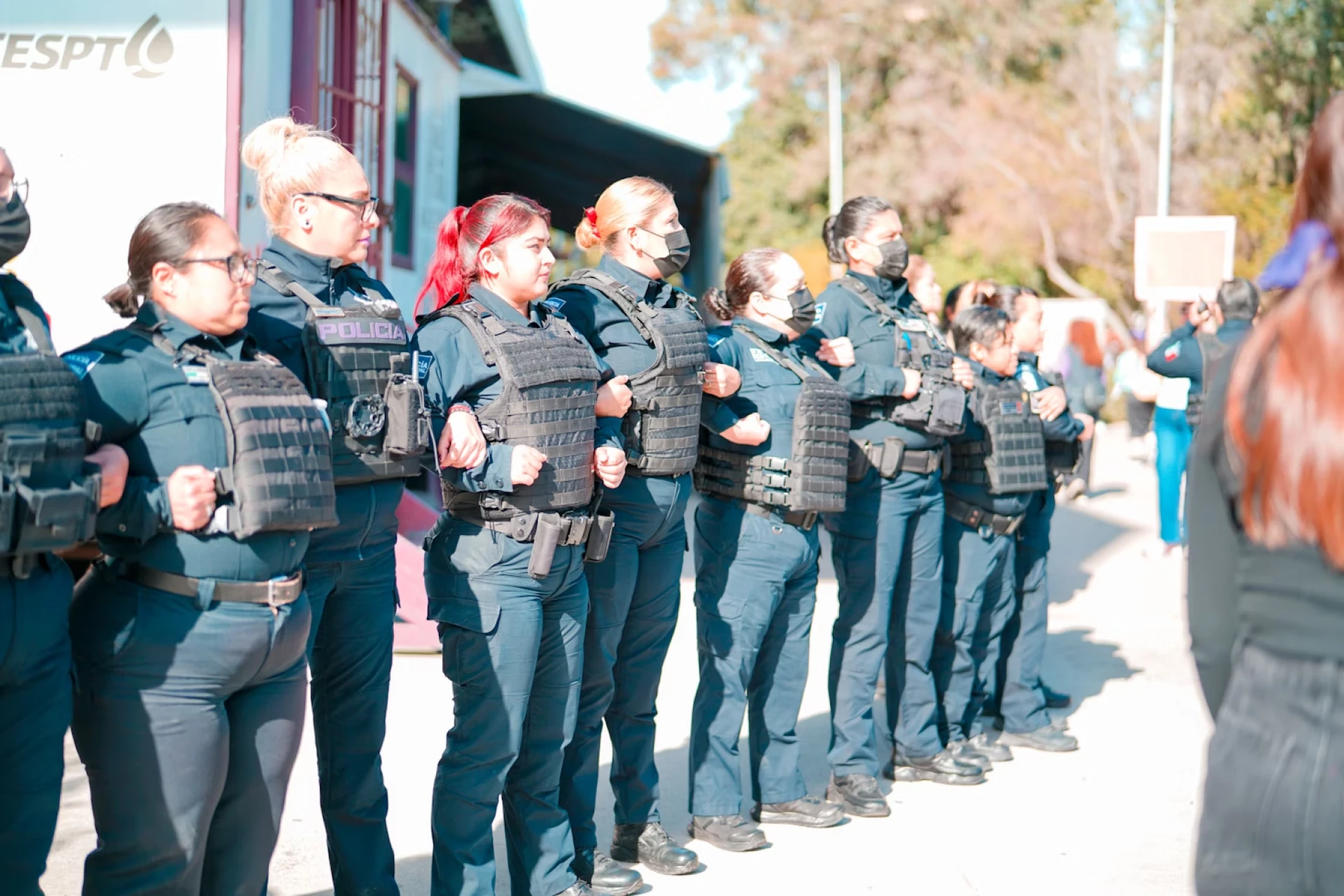
Police officers, firefighters, correctional officers, and security personnel are regularly placed in situations where emergency medical skills are essential. CPR training is often part of academy training and recertification protocols.
Legal and Regulatory Implications
Depending on the field and location, failing to obtain or renew CPR certification can have serious consequences—not just for the victim of a medical emergency, but also for the professional involved.
Licensing and Compliance
Many state regulatory bodies require CPR certification as a condition of licensure or renewal for healthcare and childcare professionals. Failure to maintain certification can lead to license suspension, fines, or job termination.
Employer Liability
In workplaces where CPR certification is required and not enforced, employers may be held liable if an untrained staff member fails to respond appropriately in an emergency. Employers have a legal and ethical duty to ensure that staff are properly trained and that certification records are kept current.
Personal Liability
In professions where CPR certification is standard, not being trained may expose individuals to legal risk. While Good Samaritan laws generally protect bystanders, professionals acting in a workplace capacity may be held to a higher standard of care, particularly if they are expected to be certified.
The Ethical Imperative
Beyond legal compliance, there’s a moral responsibility tied to knowing how to respond in a crisis. In high-trust roles—caring for children, healing the sick, protecting the public—inaction can carry a human cost. CPR and Basic Life Support (BLS) certification ensures that professionals are prepared not only to act, but to act correctly.
Being trained also helps reduce hesitation in emergency scenarios. Studies show that fear of making a mistake or causing harm is one of the biggest reasons bystanders don't intervene. With the right training, that fear is replaced with confidence, clarity, and competence.
Why Employers Should Prioritize CPR Training
For organizations, encouraging or mandating CPR certification is an investment in safety, liability reduction, and ethical leadership.
● It reduces downtime in emergencies
● Demonstrates compliance with industry standards
● Can lower insurance premiums or support claims defense
● Builds a culture of readiness and accountability
Providing access to accredited training, especially courses approved by the American Heart Association (AHA), ensures that your team meets national standards and is equipped with the most current protocols.
In professions where lives can change in an instant, CPR certification isn’t just recommended—it’s essential. It protects lives, safeguards careers, and fulfills both legal duties and ethical obligations. For professionals and employers alike, staying up to date on Basic Life Support training is one of the simplest, most impactful ways to prepare for the unexpected.
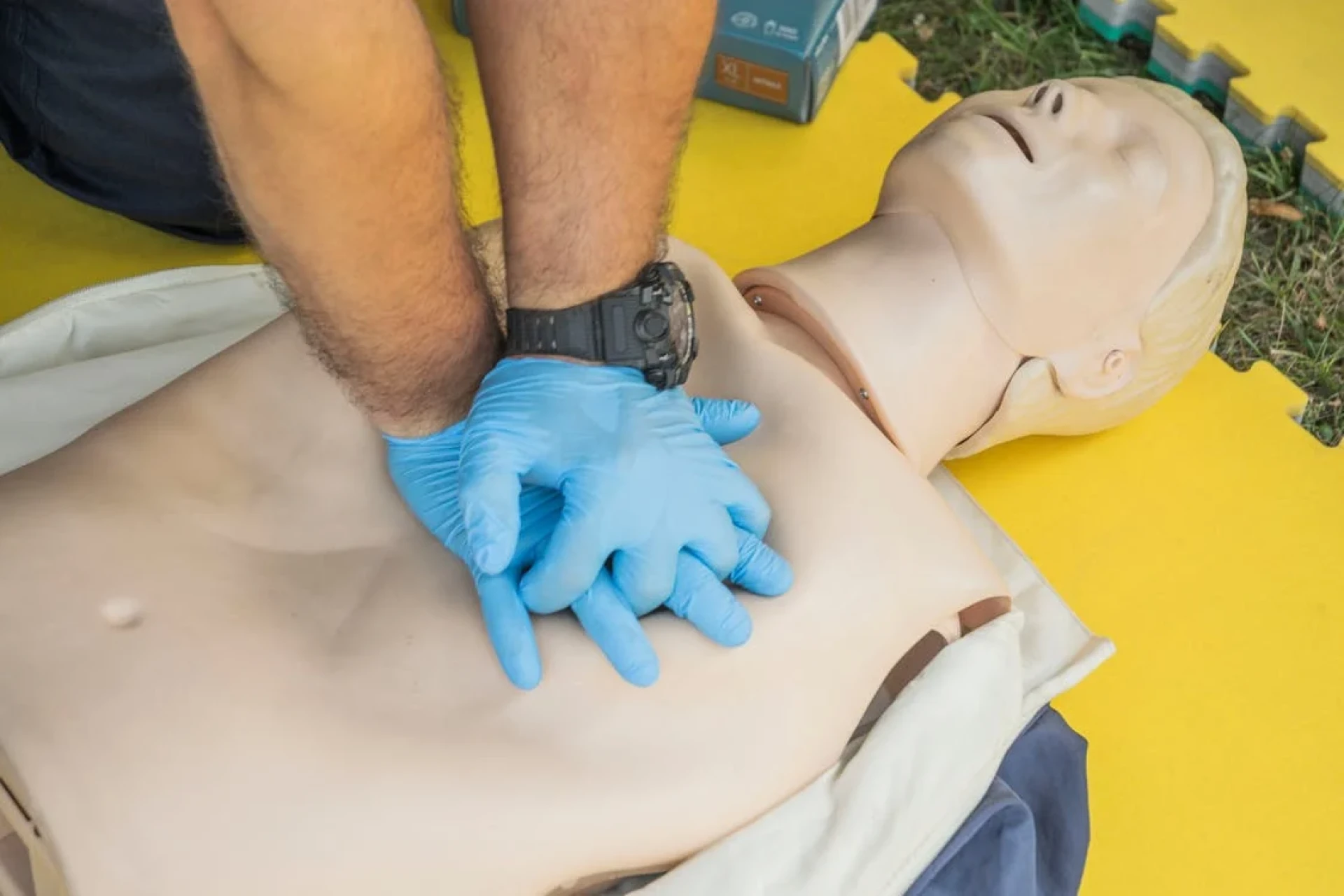
CPR & BLS Training Institute: Trusted, Certified, Ready
Serving the Philadelphia area and beyond, CPR & BLS Training Institute offers American Heart Association-certified courses in BLS, ACLS, PALS, First Aid, and AED training. Whether you're a healthcare provider, educator, or business owner, their expert instructors provide hands-on, accredited training that helps you meet compliance standards and save lives.
If you’re looking to obtain or renew more than one course, explore their bundle options to save on combined BLS, ACLS, and PALS courses.
Register today to stay compliant and prepared!






























Sign in to leave a comment.