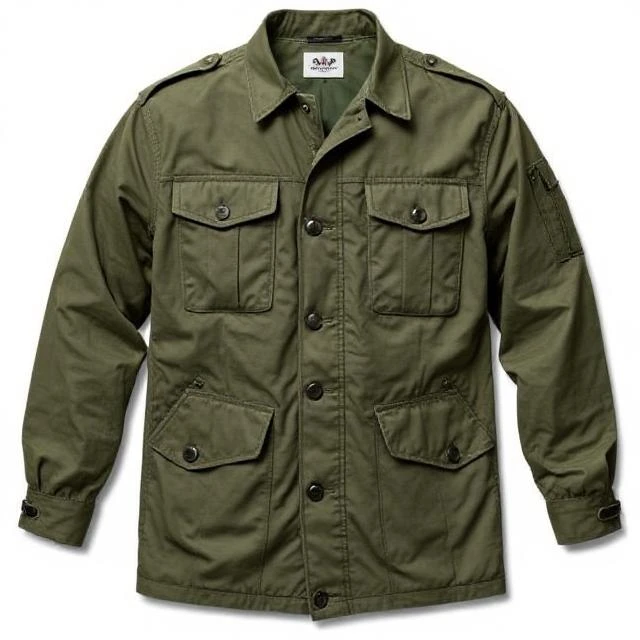

The army fatigue jacket has made a major comeback in fashion circles, but it’s often confused with streetwear styles. Although both share rugged aesthetics, their origins, purpose, and styling elements are worlds apart. Let’s explore how the army fatigue jacket stands its ground and how it truly differs from its trendy streetwear cousins.
1. The Military Roots of the Army Fatigue Jacket
Army fatigue jackets were originally designed for soldiers during combat and field operations. Built for durability, camouflage, and function, these jackets are rooted in necessity, not trend. Their design focuses on practicality—ample pocket space, muted colors, and tough materials.
2. Streetwear Jackets – Fashion-First
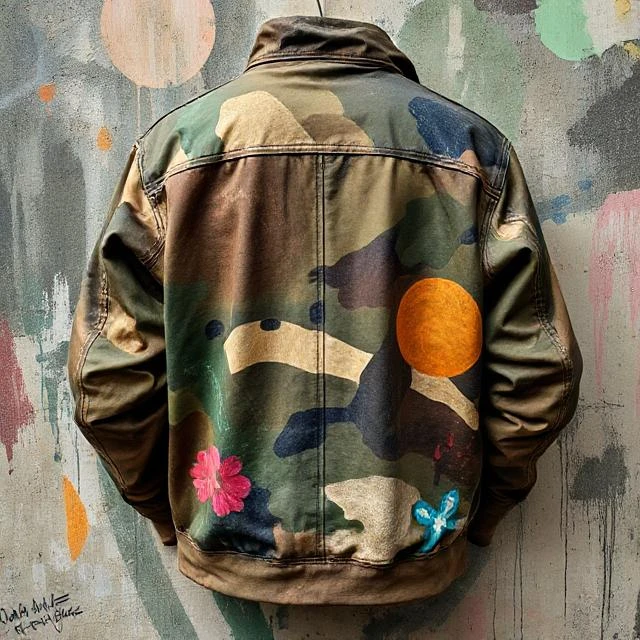
Streetwear jackets, on the other hand, are born from urban culture, skate scenes, and hip-hop influences. They often borrow military inspiration but are fashion-first. While they may look similar, streetwear jackets prioritize aesthetics over function.
3. Fabric and Functionality
Army fatigue jackets use heavy-duty materials like cotton sateen or ripstop fabric that can withstand harsh environments. These are battle-tested materials. Streetwear jackets often use lighter blends or synthetics for comfort and style rather than durability.
4. Color and Camo Differences
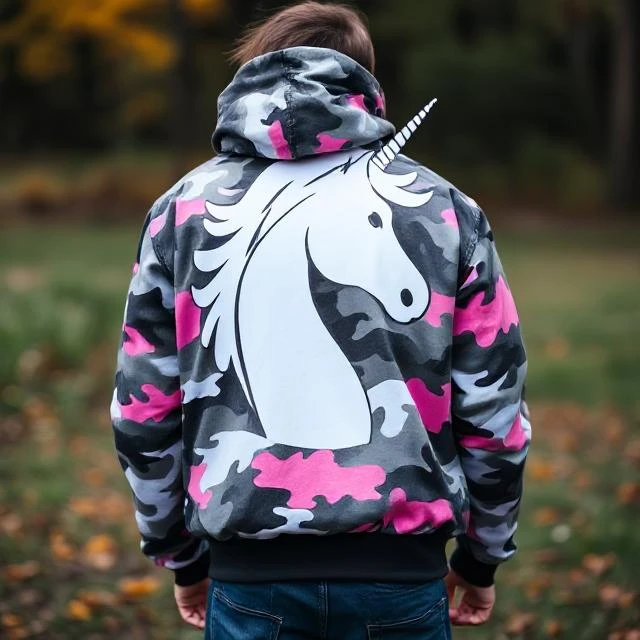
Camouflage is iconic to army fatigues, but military versions use colors based on terrain—think woodland green, desert tan, or digital camo. Streetwear jackets might use camo too, but often with bold or even neon reinterpretations that scream fashion rather than stealth.
5. Pocket Design and Utility
Utility is key in army fatigue jackets. Large chest pockets, hip pockets, and sometimes sleeve compartments are designed to carry gear. Streetwear jackets may mimic these features, but they’re usually decorative or scaled down to fit slimmer silhouettes.
6. Fit and Cut
Army jackets are cut for movement and layering in field conditions, often boxy and loose. Streetwear jackets come in a variety of fits—from oversized to cropped—designed to suit current fashion trends rather than practical needs.
7. Branding and Logos
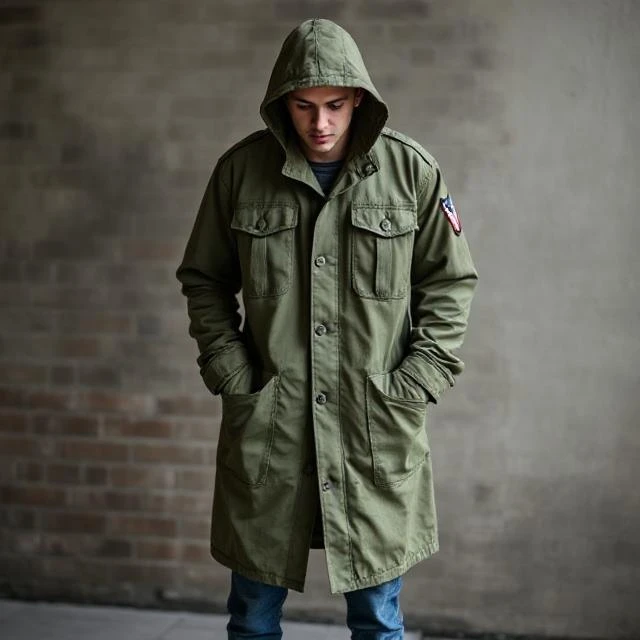
Authentic army fatigues don’t carry logos. They may have name tags, ranks, or unit patches, but no commercial branding. Streetwear jackets, however, often showcase bold logos, designer tags, or custom embroidery to build brand identity.
8. Cultural Significance
The army fatigue jacket represents discipline, service, and functionality. It tells a story of survival and resilience. In contrast, streetwear jackets are cultural statements—expressing rebellion, identity, or affiliation with a movement or brand.
9. Production Origins
True army fatigue jackets are often made by government contractors with strict standards. Streetwear jackets are produced by fashion brands, ranging from luxury houses to small street labels, and vary in quality and craftsmanship.
10. Style Versatility
While streetwear jackets aim to blend with casual, urban outfits, army fatigue jackets can be surprisingly versatile. Fashion-forward individuals often mix them with denim, dresses, or even tailored pieces for a high-low style that still nods to its utilitarian roots.
11. Durability and Longevity
A military-grade fatigue jacket can last decades and still look good. It’s made to endure the elements. Streetwear jackets, while stylish, may not hold up as well over time—especially if built with trend-focused materials.
12. Price Point and Accessibility
Surplus army fatigue jackets can be affordable and easy to find. Streetwear jackets, especially limited-edition or designer pieces, can be pricey and exclusive. Ironically, the fashion world often pays more for imitation than for the real deal.
13. Final Word: Function vs. Fashion
In the end, the key difference lies in intent. The army fatigue jacket is about function, survival, and utility. The streetwear jacket is about self-expression, trendsetting, and culture. While they may look similar from afar, their stories—and stitches—are fundamentally different.





















Sign in to leave a comment.