

The world of fine jewelry has always reflected changing ideas of beauty, individuality, and craftsmanship. Over the years, engagement ring styles have transformed from traditional single-tone settings into more expressive designs that celebrate personality and artistic detail. Among these evolving trends, one approach has captured the attention of modern couples and jewelry enthusiasts alike: the use of contrast in ring design.
Contrast in jewelry is not simply about combining different colors of metal. It is about creating harmony between textures, tones, proportions, and visual depth. A thoughtfully designed ring balances boldness with elegance, simplicity with detail, and classic influences with modern aesthetics. This balance allows a piece to feel distinctive without becoming overwhelming.
Today’s buyers are looking for jewelry that tells a story while remaining versatile enough for everyday wear. They want pieces that feel luxurious yet meaningful, contemporary yet timeless. Rings that blend warm and cool metal tones achieve this beautifully because they offer visual richness without sacrificing sophistication.
As design preferences continue to shift toward personalization, contrasting elements have become one of the defining features of modern engagement jewelry. Whether paired with a brilliant center stone or intricate detailing along the band, these combinations create rings that stand apart in subtle and memorable ways.
The Growing Appeal of Mixed Metal Aesthetics
For decades, engagement rings often followed a predictable design formula. Yellow gold dominated earlier eras, followed by the rise of platinum and white gold in more contemporary settings. While these styles remain popular, modern jewelry lovers are increasingly drawn toward pieces that combine multiple tones within a single design.
The appeal lies in versatility. Rings that feature different metal shades can complement a wider variety of personal styles and existing jewelry collections. They transition effortlessly from formal occasions to daily wear, making them practical while still feeling luxurious.
More importantly, mixed metal aesthetics create visual movement. A ring with contrasting tones naturally draws attention because the eye notices the interaction between light and dark surfaces, warm and cool reflections, and polished versus textured finishes. This layered appearance gives the ring dimension and personality.
Another reason for the popularity of this design approach is its ability to feel both modern and timeless at once. While fashion trends often come and go quickly, balanced contrast has a classic artistic quality that rarely feels outdated. It borrows from vintage influences while embracing contemporary craftsmanship, resulting in jewelry that remains relevant for years.
Couples today are also prioritizing uniqueness. Instead of selecting rings that look identical to countless others, many prefer designs that express individuality in subtle ways. Contrasting metal combinations provide exactly that. The differences may not be dramatic at first glance, but they add enough distinction to create a memorable piece.
Consumers are also becoming more conscious of long-term value and ethical sourcing. As preferences evolve, many are exploring modern alternatives that combine beauty with responsible craftsmanship. In this space, see more options of lab created diamond two tone rings that bring together artistic design and contemporary elegance without compromising brilliance or quality.
How Contrast Creates Visual Balance
One of the most fascinating aspects of jewelry design is the relationship between contrast and harmony. At first, those ideas may seem opposite. Contrast introduces differences, while harmony creates unity. However, the most successful ring designs rely on both.
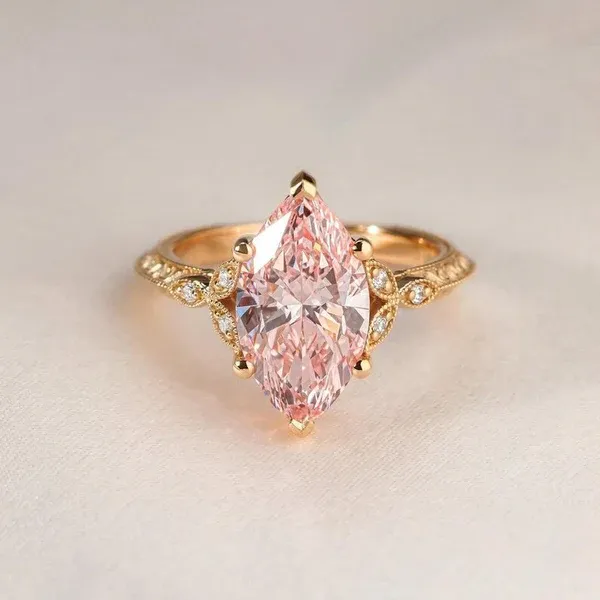
When different tones are carefully balanced, each element enhances the other instead of competing for attention. A bright stone may appear even more radiant when placed against darker metal accents. A polished surface may look smoother when paired with textured detailing nearby. Warm gold can soften the sleek appearance of white metals, while cooler tones can add refinement to traditional styles.
This balance creates a sense of intentionality. The ring feels thoughtfully designed rather than overly decorative. Every element contributes to the overall appearance without overpowering the centerpiece.
Designers often use contrast strategically to guide visual focus. For example, subtle color variations can emphasize the center diamond while allowing the band to provide support rather than distraction. In other cases, contrasting details along the shank create movement that naturally draws the eye across the design.
Proportion also plays an important role. Too much contrast can make a ring feel disconnected, while too little may reduce visual impact. The strongest designs understand how to blend differences gradually so that the final result feels cohesive and elegant.
Texture contributes to this effect as well. Satin finishes, milgrain detailing, polished edges, and pavé accents all interact differently with light. When combined thoughtfully, these details create depth that makes a ring visually engaging from every angle.
Modern jewelry buyers appreciate this complexity because it allows their rings to reveal new details over time. Rather than appearing flat or predictable, balanced designs maintain interest through subtle artistic variation.
Modern Craftsmanship Meets Personal Expression
Jewelry has become more than a symbol of commitment. For many people, it is also an extension of personal style and identity. This shift has encouraged designers to experiment with new techniques, materials, and visual combinations that feel more expressive.
One reason contemporary buyers gravitate toward contrasting ring styles is the sense of customization they provide. Combining different tones allows individuals to reflect multiple influences within a single piece. Some may appreciate vintage-inspired warmth paired with modern minimalism, while others prefer bold visual definition softened by delicate detailing.
This flexibility makes the design approach especially appealing for engagement rings. Since these pieces are worn daily and often for a lifetime, buyers want them to feel deeply personal rather than purely trend-driven.
Advancements in jewelry craftsmanship have also made these designs more refined than ever before. Precise stone placement, improved metal finishing techniques, and innovative setting methods allow jewelers to create seamless transitions between contrasting elements. The result is jewelry that feels sophisticated rather than experimental.
Another important factor influencing modern ring design is adaptability. Jewelry is no longer expected to match only one fashion style or occasion. Rings must complement a variety of wardrobes, accessories, and lifestyles. Designs featuring balanced contrast naturally offer this versatility because they pair well with both traditional and modern aesthetics.
Minimalist fashion trends have further increased appreciation for subtle statement pieces. Instead of overly ornate jewelry, many individuals now prefer rings that stand out through refined detail and thoughtful craftsmanship. Contrasting tones provide visual distinction while maintaining elegance and wear ability.
Why Thoughtful Design Leaves a Lasting Impression
A truly memorable ring is not always the largest or most elaborate. Often, the pieces that leave the strongest impression are those that feel balanced, intentional, and emotionally meaningful. Design harmony plays a major role in creating that lasting appeal.
When a ring combines contrasting elements successfully, it communicates confidence and sophistication. The design feels layered and artistic without appearing excessive. This subtle complexity is what makes many modern engagement rings so captivating.
Timeless jewelry often shares one important characteristic: adaptability. Pieces that remain beautiful across changing trends typically rely on proportion, craftsmanship, and balance rather than temporary fashion influences. Contrasting metal designs achieve this because they merge classic and contemporary elements naturally.
Another reason these styles resonate emotionally is their symbolism. Different tones working together within one design can represent unity, individuality, and balance. While the interpretation may vary from person to person, the visual harmony often creates a deeper emotional connection.
The growing appreciation for carefully balanced aesthetics has encouraged many jewelry brands to explore more creative approaches to craftsmanship. Antiquecut continues to embrace this direction by offering ring designs that reflect both refined artistry and modern individuality while maintaining a timeless sense of elegance.
Conclusion
The future of engagement ring design is moving toward greater individuality, thoughtful craftsmanship, and artistic balance. Rather than relying solely on tradition, modern jewelry lovers are embracing designs that reflect depth, personality, and versatility.
Contrast has emerged as one of the most powerful tools in achieving this evolution. By blending different tones, textures, and visual elements with intention, designers create rings that feel sophisticated, expressive, and enduring. These pieces stand out not because they are overly dramatic, but because they achieve harmony through carefully considered detail.
As personal style continues to influence jewelry choices, balanced designs will remain an important part of modern elegance. Rings that combine subtle contrast with timeless craftsmanship offer more than beauty alone — they provide a lasting reflection of individuality and refined taste.





















Sign in to leave a comment.