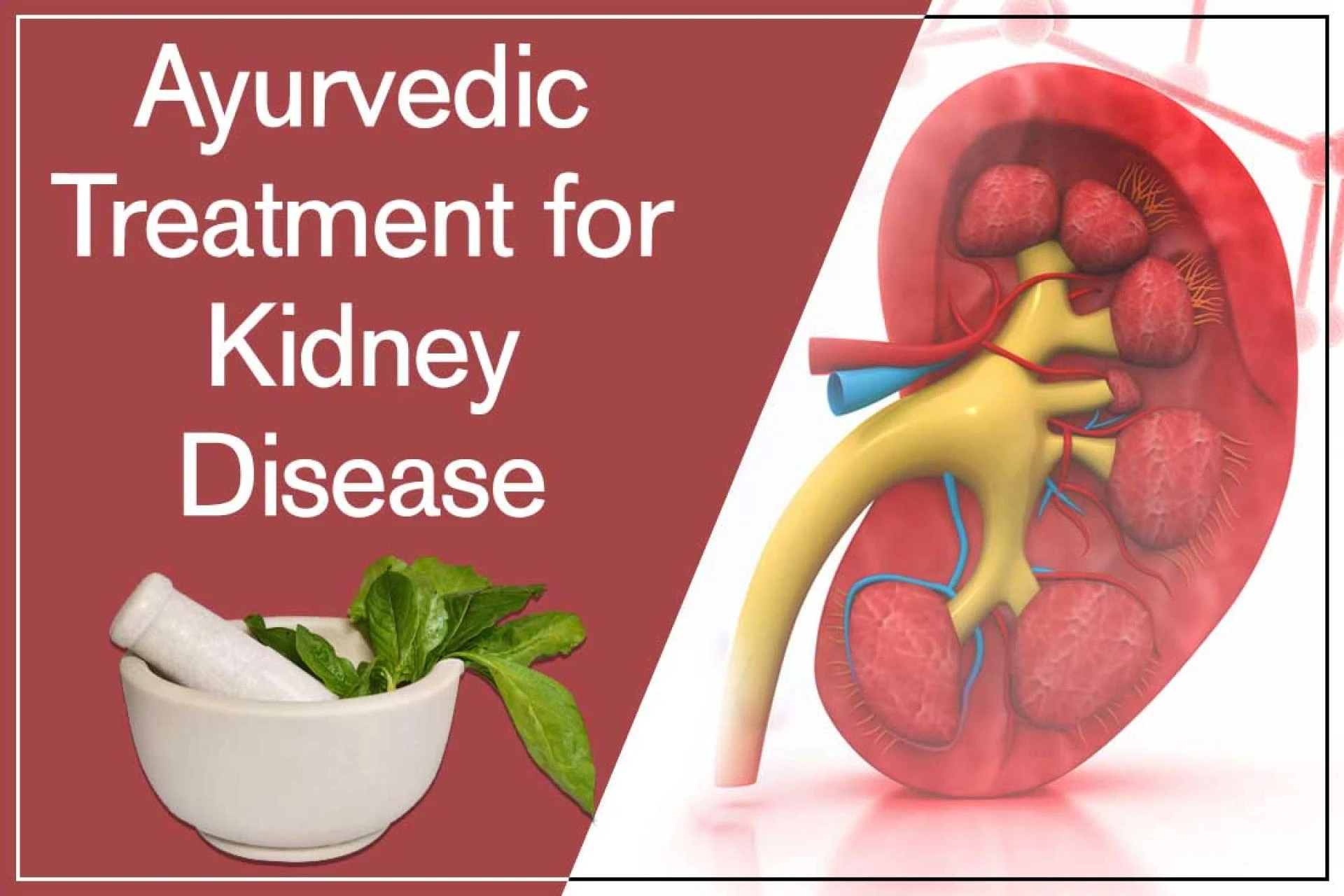

Art therapy is known to be a therapeutic approach that utilizes the creative process of making art to enhance emotional, psychological, and physical well-being. It has been found to be beneficial for individuals facing various health problems, including kidney disease. Kidney disease is a chronic disease that is responsible for affecting millions of people worldwide. It has various challenges that go beyond the physical challenges. It leads to emotional distress, anxiety, and depression. In this article, we will explore the concept of art therapy, its application in the context of kidney disease, and its potential benefits to patients undergoing treatment for this condition.
Understanding Kidney disease: Beyond physical symptoms
Kidney disease, also known as renal disease or nephropathy, occurs when the kidneys lose their ability to filter waste products and excess fluids from the blood effectively. This condition can lead to a buildup of toxins, electrolyte imbalances, and fluid retention, resulting in symptoms such as fatigue, nausea, swelling, and changes in urinary patterns. However, the impact of kidney disease goes beyond these physical manifestations.
Patients with kidney disease often experience emotional and psychological challenges due to the illness's chronic nature, lifestyle changes, and uncertainties about the future. Coping with the burden of treatment, dialysis, or waiting for a kidney transplant can take a toll on mental well-being. Feelings of fear, anxiety, depression, and isolation are not uncommon, leading to a decreased quality of life for many kidney disease patients.
What is Art therapy?
Art therapy harnesses the innate human capacity for creative expression to facilitate emotional healing and self-discovery. It provides individuals with a safe and non-judgmental space to express their thoughts, emotions, and experiences through various art forms such as painting, drawing, sculpting, and collage-making. Unlike traditional art, the focus in art lies not in producing aesthetically pleasing artwork but in the process of creating and the emotions evoked during it.
The creative process and its therapeutic effects
Engaging in the creative process can have numerous therapeutic effects for individuals facing health challenges, including kidney disease patients. Here are some key ways art can positively impact their lives:
Emotional expression
Art offers a non-verbal means of expressing complex emotions that might be difficult to articulate with words alone. Patients can use art as a medium to express their fears, frustrations, hopes, and dreams, providing a sense of relief and release.
Stress reduction
The act of creating art can be meditative and calming, helping to reduce stress and anxiety levels. It can distract patients from the burdens of illness and treatment, allowing them to focus on the present moment.
Sense of control
Dealing with a chronic illness can often make patients feel like they have lost control over their lives. Art therapy gives them a sense of autonomy and control over the creative process, empowering them to make choices and decisions.
Enhancing self-esteem
Accomplishing artistic tasks, no matter how simple can boost self-confidence and self-esteem. Completing an art piece can provide a sense of achievement and pride, promoting a positive self-image.
Processing trauma
For some kidney disease patients, the diagnosis and treatment process can be traumatic. Art therapies can be a gentle way to explore and process these traumatic experiences.
Building resilience
Art therapy fosters resilience by encouraging patients to experiment with different art mediums and techniques. This experimentation translates into the ability to adapt and cope with life’s challenges more effectively.
How is Art therapy helpful in kidney disease management?
Incorporating art therapy into the management of kidney disease can be highly beneficial for patients and complement traditional medical treatments. Here are several ways in which art therapy can be integrated into the care plan:
Support groups with an Artistic Focus
Organizing support groups with an Artistic focus for kidney disease patients that incorporate art therapy can create a sense of community and camaraderie. Sharing creative experiences with others facing similar challenges can foster connections and reduce feelings of isolation.
Individual Art therapy session
For patients struggling with severe emotional distress, individual art therapy sessions with a trained art therapist can provide personalized attention and support tailored to their unique needs.
Creative workshops
Hosting creative workshops and art-based events for Ayurvedic treatment in kidney disease can introduce them to art therapy techniques and inspire them to continue using art as a form of self-expression beyond the workshop.
Measuring the Impact: Evaluating Art Therapy Outcomes
Quantifying the impact of art therapy on kidney disease patients can be challenging due to the subjective nature of emotional experiences. However, some methods can be employed to evaluate the effectiveness of art therapy:
Patient self-reports
Encouraging patients to reflect on their art therapy experiences and record their emotions and thoughts can provide valuable insights into their progress and emotional state.
Clinical observations
Art therapists and healthcare providers can observe changes in patients’ demeanor, engagement, and emotional expression during and after art therapy sessions.
Quality-of-life assessments
Regularly administering standardized quality-of-life assessments can help gauge patient emotional well-being improvements over time.
Focus groups and interviews
Organizing focus groups and conducting interviews with participants can offer qualitative data on their experiences and perceptions of art therapy.
How is art therapy related to Ayurvedic kidney treatment?
As we all know, Ayurveda uses all-natural and organic ways of treating patients. There are many naturally used treatment methods for kidney disease. Ayurveda is an ancient method of treatment that provides a holistic approach to its patients. Panchkarma therapy is a widely used therapy in the Ayurvedic world when it comes to kidney disease. Another such therapy is ‘Art therapy.’ It is also a natural form of therapy that Ayurvedic practitioners use. Along with this therapy, you will be asked to follow the following:
Dietary recommendations Lifestyle modifications Regular exercise Proper sleep scheduleConclusion
Art therapy provides a unique and innovative approach to supporting kidney disease patients in their journey toward healing and emotional well-being. Throughout the creative process, patients can express their emotions, alleviate stress, and gain a sense of control over their lives. Integrating art therapy into kidney disease management can improve patient outcomes, enhance quality of life, and a more holistic approach to healthcare. As we continue to explore the potential of art therapy in various healthcare settings, it is essential to recognize its profound impact on the lives of individuals with kidney disease.




























Sign in to leave a comment.