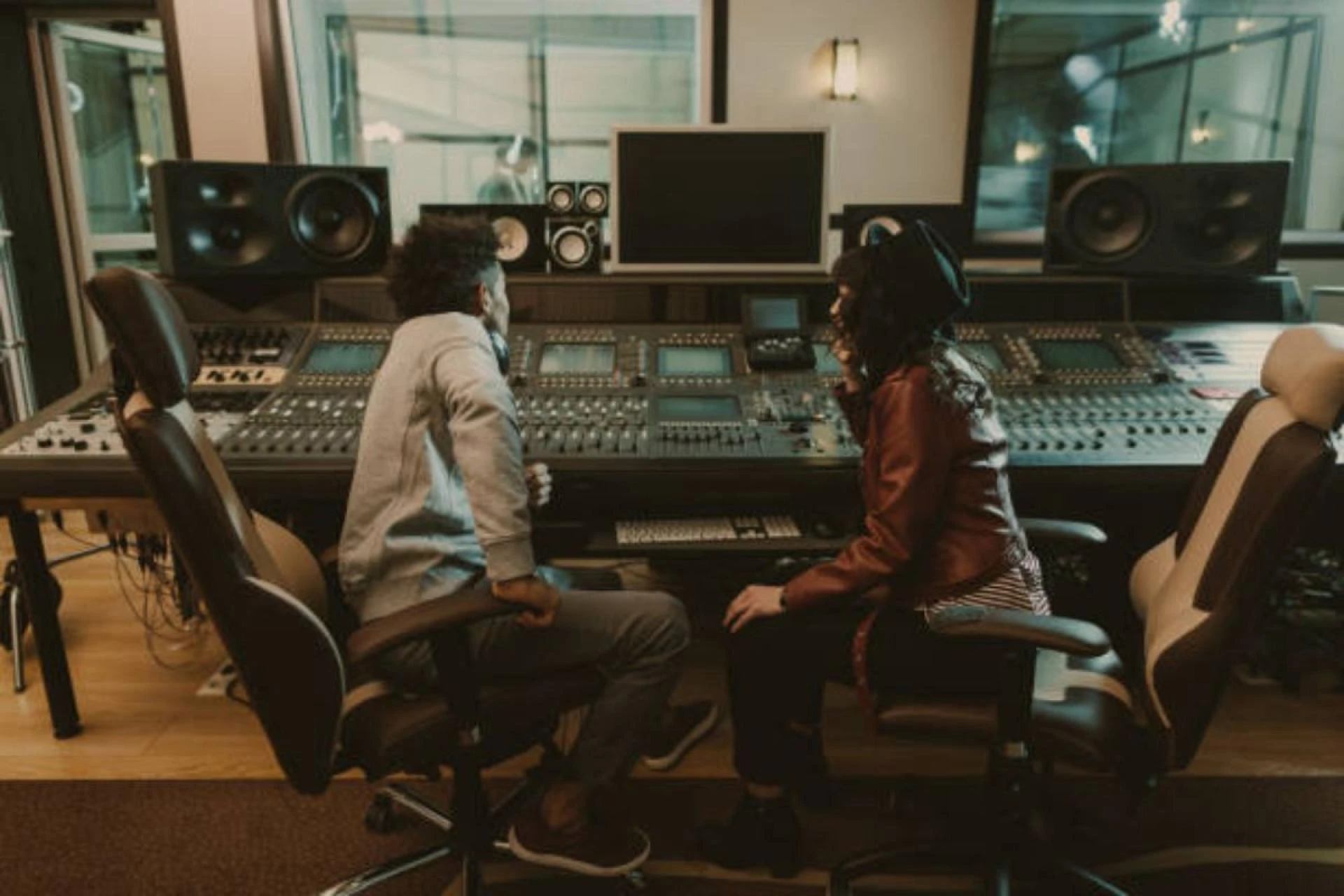

Audio production is both an art and a science. Whether you are a budding musician, a podcaster, or a sound enthusiast, understanding the nuances of sound can elevate your work and make it truly stand out. Many aspiring creators in sound engineering India are now exploring structured learning paths to gain professional skills, but even independent learners can benefit greatly from knowing some practical secrets and techniques.
At its core, audio production is about capturing, shaping, and delivering sound that connects with the listener. It begins with understanding the tools at your disposal. A good microphone, audio interface, and headphones are fundamental. However, knowing how to use them effectively is even more important. For instance, microphone placement can drastically change the tone of a recording. Close-miking can give intimacy and clarity, while room mics can add depth and space. Simple adjustments in positioning can prevent muddiness and create a professional feel in recordings.
Understanding Sound Fundamentals
Sound is essentially vibration traveling through a medium. In audio production, understanding frequency, amplitude, and dynamics is crucial. Frequencies determine the tonal quality, amplitude affects loudness, and dynamics control the emotional impact of a track. Learning how these interact can help creators sculpt sound more deliberately. For example, boosting certain frequencies can make a vocal sound brighter, while cutting others can reduce harshness.
Additionally, understanding the difference between analog and digital audio can be very helpful. Analog recordings often provide warmth and character, while digital recordings offer precision and clarity. Many producers blend both to achieve the perfect balance.
The Importance of Room Acoustics
A common mistake among beginners is neglecting the recording environment. Room acoustics play a critical role in shaping sound. Bare walls can create echoes, while carpets and curtains can absorb unwanted reflections. Soundproofing and acoustic treatment, even in a small room, can drastically improve the quality of your recordings. Simple solutions like foam panels, bass traps, or reflective surfaces can make a huge difference in clarity and depth.
The Role of Editing
Once sound is recorded, editing is the next vital step. This includes trimming unwanted noise, adjusting volume levels, and aligning tracks. Learning to edit efficiently saves time and improves the final outcome. Noise reduction tools can remove hums and hisses, while automation allows precise control over volume and effects throughout a track. Editing is where creativity and technical skill meet, and it is often what separates amateur recordings from professional productions.
Mixing: Bringing Everything Together
Mixing is the process of balancing all elements in a track to ensure clarity and cohesion. It involves adjusting levels, panning, equalization, and adding effects such as reverb or delay. The goal is to create a space where every element has its place, and the listener experiences a seamless audio journey. Understanding stereo imaging and depth is essential here, as it helps create a more immersive sound.
A well-mixed track ensures that no instrument overshadows another and that the vocals are clear and prominent. Beginners often make the mistake of overusing effects, but subtlety is key. Each decision should serve the song or content, not the tools themselves.
Mastering: The Final Polish
Mastering is the final stage of audio production. It prepares a track for distribution, ensuring consistent loudness, tonal balance, and playback quality across all devices. While mixing shapes the individual tracks, mastering focuses on the final stereo file. Even small adjustments can enhance the overall impact, making your production sound professional and polished.
Leveraging Digital Tools
Modern audio production heavily relies on digital tools like DAWs (Digital Audio Workstations). These platforms allow creators to record, edit, mix, and master in one environment. Popular DAWs offer built-in effects, virtual instruments, and plugins that expand creative possibilities. Learning how to navigate these tools efficiently is crucial for any creator. Organizing tracks, using templates, and employing shortcuts can streamline workflow and make the production process much smoother.
Creativity and Experimentation
While technical skills are essential, creativity is what truly makes a piece stand out. Experimenting with unconventional recording techniques, sound design, and layering can result in unique textures and moods. Don’t be afraid to try new things; some of the most memorable sounds come from experimentation. For instance, combining natural sounds with electronic elements can create a hybrid aesthetic that captivates listeners.
Learning from Professionals
Even if you are self-taught, observing professional practices can accelerate your growth. Studying mixing techniques, listening critically to well-produced tracks, and understanding industry standards are all part of the learning process. Many aspiring creators consider music production courses In Bangalore to get hands-on experience and mentorship. However, consistent practice and curiosity can be just as valuable.
Workflow and Organization
A structured workflow can greatly enhance productivity. Labeling tracks, color-coding sections, and creating session templates save time and reduce errors. Maintaining a consistent naming system and file management strategy ensures that projects remain organized, especially when collaborating with others. Efficient workflow allows creators to focus more on creativity and less on technical frustrations.
The Human Element
At the heart of every great audio production is the human element. Understanding emotion, rhythm, and storytelling through sound is crucial. Even the best tools cannot replace a keen ear or a thoughtful approach. Listening critically, evaluating your work, and seeking feedback can refine your skills and improve your productions over time.
Continuous Improvement
Audio production is a field that constantly evolves. New technologies, plugins, and techniques emerge regularly. Staying updated and experimenting with new approaches keeps your work fresh and competitive. Practice, patience, and a willingness to learn are the keys to long-term success. Remember, even small incremental improvements compound over time, making a significant difference in your skill level.
Mastering audio production is a journey that blends technical knowledge with creativity. By understanding sound fundamentals, investing in proper tools, and practicing consistently, any creator can produce high-quality audio. Whether you pursue formal learning or self-guided exploration, these audio production secrets provide a strong foundation for success and help you craft sound that resonates with audiences.























Sign in to leave a comment.