
I still remember sitting in a conference room a few years back, watching a presenter click through slide after slide of numbers while half the room quietly checked their phones. Nobody was being rude. They just couldn't find a way in. That moment stuck with me, because it's such a common story and it's exactly the gap that a good data storytelling speaker exists to close.
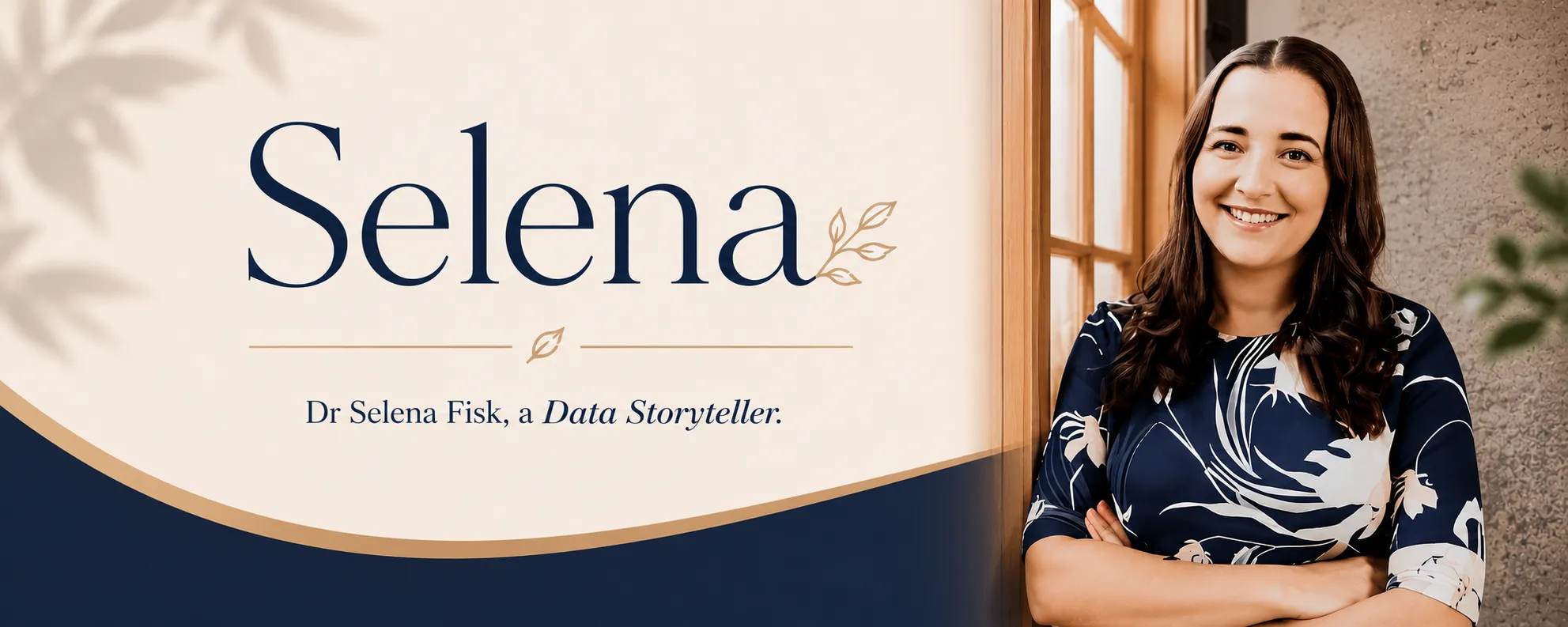
If you've ever sat through a data presentation and walked away with nothing but a headache, you already know why this matters. Numbers on their own don't move people. Stories do. And in Australia right now, one name keeps coming up when organisations, schools, and conference organisers go looking for someone who can actually make data land: Dr. Selena Fisk.
Why "Just Show the Numbers" Doesn't Work Anymore
In my experience following this space, the biggest mistake teams make is assuming that more data automatically means more clarity. It doesn't. Research from organisations like Gartner has pointed out for years that a huge share of business decisions still get made on gut feel rather than evidence, partly because the data itself is never translated into something people can actually use. Dashboards pile up. Reports go unread. Meetings run long, and nobody leaves with a clear next step.
This is where Dr. Selena Fisk's approach stands out. Rather than dumping numbers on an audience and hoping something sticks, she works from a simple but powerful idea: help people become data-informed, not just data-driven. That distinction matters more than it sounds. ‘Data-driven’ can mean drowning in metrics without context. ‘Data-informed’ means using evidence to support good judgement, not replace it.
Keynotes That Actually Change How Teams Think About Data
As a data strategy keynote speaker, Selena's sessions aren't generic "here's why data matters" talks. Her 2026 keynote topics dig into real, specific challenges — things like building a data-informed culture, embedding data into everyday decision-making, and using her own 3i Impact Model to help teams track intention, implication, and interval when measuring outcomes. It's the kind of framework you can actually take back to your team on Monday morning, not just something that sounds nice on a slide.
What I find genuinely useful about her keynotes is that they're tailored to the room. A school leadership team and a corporate analytics team don't have the same data problems, and treating them like they do is one of the most common failures in this kind of speaking work. Selena builds each session around the audience's actual context, which is a big part of why she keeps getting invited back to conferences, school systems, and corporate events across the country.
Australia's Go-To Data Storytelling Speaker: Organisations Trust
Search "data storytelling speaker australia" and you'll find plenty of people who talk about data. Fewer of them have actually built a career around teaching others how to communicate it well. Selena has worked with well over a hundred schools and organisations, from individual school partnerships to system-wide keynotes, and her Data Champions programme takes participants through a full 12-month action-research cycle rather than a one-off session that's forgotten by Friday.
That's a meaningful difference, honestly. A lot of professional development happens in a single afternoon and evaporates by the following week. Programmes built around ongoing coaching and real projects tend to stick, because people are applying the ideas to their own data as they go, not just listening to someone else's case study.
Free Data Literacy Webinar Sessions Worth Your Time
Not every organisation is ready to book a full keynote or a 12-month programme, and that's fair enough. If you want a lower-commitment way to test the waters, Selena also runs a data literacy webinar series throughout the year. Attendees can join live or grab the recording afterwards, which is handy if your team is spread across time zones or juggling school terms.
These sessions cover the fundamentals — reading data with confidence, understanding what a chart is actually telling you, and building the everyday habits that make data feel less intimidating. Many students, employees, and even experienced staff genuinely struggle with data confusion, not because the material is impossible, but because nobody ever broke it down for them in plain language. That's the gap these webinars are built to fill.
Tune In: The Data Talk Podcast
If webinars and keynotes aren't quite your speed yet, Selena's podcast, Make Data Talk, is a good entry point. It's a data talk podcast built around short, practical episodes, everything from how to run better data conversations in team meetings to lessons drawn from unexpected places, like elite sports coaching. It's also available as a weekly newsletter on LinkedIn if you'd rather read than listen.
A Few Honest Caveats
To be fair, no single speaker or programme is the right fit for every organisation, and results from any data storytelling training will always depend on how much your team applies afterwards. A great keynote can spark momentum, but it works best paired with follow-up coaching or internal champions who keep the conversation going. Worth keeping in mind before you book anything.
If you're weighing up options for a conference, a staff training day, or an internal data visualisation push, it's worth exploring what a properly tailored keynote or webinar series looks like before committing. You can see current keynote topics and availability on Selena's speaking page.
FAQs
What makes Selena Fisk a data storytelling speaker rather than just a data trainer?
She combines strategic content (how organisations should think about data) with practical storytelling and design-thinking techniques, so audiences leave with both a mindset shift and usable tools.
Is the data literacy webinar free to attend?
Selena runs webinars throughout the year that attendees can join live or purchase as a recording afterwards, check her webinars page for current dates and pricing.
Does Selena only work with schools or also corporate clients?
Both. She works with schools through programmes like Data Champions and with corporates and not-for-profits through keynotes and tailored workshops.
Where can I listen to the data talk podcast?
Make Data Talk is available on Spotify, Apple Podcasts, and Google Podcasts, with a companion newsletter on LinkedIn.
How do I book a data strategy keynote speaker for my event?
You can reach out directly through the contact details on her speaking page to check availability and discuss your audience and event goals.
Conclusion
At the end of the day, data doesn't have to feel overwhelming, and it definitely doesn't have to be boring. Whether you're a school leader trying to make sense of student data, a business team drowning in dashboards, or just someone who's tired of glazed-over faces in meetings, the fix usually isn't more numbers, it's better storytelling around the numbers you already have. That's really the throughline across everything Selena does, from her keynotes and webinars to the Make Data Talk podcast: making data feel human, useful, and a little less intimidating. If any of this sounds like something your team or event could use, it's worth having a look at her speaking page to see current keynote topics and availability or exploring her work with schools if that's more your context.


























Sign in to leave a comment.