


Personal Growth and Change: Your Journey to a Better LifePersonal growth and change go hand in hand. Every person wants to live a happier, healthier, and mor...
Overthinking in relationships can create anxiety, emotional exhaustion, and unnecessary conflict. Fear of rejection, abandonment, or not being enough often triggers repetitive thoughts and constant worry. Learning to pause before reacting, calm your nervous system, communicate openly, and practice healthy emotional habits can help reduce relationship anxiety and improve emotional security.
Fear of love, people, and rejection can affect every area of life, from relationships and social interactions to self-esteem and emotional well-being. These fears often develop after painful experiences such as heartbreak, criticism, abandonment, or betrayal. Over time, the brain learns to associate connection with danger, leading to avoidance, overthinking, and persistent anxiety.
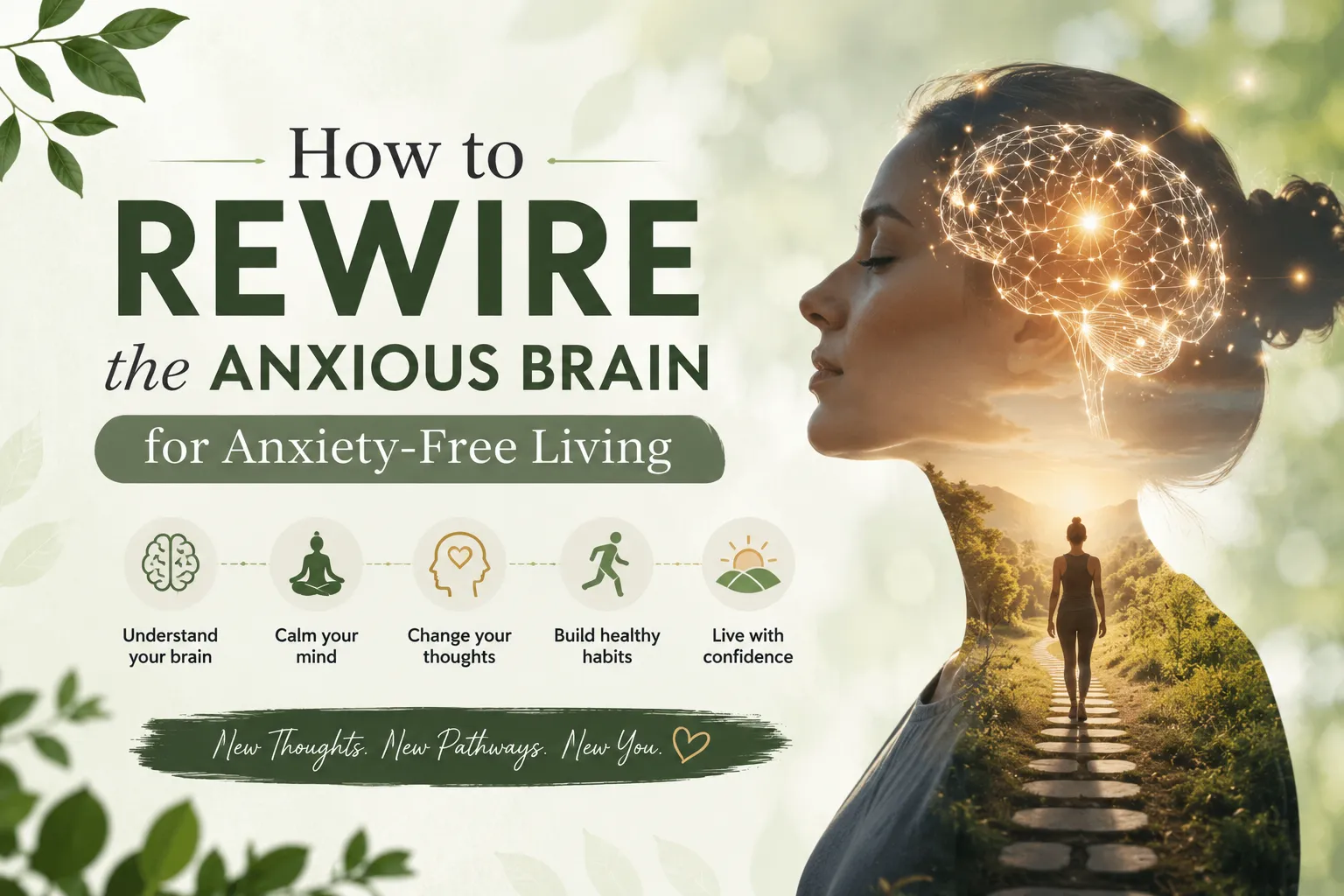
Rewiring the anxious brain is a powerful and science-backed approach to long-term anxiety recovery. Through neuroplasticity, the brain can create new pathways that support calm, resilience, and emotional balance. By practicing mindfulness, challenging anxious thoughts, reducing avoidance, and building healthy daily routines, you can gradually retrain your brain to respond with confidence instead of fear. This process does not happen overnight, but consistent habits such as exercise, quality slee
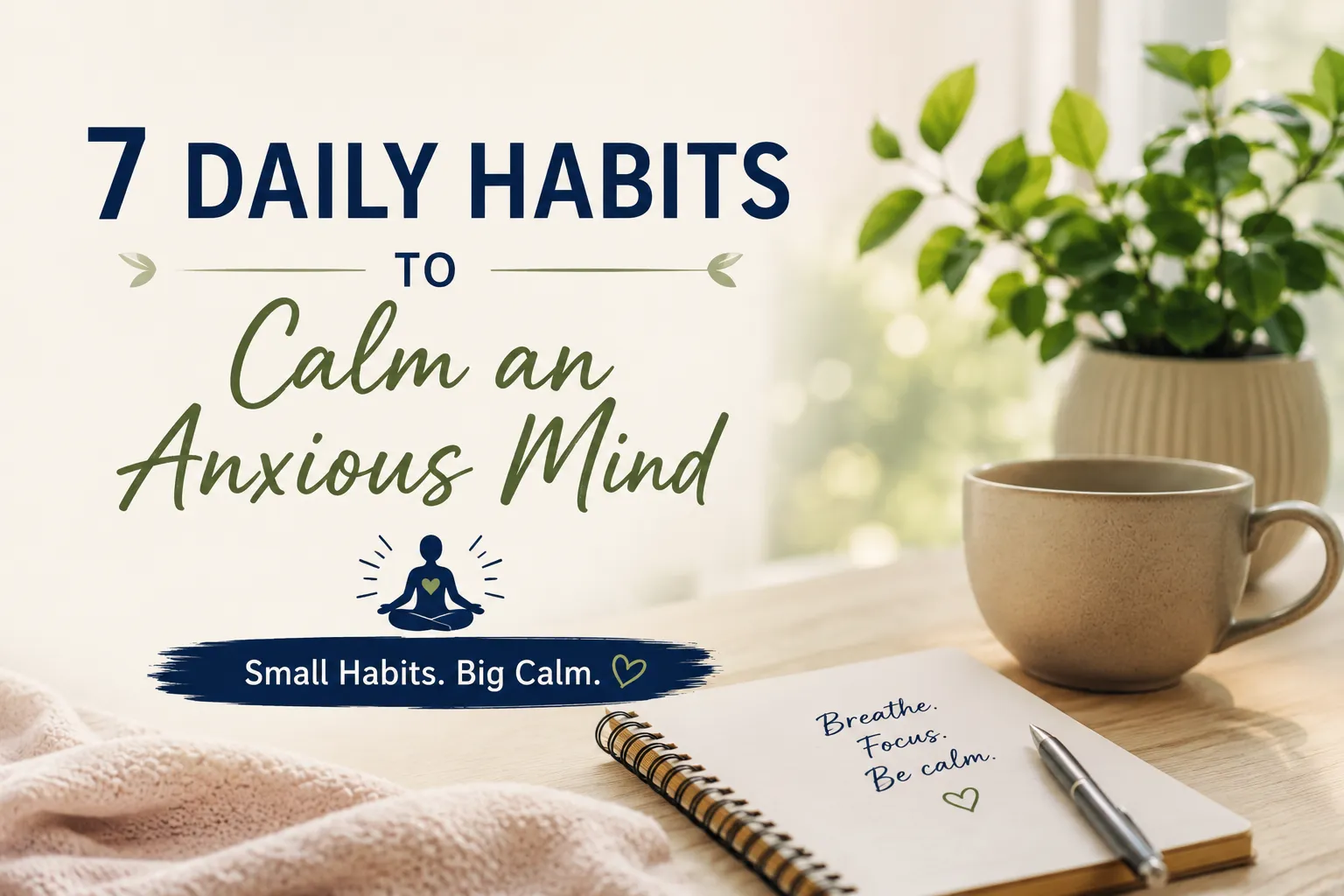
These seven daily habits can help calm an anxious mind by reducing overthinking, lowering stress, and strengthening emotional resilience. Simple practices such as deep breathing, mindfulness, exercise, and self-compassion support your nervous system and create a greater sense of balance and inner peace. When practiced consistently, these habits can significantly reduce anxiety and improve overall mental well-being.
Love is one of the most beautiful human experiences. Yet, many people feel scared when they get close to someone. This is called relationship anxiety. It can make a person overthink, doubt their partner, or even avoid love completely.