


Hysteroscopy is a gynecological procedure used to examine the inside of the uterus with a thin, lighted instrument called a hysteroscope. It helps doctors id...

Adenomyosis is a gynecological condition in which tissue similar to the lining of the uterus grows into the muscular wall of the uterus. This can cause the u...

Adenomyosis is a gynecological condition in which tissue similar to the lining of the uterus grows into the muscular wall of the uterus. This can cause the u...

Ovarian cysts are fluid-filled sacs that develop in or on the ovaries. They are relatively common during the reproductive years, and many resolve naturally w...

Uterine fibroids are non-cancerous growths that develop in or around the uterus. They are common during the reproductive years and may cause symptoms such as...
PCOS, or polycystic ovary syndrome, is a common hormonal condition that can affect ovulation, menstrual cycles, and fertility. Some women with PCOS may conce...

Male infertility can occur for several reasons, including low sperm count, poor sperm movement, abnormal sperm shape, hormonal problems, infections, or certa...
Female infertility can have many causes, and in some cases more than one factor may be involved. Problems with ovulation, ovarian reserve, fallopian tubes, t...

IUI, or intrauterine insemination, is a fertility treatment in which specially prepared sperm is placed directly into the uterus around the time of ovulation...
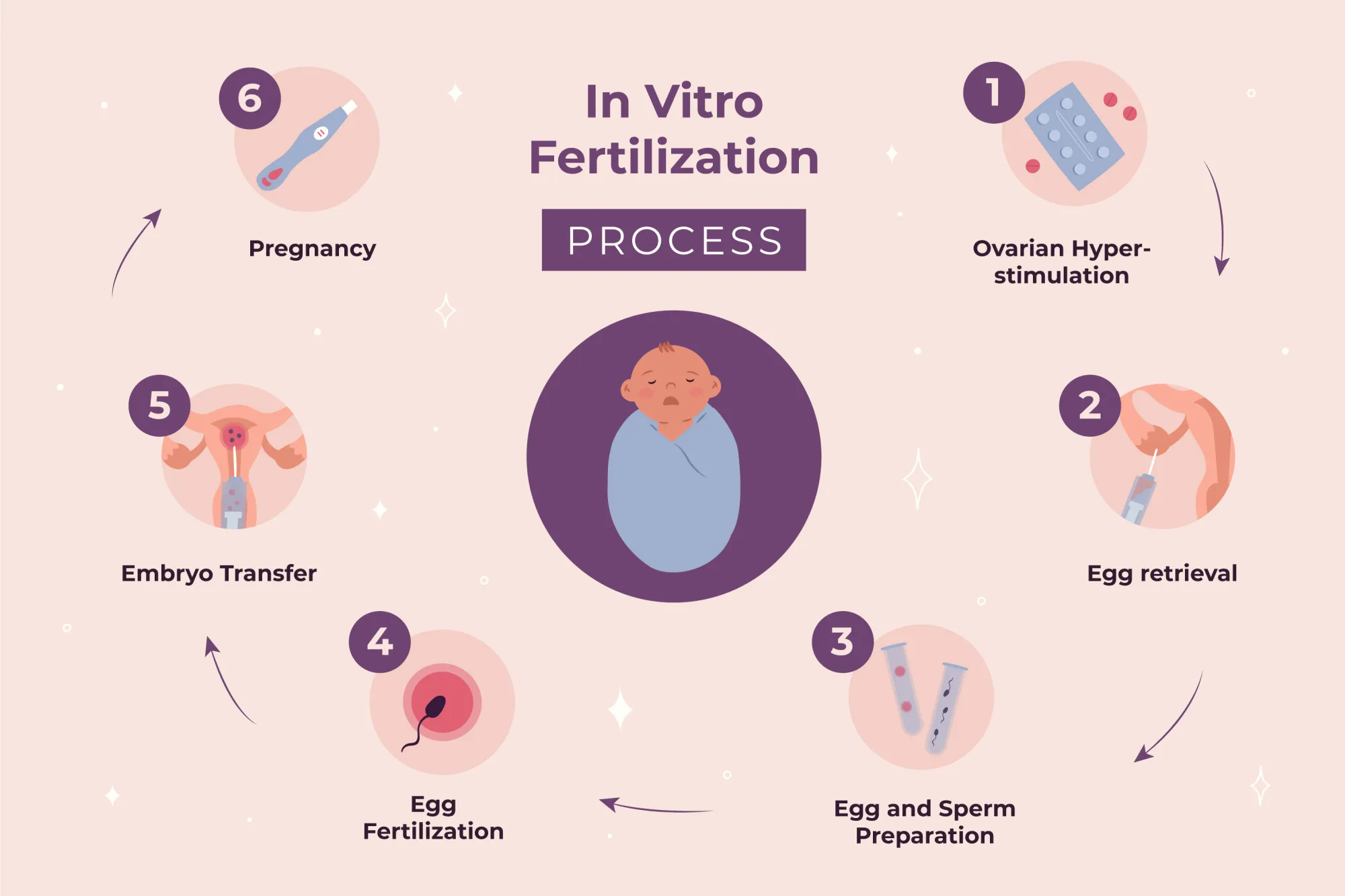
IVF, or in vitro fertilization, is an assisted reproductive treatment that may be considered when pregnancy has not occurred naturally or through simpler fer...