
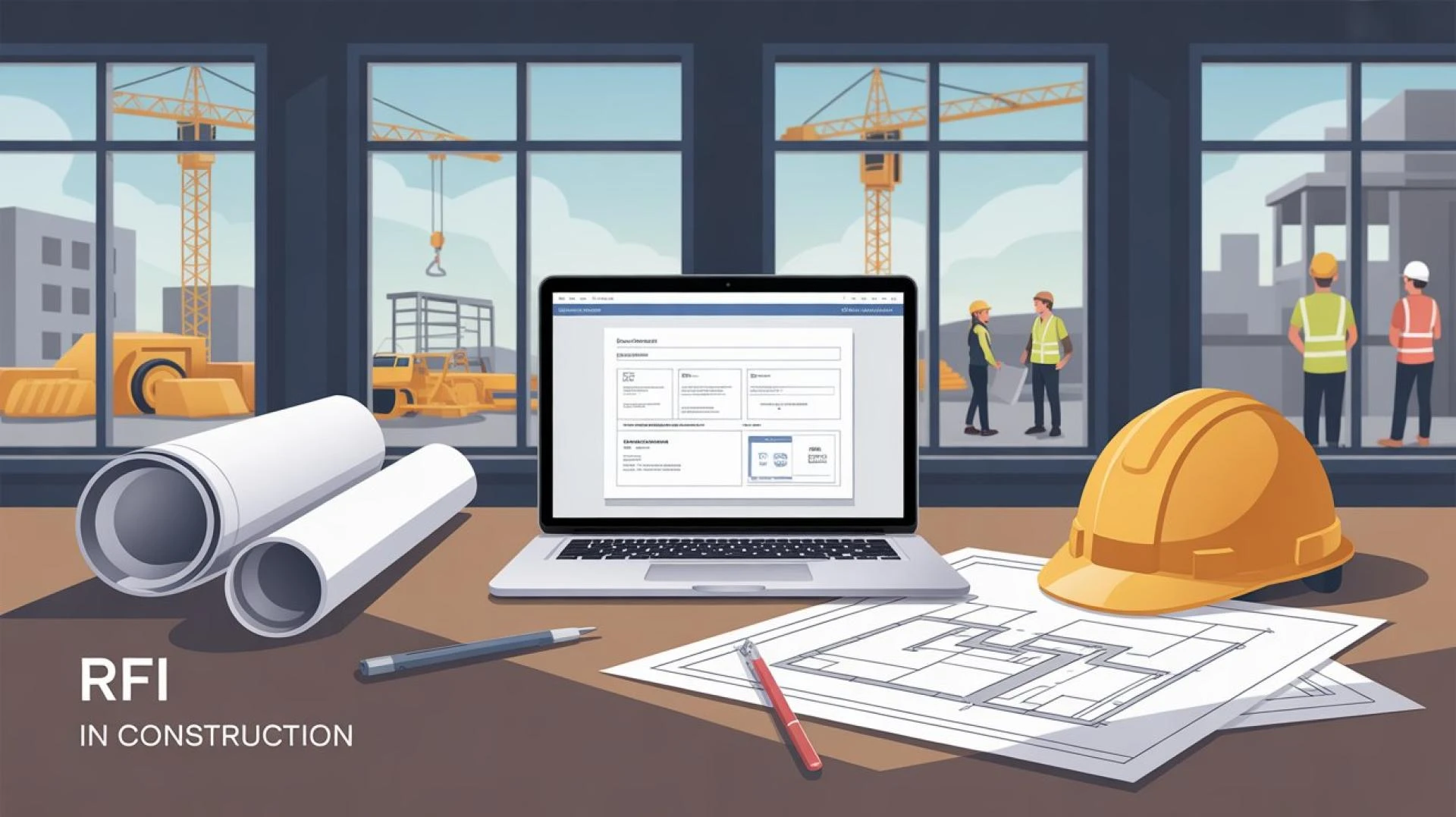
Learning about RFI in Construction: What RFI is and Why It Matters. Communication is vital in any construction project, regardless of whether the project is a commercial high-rise or housing renovation. RFI or Request for Information is one of the most important instruments needed to maintain the effectiveness of communication, particularly between contractors, architects, engineers, and project owners. RFIs can be viewed as another piece of project paperwork, but it is critical in ensuring that construction projects are completed on time, on budget, and without any costly misunderstandings. What then is an RFI and why does it make such a big deal? What is an RFI(Request for Information)? An RFI is a formal document that is used in the construction process to help clarify the uncertainties or resolve the differences or seek further clarification concerning the design, specifications, materials, and scope of work. An RFI is usually presented to the project architect, engineer, or designer by a contractor or subcontractor. It presents a certain question or concern, and an answer must be provided before work can progress in that direction. When Are RFIs Used? The RFIs are normally submitted when: Project documents are ambiguous or deficient. There is some conflicting information between drawings and specifications. Substitutes for products or materials are made. The conditions at the site are not as expected. Before installation or building, it requires clarification. RFIs are commonly raised at an earlier stage, such as during the planning stage, but can be raised during the construction lifecycle as problems occur. The relevance of RFIs in Construction. RFIs are not ordinary paperwork; they are the keys to the success of the project. Here's why: ✅ 1. Enhance Openness and Accuracy. RFIs make sure that everyone is operating on the same level. The wrong understanding of a little detail in a plan or a spec can result in thousands of dollars in mistakes. ✅ 2. Prevent Delays RFIs avoid expensive and time-consuming rework by answering questions before a task has been started. An effectively coordinated RFI process keeps the project on track. ✅ 3. Favor Legal and Contractual transparency. RFI leaves a paper trail of communication. When there are disagreements, it is a written record of who requested something, when, and what was said in reply. ✅ 4. Enhance Collaboration RFIs promote collaboration and problem-solving among the contractors, the designers, and consultants. They provide space to identify and fix problems in their inception. The RFI Process: Step by Step The following is the process by which a typical RFI workflow occurs within a construction project: Identify the Issue A contractor or subcontractor identifies a problem or requires clarification of drawings, specs, or site conditions. Prepare and Submit the RFI The question is in a formal RFI document, usually via project management software. It is possible to attach supporting files such as photos or marked-up drawings. Review by the Design Team The architect or engineer looks at the RFI, may consult with team members as necessary, and drafts an answer. Issue a Response A written response, clarification, revised drawings, or instructions to move on are sent back by the design team. In others, the response can influence cost or schedule. Action Taken Depending on the answer, the contractor makes a necessary decision, modifying work, procuring materials, or moving forward with the work as initially designed. RFI Management Problems. RFIs are an effective means of communication, but when not managed properly, they can turn into a problem. Common challenges include: Slow response times Unclear/partial questions/answers. Duplicate or redundant RFIs Absence of monitoring and responsibility. To prevent such difficulties, numerous modern building crews resort to the use of digital tools to organize RFIs - so that they can keep track of their statuses, assign deadlines, and keep all the communication documented and searchable. Best Practices of Good RFIs. Ask the specific question. Include supporting documentation (drawings, photos, specs). Assign a central site to place and monitor the RFIs. Establish attainable response time limits. Maintain a record of the RFIs and status. Conclusion Details are important in construction. Such a slight oversight or lack of a response to a question can be felt throughout the project. This is why RFIs are so important, as they assist in ensuring that all details are explained, all doubts are eliminated, and all members of the team are in the same page. We consider at Houseura that effective construction begins with effective communication and informed decision-making. Be it an RFI, a submittal, or any other critical process, we are here to make professionals smarter, faster, and more confident with project management.