



The UK hospitality, leisure and independent retail sectors face a year of adjustment as businesses navigate ongoing wage inflation, rising operating costs, and uneven support measures. While targeted business rates relief provides some certainty for smaller operators, maintaining margins will require careful cost management and practical strategies that deliver immediate results.
The automotive landscape is shifting dramatically. With new taxes on electric vehicles set to take effect in 2028, businesses across the UK face a critical moment.

Many UK business owners are grappling with the financial landscape this year. Tax increases and higher business rates aren't merely figures on paperwork; they represent genuine challenges experienced on high streets and in small offices nationwide. Every additional pound spent on taxes means one less pound to reinvest, hire new staff, or maintain operations. The UK's VAT-registered and PAYE-based businesses number over 2.7 million, underscoring the significant economic impact of these changes. Despite the challenges, many are finding effective ways to safeguard their margins, particularly through smarter payment solutions.
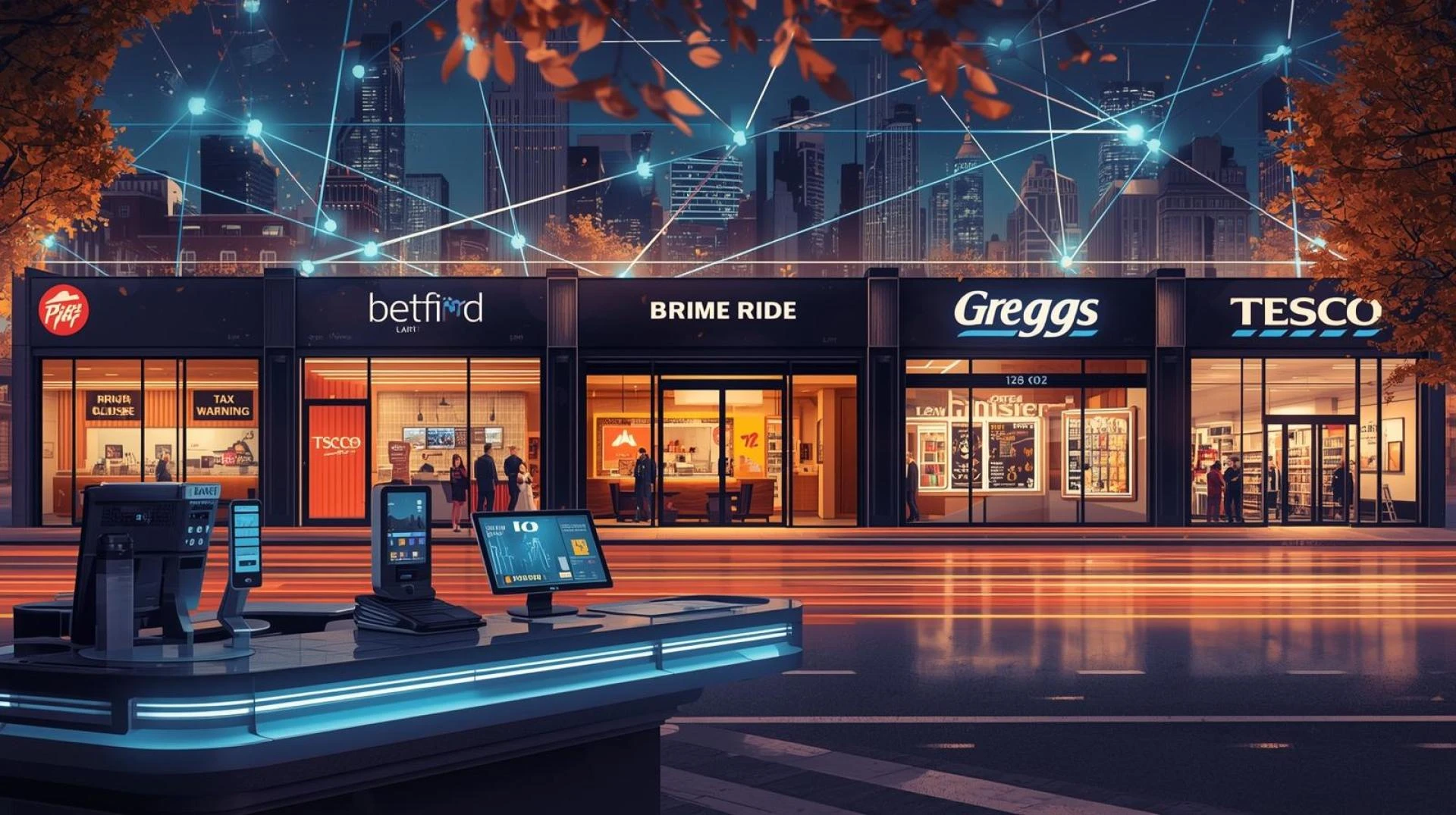
Retail and hospitality businesses in the UK are facing one of their most challenging years in recent memory. The stories dominate the headlines. Pizza Hut closures are continuing, Betfred’s warnings about tax-related closures have raised industry concerns, and Greggs is raising it’s prices to manage rising costs. Yet while some companies are tightening their belts, others are showing how technology can turn adversity into advantage.

The JLR cyberattack has revealed an uncomfortable truth. Modern carmaking is no longer just about assembly lines but about digital and financial coordination across vast networks. When Jaguar Land Rover paused production, the disruption rippled through its suppliers, unsettling confidence and cash flow. For UK automotive companies and their tier one and tier two suppliers, this incident highlighted that competitiveness now depends as much on cyber resilience and financial agility as it does on production efficiency.

JD.com’s move into the UK and Europe has changed the game for UK retailers. The Chinese giant's €2.2 billion acquisition of CECONOMY and the launch of Joybuy in London and Germany may look like big corporate moves, but in reality, they paint a vibrant image of changing consumer preferences. UK retailers are at a crossroads: they need to modernise their payment systems or risk losing Gen Z customers to competitors with better transaction experiences.
The way we shop is evolving faster than ever, and nowhere is this more evident than in the UK high street. From Primark to Claire’s, retailers are embracing new technologies to keep pace with shifting customer expectations. One of the biggest changes? How we pay.

The Bank of England’s decision to lower the interest rate to 4% was a close call, aiming to both tackle inflation and support a slowing economy and job market. This rate cut makes borrowing cheaper for businesses, giving them the chance to upgrade their payment systems, manage their cash better, and cut down on borrowing costs.

UK businesses have significantly changed the way they handle transactions, thanks to the digital revolution, with more than 95% now requiring some type of digital payment option. As consumer expectations shift to demand instant, secure, and convenient payment options, selecting the right payment solutions is crucial for business success.

The numbers are tough to swallow. Britain's high streets are seeing a record 16% of businesses empty, with one in 20 closed for over three years. The retail industry in freefall is creating significant concern, not just statistical noise. In 2024, 12,804 chain stores closed their doors on UK high streets, shopping centres, and retail parks, about 35 each day.

Think about a typical driving school scenario: monthly card processing fees hitting £800, a shortage of instructors increasing demand, and 20-week waits for tests leading to longer learning periods. Driving schools across the UK are finding that adopting strategic payment technology can turn their challenges into competitive advantages.
Smoking bans, wartime shortages, recessions, and pandemics have plagued British pubs. The issues community pubs face today are changing how they operate, forcing operators to rethink their survival strategies.

Explore what’s next for UK taxi and airport transfers in 2025: trends, payment options and challenges, to see how the industry is evolving and what that means for operators like Sarah and David.

How much money are UK property managers losing each month due to outdated operations? Most professionals we spoke to have never calculated this, but the results are eye-opening.

Have you ever been caught behind someone at a coffee shop who was frantically looking through their wallet for the "right" card? The person next to them, on the other hand, just taps their phone and walks away with their latte. That's the change in how we pay in modern times.

From e-learning to legal SaaS, companies throughout the UK are moving to recurring revenue models that call for agility, intelligence, and regulatory alignment in addition to billing automation.
As we move further into 2025, the UK’s payment landscape continues to evolve at pace. Fuelled by fintech innovation, regulatory frameworks, and changing business demands, the emphasis is shifting toward automation, integration, and real-time capabilities.
The UK’s organic health sector is entering a new era, one that extends beyond the supermarket aisle into pharmaceuticals, community economies, logistics, and financial technology.
As we move through 2025, the UK retail sector stands at a pivotal crossroads. This evolution is not simply about keeping pace with technology, it's about responding to significant shifts in consumer expectations, behaviours, and lifestyles. One consistent truth is clear: today’s shoppers seek more than just products. They crave purpose, simplicity, and genuine connection.

As you walk through cities across the United Kingdom, it’s common to see shopfronts proudly displaying their online store addresses alongside traditional signage. It’s a visible reminder of the evolving nature of British retail, where digital and physical commerce are increasingly intertwined. With UK e-commerce reaching an impressive £236 billion in 2024, the industry clearly reflects a nationwide shift towards digital-first buying habits.