

Ensuring that children with autism feel safe and comfortable at night is essential for healthy sleep and overall well-being. Many parents are exploring solutions that promote relaxation and reduce anxiety, such as weighted therapy blankets and other supportive bedding options. These tools can be incredibly effective in helping kids transition smoothly into a restful night.
Understanding the Needs of Children with Autism
Children with autism often experience heightened sensitivity to touch, noise, and changes in routine. This can make bedtime particularly challenging. Providing a consistent and calming environment is key to reducing stress. Soft, comforting bedding and structured nighttime routines can make a significant difference.
How Comfort Affects Sleep
Sleep is vital for growth, learning, and emotional regulation. Kids with autism may struggle to fall asleep due to sensory sensitivities or anxiety. Introducing calming elements, such as weighted therapy blankets, can create a soothing sensation that encourages deeper relaxation and a sense of security.
Weighted Therapy Blankets: A Gentle Hug
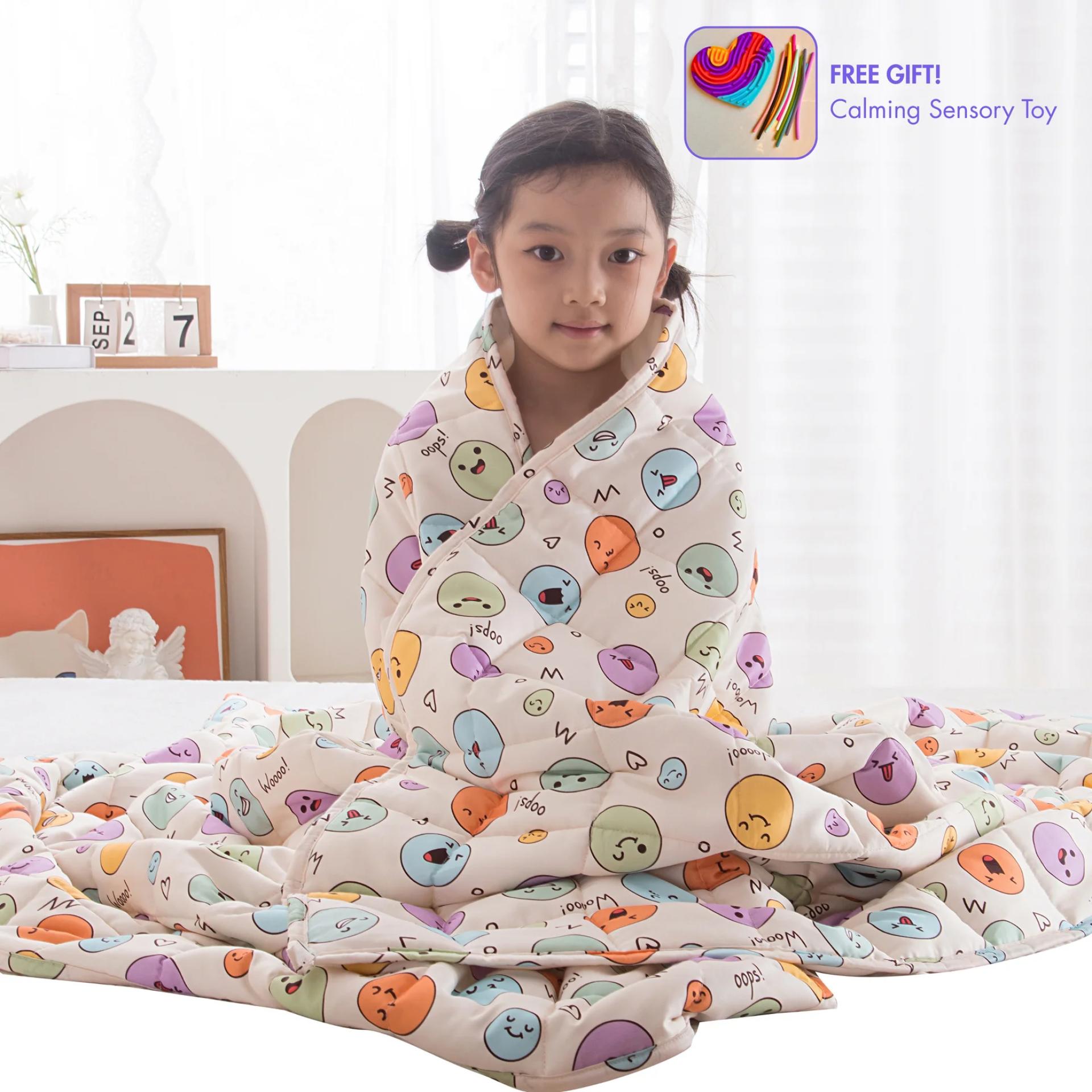
Kids weighted blankets simulate a reassuring hug by applying light, even pressure to the entire body. By lowering cortisol levels, this deep pressure stimulation can encourage relaxation and lessen restlessness during the night. When utilizing a weighted blanket, many parents report that their kids are more relaxed and eager to go to bed.
Choosing the Right Blanket
Selecting an appropriate blanket is crucial. Consider factors such as:
- Weight: Typically 5–10% of the child’s body weight
- Size: Should cover the child without restricting movement
- Material: Soft, breathable fabrics to ensure comfort
Proper selection ensures safety and maximizes the calming benefits of weighted blankets for kids.
Incorporating Routine for Better Results
The best results come from using weighted blankets in conjunction with a regular nighttime regimen. Children learn to associate bedtime with relaxation when reliable routines are established, such as turning down the lights, reading a tale, and employing relaxation techniques. This practice can eventually strengthen feelings of security and enhance the quality of sleep.
Tips for Introducing a Weighted Blanket
- Start with short periods during the day to allow your child to get used to the sensation.
- Gradually increase usage at night as your child becomes comfortable.
- Pair the blanket with other calming tools, such as soft music or gentle lighting.
These strategies make the transition smoother and encourage a positive association with sleep.
Additional Comfort Measures
Beyond weighted therapy blankets, parents can support bedtime by:
- Using blackout curtains to create a dark, calming environment
- Maintaining a consistent sleep schedule
- Limiting screen time before bed
- Encouraging relaxation techniques like deep breathing
Combining these measures with a weighted blanket helps create a safe and soothing sleep environment for children with autism.
Where to Find Quality Weighted Blankets
Superior weighted blankets are made with durability, comfort, and safety in mind. Parents should select blankets from reliable retailers that provide breathable materials and kid-friendly weight options. For instance, Auteeze weighted blankets offer a variety of choices for children that are intended to improve comfort and relaxation at night.
Conclusion
Creating a secure, calming bedtime environment is essential for children with autism. Weighted therapy blankets, when used correctly, can reduce anxiety, improve sleep quality, and help kids feel safe. By combining a comforting blanket with consistent routines and additional comfort measures, parents can support better sleep and overall well-being.




























Sign in to leave a comment.