Introduction: Addressing Substance Use Challenges in the Military Community
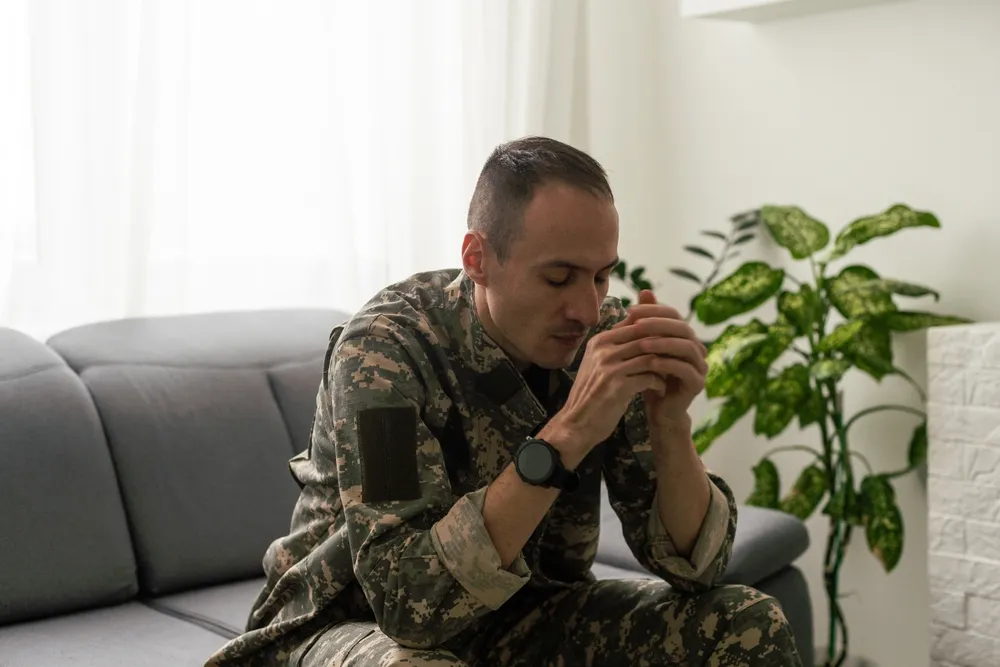
Service members and veterans often face unique pressures that can increase the risk of substance use disorders. Military life involves high-stress environments, exposure to traumatic events, and frequent transitions between deployments and civilian life. These experiences can contribute to physical injuries, emotional distress, and mental health challenges, which sometimes lead individuals to rely on drugs as a coping mechanism.
Professional military drug rehab programs are specifically designed to address the needs of active-duty personnel, veterans, and military families struggling with substance use. These programs provide structured care, medical supervision, and therapeutic support tailored to the military experience. With the right treatment and compassionate guidance, service members can overcome addiction and rebuild stability in their personal and professional lives.
Recognizing the importance of specialized care is the first step toward achieving long-term recovery.
Why Substance Use Disorders Are a Concern for Service Members and Veterans
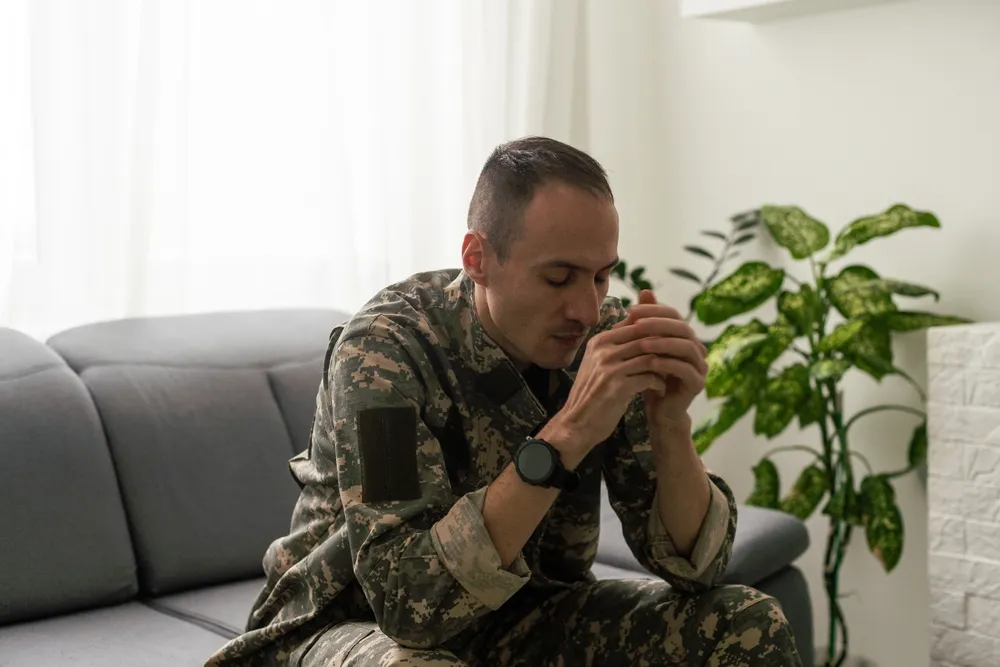
Substance use disorders within the military community are often linked to the demanding nature of service. Exposure to combat, separation from loved ones, and the challenges of reintegration into civilian life can create emotional and psychological strain. Some individuals may turn to drugs to manage pain, anxiety, insomnia, or trauma-related symptoms.
Common factors that contribute to substance use among military personnel include:
- Combat-related stress or trauma
- Chronic pain from service-related injuries
- Difficulty adjusting to civilian life after deployment
- Sleep disturbances and anxiety
- Depression or feelings of isolation
- Easy access to prescription medications
Without proper support, these challenges can lead to dependency and long-term health complications. This is why targeted treatment programs are essential for supporting recovery within the military community.
What Are Military Drug Rehab Programs?
Military drug rehab programs are specialized treatment services designed to help service members and veterans safely overcome substance use disorders. These programs combine medical care, therapy, and recovery planning in a structured environment that respects military culture and values.
Unlike general rehabilitation programs, military-focused treatment centers understand the discipline, teamwork, and resilience associated with military service. They use these strengths to support recovery and encourage positive lifestyle changes.
Most professional programs include:
- Medical detoxification and withdrawal management
- Individual and group therapy sessions
- Trauma-informed counseling
- Mental health and dual-diagnosis treatment
- Family support and education
- Aftercare and relapse prevention planning
These services work together to create a comprehensive recovery experience.
Key Features of Effective Military Drug Rehab Programs
1. Trauma-Informed Care
Many service members have experienced traumatic events during their time in the military. Trauma-informed care focuses on creating a safe environment where individuals can process these experiences without fear or judgment. Therapists use specialized techniques to help patients manage stress, anxiety, and emotional triggers.
2. Peer Support From Fellow Service Members
Connecting with others who share similar experiences can be incredibly powerful during recovery. Group therapy sessions often include fellow veterans or service members, providing a sense of camaraderie and mutual understanding that strengthens motivation and accountability.
3. Structured Treatment Environment
Military personnel are accustomed to structured routines and clear expectations. Rehabilitation programs often use organized schedules that include therapy sessions, wellness activities, and recovery education. This structure helps individuals develop discipline and maintain focus on their recovery goals.
4. Integrated Mental Health Services
Substance use disorders frequently occur alongside mental health conditions such as anxiety, depression, or trauma-related disorders. Effective programs address both issues simultaneously, ensuring comprehensive care and reducing the risk of relapse.
5. Family Involvement and Support
Family relationships play a crucial role in the recovery process. Many military drug rehab programs offer family counseling and education sessions that help rebuild trust and strengthen communication between loved ones.
Benefits of Choosing Specialized Military Drug Rehab Programs
Participating in a structured treatment program offers several advantages for service members and veterans seeking recovery. These benefits extend beyond sobriety and support long-term well-being.
Improved Physical Health
Professional treatment helps individuals safely detox from substances and restore overall health.
Emotional Stability and Resilience
Therapy sessions provide tools for managing stress, trauma, and anxiety.
Enhanced Career and Life Skills
Recovery programs often include job readiness training, financial planning, and life skills development.
Stronger Relationships and Social Support
Family counseling and peer support programs improve communication and rebuild trust.
Reduced Risk of Relapse
Structured treatment and ongoing support increase the likelihood of maintaining long-term sobriety.
How Southern California Recovery (SoCal Recovery) Supports Military Personnel and Veterans
Choosing the right treatment provider is essential for successful recovery. Southern California Recovery (SoCal Recovery) offers comprehensive programs designed to support service members and veterans facing substance use challenges.
The organization focuses on personalized care, evidence-based therapies, and a supportive healing environment that respects the experiences of military personnel. Treatment plans are tailored to address both addiction and underlying mental health concerns, ensuring a well-rounded recovery approach.
Key strengths of professional providers like Southern California Recovery (SoCal Recovery) include:
- Veteran and military-focused treatment programs
- Individualized recovery plans
- Safe and structured treatment environment
- Experienced clinical and counseling staff
- Long-term aftercare and relapse prevention services
These services help service members regain confidence, rebuild relationships, and successfully transition into a healthier lifestyle.
Signs That a Service Member May Need Professional Help
Recognizing the warning signs of substance use disorders can help individuals seek treatment before the situation worsens. Service members or veterans should consider professional help if they:
- Use drugs frequently or in increasing amounts
- Experience withdrawal symptoms when not using
- Struggle to manage stress or emotions
- Notice declining physical or mental health
- Have difficulty maintaining relationships or employment
- Have attempted to quit but relapsed
Early intervention can significantly improve recovery outcomes and prevent long-term health complications.
Conclusion: Supporting Service Members on the Journey to Recovery
Service members and veterans dedicate their lives to protecting others, and they deserve access to compassionate and effective treatment when facing substance use challenges. Professional military drug rehab programs provide the structure, medical care, and therapeutic guidance needed to overcome addiction and rebuild stability.
With specialized support and experienced professionals, organizations like Southern California Recovery (SoCal Recovery) help military personnel and veterans achieve lasting recovery and move forward with confidence. Recovery is possible, and the right treatment program can make all the difference.











Sign in to leave a comment.