
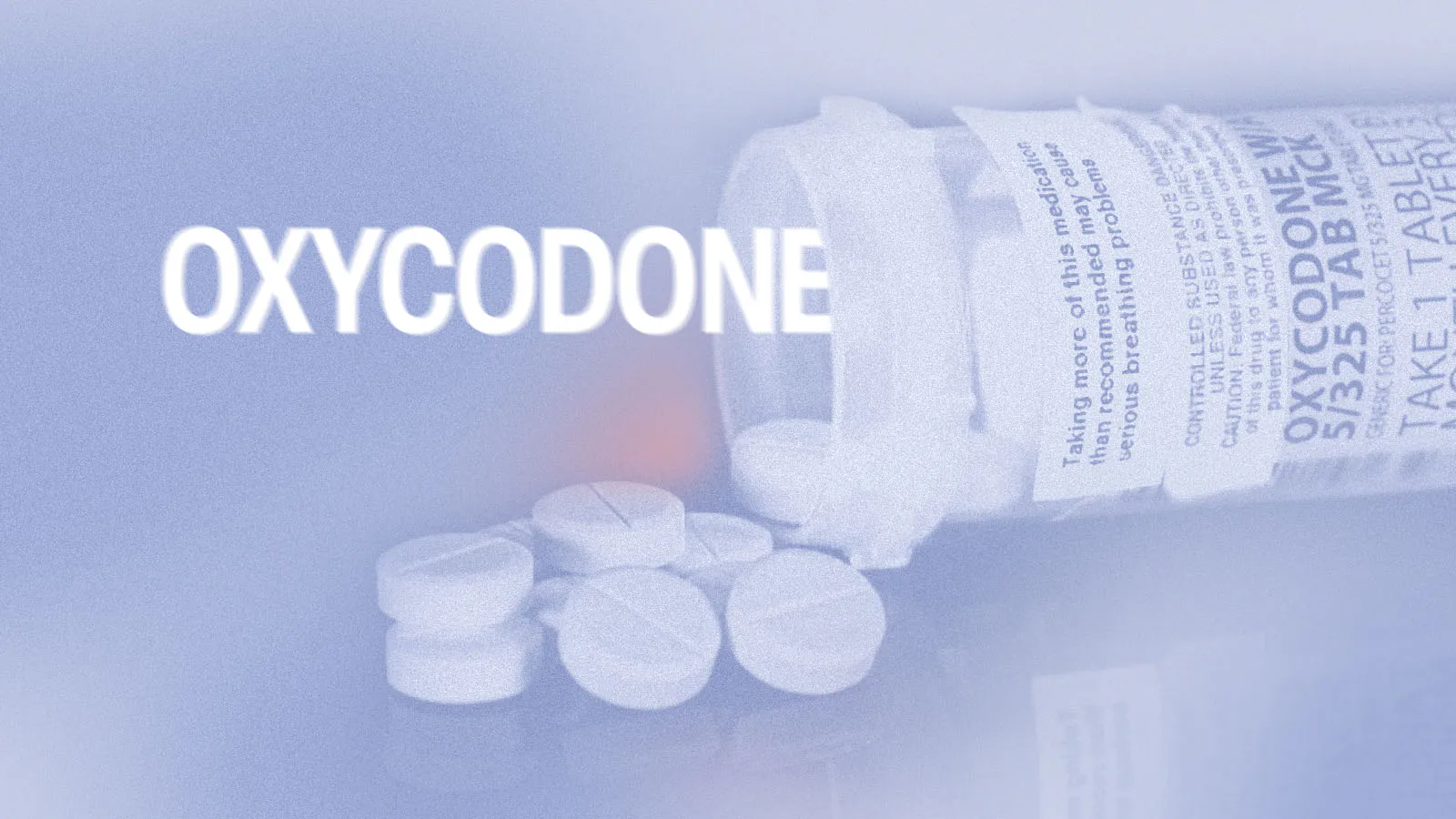
Substance dependence continues to affect individuals and families across California, yet many people delay or avoid seeking help due to confusion, fear, or misinformation. Whether someone is dealing with alcohol misuse, opioid dependency, or needs prescription pill addiction treatment, the path to recovery often feels overwhelming at first. Understanding the key obstacles to getting proper care can help individuals take informed, confident steps toward healing.
This guide explores the most common challenges Californians face when seeking substance abuse recovery services and how to overcome them.
Understanding Dependence and Why Early Care Matters
Dependence develops when the body and brain adapt to a substance, leading to withdrawal symptoms and compulsive use. Over time, tolerance increases, and the risk of physical and mental health complications grows.
In California, access to addiction treatment programs exists, but recognizing the need for substance abuse recovery is often the first hurdle. Many individuals minimize their symptoms or believe they can manage alone. Unfortunately, untreated dependency can lead to:
- Worsening mental health disorders
- Strained family and work relationships
- Legal and financial issues
- Increased risk of overdose
Early intervention through structured rehabilitation services significantly improves recovery outcomes.
Key Obstacles to Getting Proper Care in California
1. Stigma Around Addiction
Despite growing awareness, stigma remains a major barrier. Many individuals fear judgment from employers, family, or their community. Substance use disorder is still misunderstood as a lack of willpower rather than a medical condition requiring professional treatment.
This stigma often prevents people from exploring detox programs, residential rehab, or outpatient recovery services.
Solution: Education and confidential treatment options help reduce fear. Licensed facilities protect patient privacy and provide non-judgmental care environments.
2. Confusion About Treatment Options
California offers various levels of care, including:
- Medical detox programs
- Residential treatment centers
- Partial hospitalization programs (PHP)
- Intensive outpatient programs (IOP)
- Medication-assisted treatment (MAT)
However, many people do not understand which addiction treatment program fits their needs. For example, someone dependent on opioids may benefit from medication-assisted treatment, while another person may require dual diagnosis care for co-occurring mental health conditions.
Without professional assessment, individuals may choose the wrong level of substance abuse treatment and relapse quickly.
3. Financial Concerns and Insurance Barriers
Cost is one of the most cited reasons people avoid addiction recovery services. Although California has insurance mandates covering substance use disorder treatment, navigating benefits can feel complex.
Common concerns include:
- Does insurance cover detox?
- What are out-of-pocket costs?
- Is outpatient rehab more affordable than residential treatment?
The reality is that many evidence-based addiction treatment programs are partially or fully covered under health insurance plans. Treatment centers often provide insurance verification to clarify coverage before admission.
4. Co-Occurring Mental Health Conditions
Many individuals struggling with substance dependence also face anxiety, depression, PTSD, or ADHD. In some cases, substance misuse begins as self-medication.
For example, people frequently search topics like “does adderall help with anxiety” when trying to understand how medications affect mental health. This highlights a larger issue—misunderstanding prescription use can sometimes lead to dependence or misuse without proper supervision.
Dual diagnosis treatment is essential in these situations. Treating only substance use without addressing underlying mental health disorders increases relapse risk.
5. Fear of Withdrawal Symptoms
Withdrawal symptoms can be physically and emotionally intense. Individuals dependent on opioids, benzodiazepines, or alcohol often delay seeking help due to fear of:
- Severe anxiety
- Insomnia
- Nausea and vomiting
- Muscle pain
- Cravings
Medical detox programs provide supervised care to manage withdrawal safely. With proper monitoring and medication support, symptoms become more manageable and significantly safer.
How to Identify Quality Addiction Treatment Programs in California
Choosing the right recovery center is crucial. When evaluating substance abuse treatment facilities, consider the following:
Accreditation and Licensing
Ensure the center is licensed in California and follows state regulations.
Evidence-Based Therapies
Effective programs use clinically proven methods such as:
- Cognitive Behavioral Therapy (CBT)
- Dialectical Behavior Therapy (DBT)
- Medication-Assisted Treatment
- Trauma-informed care
Individualized Treatment Plans
Recovery is not one-size-fits-all. Personalized care improves long-term success rates.
Aftercare and Relapse Prevention
Sustained sobriety requires continued support through outpatient programs, support groups, and relapse prevention planning.
The Role of Family in Recovery
Family involvement plays a significant role in substance abuse recovery. Many California treatment centers offer:
- Family therapy sessions
- Education programs
- Communication skills training
Addiction affects the entire household, and healing relationships can strengthen long-term recovery outcomes.
Addressing Common Pain Points
People seeking addiction treatment often share similar concerns:
- “What if I relapse?”
- “Will I lose my job?”
- “How long does rehab take?”
- “What if treatment doesn’t work for me?”
Relapse is not failure; it can be part of the recovery journey. Modern addiction treatment programs focus on long-term relapse prevention, coping skills, and emotional regulation to support sustainable recovery.
Employment protections under federal and state laws may apply to individuals seeking medical treatment for substance use disorders. Additionally, rehab programs vary in length—some last 30 days, while others extend to 60 or 90 days depending on clinical needs.
Why California Residents Delay Seeking Help
Even with available resources, many Californians wait until a crisis occurs. Common triggers for finally seeking care include:
- Health emergencies
- Legal issues
- Family intervention
- Job loss
The earlier someone enters a structured recovery program, the higher the likelihood of successful outcomes. Waiting often intensifies both physical dependence and psychological distress.
Frequently Asked Questions (FAQs)
1. How do I know if I need professional addiction treatment?
If you experience withdrawal symptoms, increased tolerance, failed attempts to quit, or continued use despite negative consequences, professional evaluation is recommended.
2. Is detox always required before rehab?
Not always. Detox is necessary when physical dependence is present. A clinical assessment determines whether medical detox is needed before entering a rehabilitation program.
3. Does insurance cover substance abuse treatment in California?
Most insurance plans provide coverage for addiction treatment services under behavioral health benefits. Coverage levels vary, so verification is important.
4. Can I continue working while receiving treatment?
Outpatient programs allow flexibility for work and family commitments. Residential treatment may require temporary leave, but legal protections may apply.
5. What happens after completing rehab?
Aftercare planning includes outpatient therapy, peer support groups, relapse prevention strategies, and continued mental health support to maintain sobriety.
Taking the First Step Toward Recovery
Dependence can feel isolating, but effective, compassionate care is available throughout California. Overcoming stigma, understanding treatment options, and addressing financial concerns are critical steps toward healing.
Seeking help early reduces health risks and increases the likelihood of long-term recovery success. If you or a loved one is facing substance dependence, professional guidance can clarify options and create a personalized recovery plan.
Southern California Recovery provides evidence-based addiction treatment programs designed to address both substance use and co-occurring mental health conditions in a supportive, confidential setting. Reaching out for information can be the first and most important step toward lasting change.



























Sign in to leave a comment.