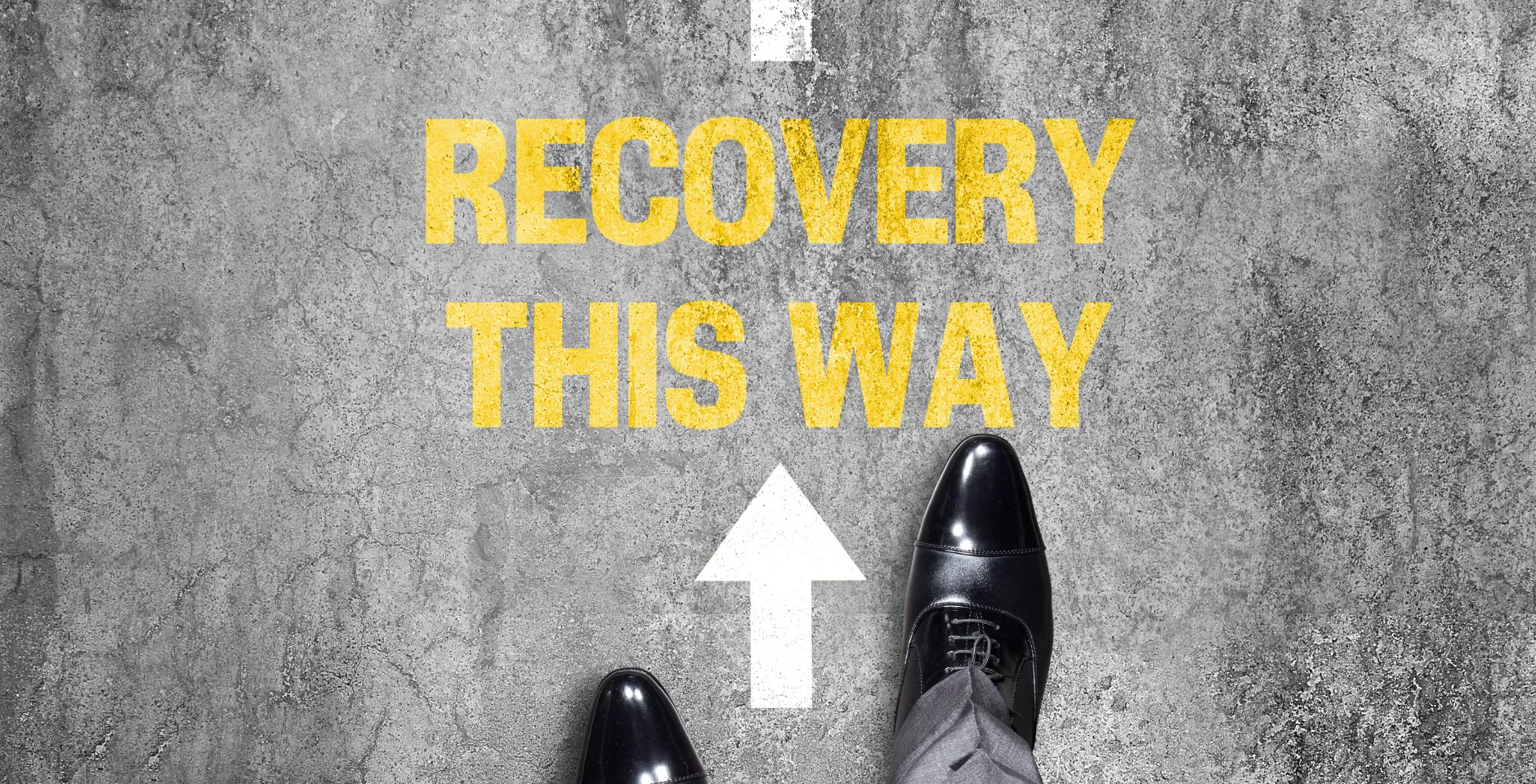

You did it. You finished rehab. That is a big deal — and you should be proud of yourself.
But here is something nobody really talks about: leaving rehab can be just as hard as going in. You walk out the front door, and suddenly the real world is right there in front of you. Old places. Old faces. Old habits trying to creep back in.
This is exactly why recovery houses matter so much.
The Gap Between Rehab and Real Life
Think of rehab like a cast on a broken arm. It holds everything in place while you heal. But the moment the cast comes off, your arm is still fragile. It needs time, care, and support before it is truly strong again.
Recovery is the same way.
When someone finishes addiction treatment, they are not fully healed. They are healing. And that is a huge difference. Going straight from rehab back home — especially if home has stress, triggers, or the wrong people around — can make staying sober feel almost impossible.
A recovery house fills that gap. It is the bridge between treatment and real life.
What Is a Recovery House, Anyway?
A recovery house is a safe, sober place to live after rehab. It is not a hospital. It is not a halfway house from the movies. It is a real home, shared with other people who are also working on their sobriety.
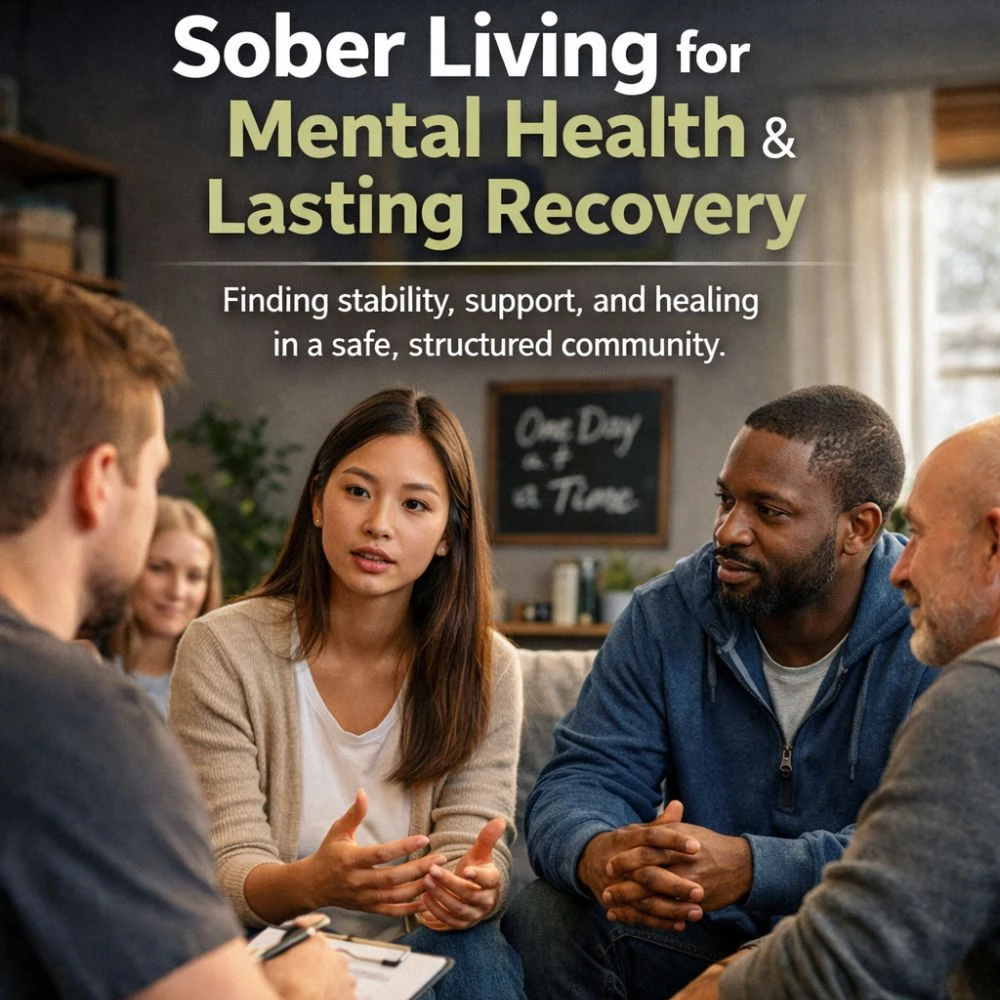
There are house rules — things like no drugs or alcohol, attending meetings, and doing your share around the house. But beyond the rules, it is a community. A place where people actually get what you are going through, because they are going through it too.
You get your own space to breathe, but you are never alone.
Why Recovery Houses Work
1. Structure keeps you on track
When you are fresh out of treatment, too much free time can be dangerous. A recovery house gives your day shape and purpose. You wake up, you have responsibilities, you check in with your housemates. That routine matters more than most people realize.
2. You are surrounded by people who understand
Isolation is one of the biggest risks in early recovery. At a recovery house, you are living with people who have been where you are. They will not judge you. They will push you forward. On the days when everything feels hard, having someone nearby who just gets it — that can make all the difference.
3. Triggers are reduced
Going back to an environment full of stress, bad memories, or people connected to past drug use is risky in early recovery. A recovery house gives you a clean, calm space away from those triggers. It lets you build new habits and new memories before you face the old ones.
4. Accountability is built in
It is easy to slip when no one is watching. In a recovery house, people notice when you are struggling. House managers check in. Housemates look out for each other. That gentle accountability — knowing someone cares — helps you stay honest with yourself.
5. You learn how to live again
Addiction takes a lot from people. It takes jobs, relationships, routines, and confidence. Recovery houses help you rebuild all of that slowly and safely. You learn how to pay bills, manage your time, hold down a job, and be part of a community again — all while staying sober.
The Numbers Back It Up
Research shows that people who spend time in a recovery house after treatment are far more likely to stay sober long-term. They are more likely to find work. They are more likely to repair relationships. They are more likely to build a life they actually want to live.
That is not a small thing. That is everything.
You Do Not Have to Do This Alone
A lot of people think asking for help is a sign of weakness. It is not. It is actually one of the bravest things a person in recovery can do.
Recovery houses exist because staying sober is hard, and nobody should have to white-knuckle their way through it alone. You have already done the hardest part by getting through treatment. Now it is about protecting that progress and giving yourself the best possible chance at a real, lasting recovery.
The right recovery house is not just a place to sleep. It is a place where your new life begins.


























Sign in to leave a comment.