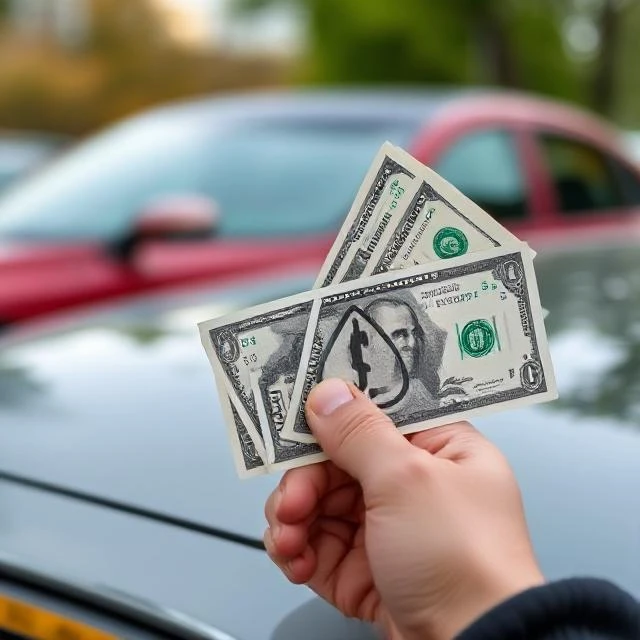

Auto fraud can feel like a punch to the gut—whether you’ve been sold a lemon, misled about vehicle history, or pressured into signing deceptive paperwork. The good news? There are legal steps you can take to reclaim your money and hold the seller accountable. This guide walks you through the process of getting a refund after falling victim to auto fraud.
First, gather all the evidence related to the transaction. This includes the sales contract, any written communication with the seller, advertisements, payment records, and photos of the vehicle’s condition. If the seller made specific claims that turned out to be false—like low mileage, accident-free status, or “certified” condition—document how those claims are untrue. The more proof you have, the stronger your case will be.
Next, try contacting the seller directly. While this may seem futile if fraud has occurred, many dealerships or private sellers might offer a partial refund, repair, or trade-in to avoid legal consequences or damage to their reputation. When you reach out, keep it professional and detailed. A formal complaint letter outlining your demands and the fraudulent practices used can sometimes be enough to prompt a resolution.
If that doesn’t work, file a complaint with your local consumer protection agency or the state attorney general’s office. They often have departments that handle auto fraud, and some states even have “lemon laws” that protect buyers from defective or fraudulently sold vehicles. You can also report the issue to the Better Business Bureau or your local DMV. These complaints may pressure the seller to resolve the issue.
Should the seller remain uncooperative, it’s time to consult with a consumer protection attorney. Many offer free consultations and can quickly assess the strength of your case. If your claim is solid, the attorney might suggest filing a lawsuit for breach of contract, misrepresentation, or fraud. If the court sides with you, you could be awarded a refund, legal fees, and even additional damages in some cases.
Alternatively, if the amount in question is relatively small, small claims court could be an efficient route. These courts handle disputes without the need for expensive legal representation. Present your evidence, be clear and concise, and let the judge determine the refund owed. Each state has its own limit for small claims, so check the rules before proceeding.
While dealing with auto fraud is frustrating, understanding the refund process empowers you to fight back. Stay organized, act quickly, and don’t hesitate to approach an Auto Fraud Attorney Washington if things escalate. With persistence and the right steps, you can turn a bad deal into a cautionary tale—with a happy ending and your money back in hand.























Sign in to leave a comment.