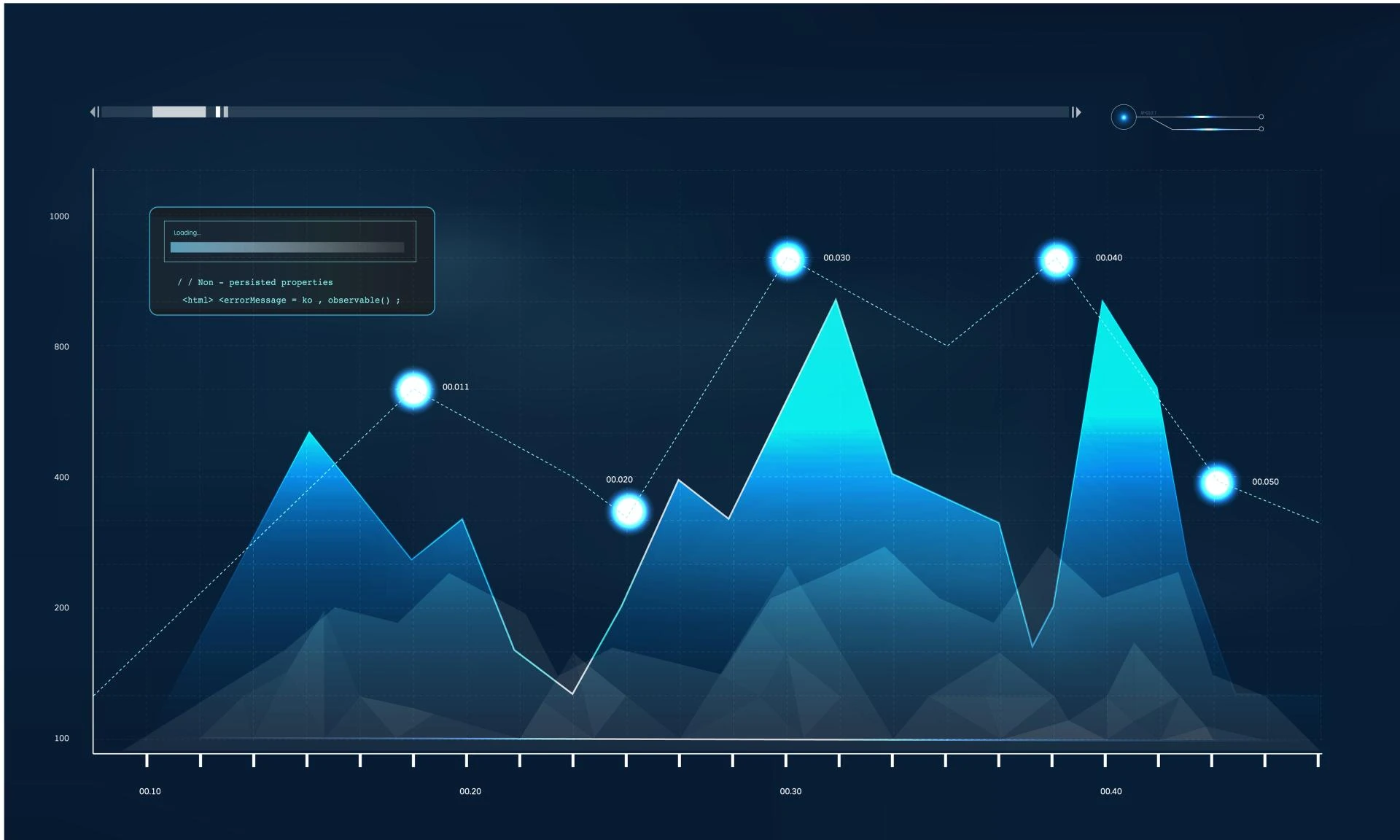

In real estate and investment, knowing how your assets stack up against the market can make all the difference. Market comparison analysis helps you understand property values, rental rates, and emerging opportunities, but doing it manually?
Time-consuming, error-prone, and often outdated by the time you finish. That’s where AI and big data step in, acting like a virtual CRE analyst and transforming the way investors and agents make decisions.
Understanding Market Comparison Analysis
Market comparison analysis is all about benchmarking, comparing one property or asset against similar ones in the market. Investors use it to price properties, evaluate potential deals, and forecast returns. Traditionally, this meant hours of spreadsheets, reports, and phone calls. Now, automated tools can do this in minutes, giving you a real-time, accurate view of the market.
The Role of AI and Big Data in Market Analysis
AI and big data do more than speed up analysis, they uncover patterns humans might miss. Hi, I’m Leni, your AI business analyst. I use real estate analytics to scan thousands of properties, historical trends, and market conditions simultaneously.
Big data frameworks handle massive datasets, while AI predicts trends, detects anomalies, and even spots upcoming opportunities. This combination means you get insights faster, more accurately, and in a way that’s actionable.
Key Tools for Automated Market Comparison
1. AI-Powered Analytics Platforms: Tools like Google Cloud AI, IBM Watson, and DataRobot allow me, as your virtual CRE analyst, to process complex datasets, predict trends, and highlight the opportunities worth focusing on.
2. Big Data Frameworks: Apache Hadoop, Spark, and Snowflake store and process vast amounts of information, enabling me to handle everything from citywide trends to individual property data efficiently.
3. Visualization & BI Tools: Platforms such as Power BI, Looker, and me (Leni) turn raw numbers into dashboards that are easy to read and interpret. I can generate insights that make sense at a glance, helping you make faster decisions.
4. API Integrations: Connecting live data streams ensures I have the most current information at all times. Using real estate analytics, I can monitor rent changes, market shifts, or emerging investment opportunities in real time.
How AI Automates the Market Comparison Workflow
Here’s what I can do when I automate market comparisons:
1. Instant Benchmarking: I can compare multiple assets across markets instantly, giving you a clear picture of where each stands.
2. Trend Detection: I notice patterns before they become obvious, helping you invest ahead of the curve.
3. Anomaly Alerts: As your virtual CRE analyst, I flag unusual pricing, underperforming properties, or hidden risks that could impact your portfolio.
4. Predictive Insights: I project future performance using historical and real-time data, so you can plan confidently.
5. Automated Reports: I generate summaries and visual dashboards that save you hours of manual work.
Implementation Roadmap for Businesses
If you’re thinking about integrating AI and big data for market comparisons, here’s a simple roadmap I suggest:
1. Identify Key Metrics: Decide what you need to track, rent, price per square foot, vacancy rates, or other KPIs, using real estate analytics.
2. Collect and Consolidate Data: Pull together internal data, public records, and market reports. I can help connect these sources automatically.
3. Select the Right Tools: Choose analytics platforms, BI dashboards, and integration tools that fit your workflow.
4. Run Pilot Analyses: Start with a small set of properties to test accuracy and usability.
5. Scale and Automate: Expand across your portfolio and let me continuously monitor, analyze, and report.
Conclusion
Manual market comparison analysis is no longer sufficient in a fast-moving real estate market. By combining AI with big data, I can use real estate analytics to help investors, agents, and operators move faster, reduce errors, and make smarter decisions. From instant benchmarking to predictive insights, automation allows you to focus on strategy rather than spreadsheets.
If you want to see the difference AI can make in your workflow, Try Me Now!




























Sign in to leave a comment.