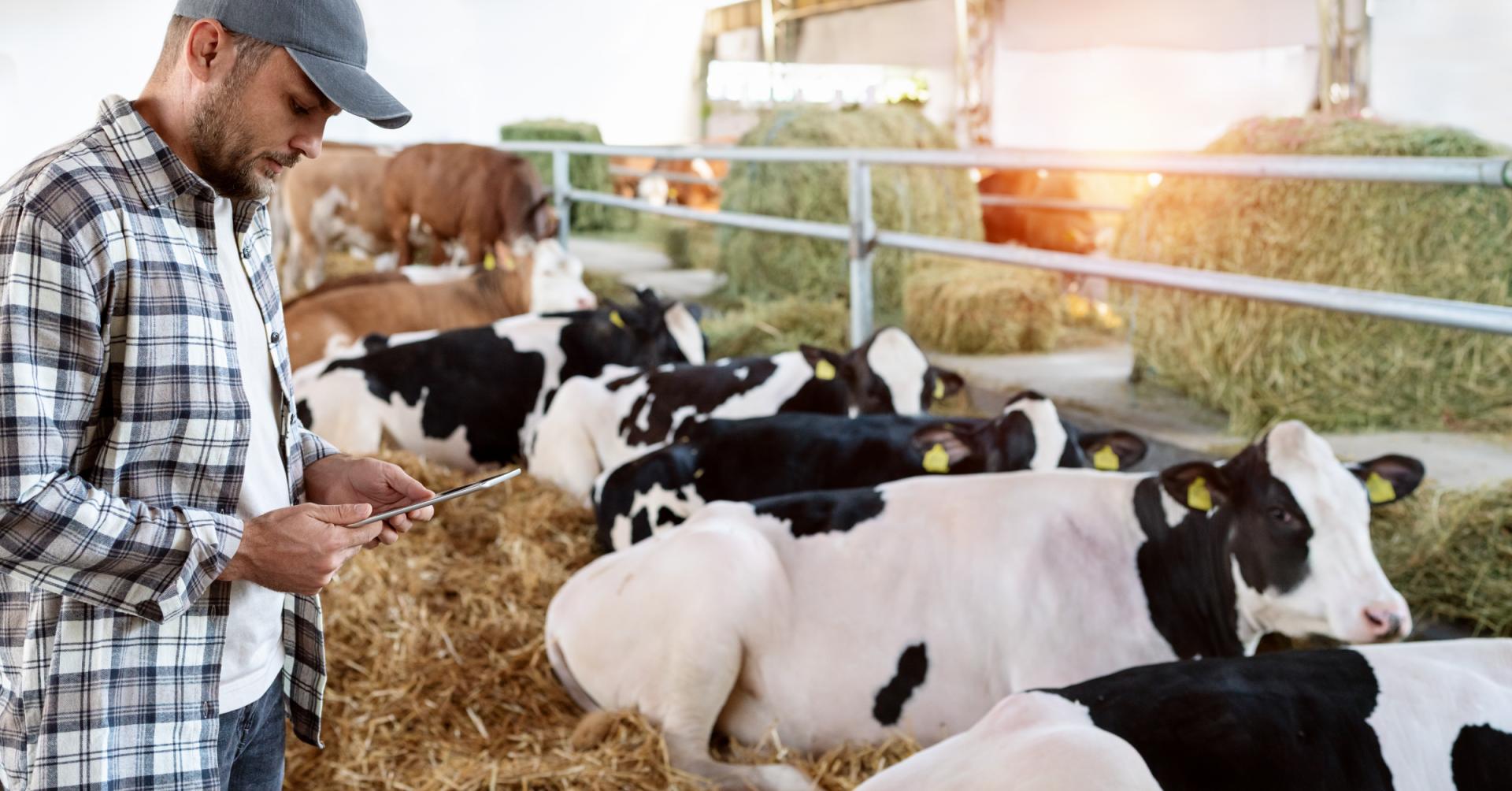

The cattle industry has always thrived on progress: new breeding techniques, better feed formulas, and stronger disease prevention. Today, one of the most significant changes reshaping feedlots is the rise of technology-driven management. By automating key tasks, producers are cutting costs, improving animal care, and meeting the demands of a fast-evolving market.
With labor expenses climbing, regulations tightening, and the need for efficiency growing, feedlots are turning to smart tools to stay competitive. From precise feeding systems to real-time health tracking, feedlot management software for agri-business allows ranchers to achieve more with fewer resources while prioritizing animal well-being.
At the heart of this transformation is management software, a central hub that ties operations together, tracks performance, and drives smarter decisions.
What Does Automation Look Like in Feedlots?
Feedlot automation uses technology to simplify and improve daily operations. This can include:
- Systems that deliver feed and water on schedule
- Sensors and wearables to monitor animal health
- Tags for tracking movement and identity
- Scales and gates that sort cattle automatically
- Digital tools for record-keeping and analyzing data
These aren't just time-savers. They create reliable, scalable systems that help feedlots thrive in a demanding industry.
Why Automation Matters
1. Less Manual Work, More Savings
Automation takes over repetitive tasks like mixing feed, delivering rations, or weighing cattle, jobs that once required hours of hands-on effort. Now, a small team can oversee what used to demand a full crew. For example, programmed feeders blend and distribute custom rations at set times, reducing the need for extra staff and lowering payroll costs.
2. Precision That Pays Off
Machines don't skip steps or make mistakes. Automated systems measure feed portions exactly, record weights accurately, and track health data consistently. This precision leads to healthier cattle, fewer errors, and better overall results, whether it's avoiding overfeeding or catching issues early.
3. Healthier Cattle, Lower Losses
Technology spots problems before they escalate. Wearable devices or tags can track a cow's temperature, activity, or eating habits in real time. If something's off, like reduced feeding or sluggish movement, the system alerts the team, often before the animal shows clear signs of illness. This early warning system cuts down on vet bills, medication costs, and losses.
4. Data That Drives Decisions
Modern feedlot software pulls together information from across the operation (feed schedules, health updates, weight gains, and supplies) into a single, easy-to-read dashboard. Managers can use this to:
- Tweak rations based on how cattle are growing
- Spot animals that aren't performing
- Plan feed orders with confidence
- Meet regulatory requirements effortlessly
Clear data leads to sharper choices and stronger profits.
Tools Transforming Feedlots
Here's a closer look at the technologies making a difference:
1. Smart Feeding Systems
Feed delivery is now highly automated. Machines calculate the right mix of nutrients for each group of cattle based on their age, weight, or breed, then deliver it through conveyors or robotic carts. Some even adjust portions based on weather or pen size, reducing waste and ensuring cattle digest feed efficiently.
2. Health Monitoring with Sensors
Devices like collars or ear tags keep tabs on each animal around the clock, collecting data on temperature, steps, or eating patterns. If a cow's behavior changes, the system flags it immediately, allowing quick action to prevent or treat illness.
3. Tracking and Sorting with Tags
Tags equipped with radio-frequency identification (RFID) store each animal's details: ID, weight, health history, and movements. As cattle move through gates or scales, the system logs data or directs them to the right place, like a treatment area or finishing pen, without manual sorting.
4. Cleaner Pens, Healthier Herds
Automated waste systems keep pens clean by scraping or flushing manure on a schedule. Cleaner environments mean fewer diseases and healthier cattle. Some setups even turn waste into usable products like fertilizer or energy.
The Challenges of Going Automated
Automation brings clear advantages, but it's not without obstacles:
- Upfront Costs: The price of new equipment or software can be steep, especially for smaller operations.
- System Setup: Getting different tools to work together smoothly takes planning and expertise.
- Learning Curve: Staff need training to operate and maintain new systems, and some may hesitate to adapt.
Over time, though, the savings and improved results often make the investment worthwhile.
The Power of Management Software
The backbone of any automated feedlot is software that brings everything together. These platforms let producers:
- Store all data in one place
- Set up automatic alerts for health or performance issues
- Plan feed and medication needs
- Monitor results across multiple pens or locations
- Meet traceability and safety standards
With cloud-based access and mobile-friendly interfaces, managers can check on operations or make decisions from anywhere, saving time and travel.
Why Automation Is the Future
Automation in feedlots isn't a distant idea, it's happening now, and leading operations are already reaping the rewards. By reducing reliance on manual labor, improving cattle health, and ensuring compliance, technology gives producers an edge that traditional methods can't match.
Whether you manage a small ranch or a large commercial feedlot, adopting smart tools and reliable software sets the stage for growth and profitability. As the industry faces pressure to produce more with less, automation isn't just an option, it's essential.
























Sign in to leave a comment.