

Employee learning has evolved rapidly as organizations adapt to new technologies, shifting workforce expectations, and increasing skill demands. Traditional training approaches—such as classroom lectures, static presentations, and generic e-learning modules—often struggle to keep employees engaged or prepared for real-world challenges. In this changing environment, a vr training company is transforming how employees learn by introducing immersive, interactive, and experiential learning models that align more closely with modern workplace realities.
1.The Shift From Passive to Experiential Learning
For decades, corporate learning relied heavily on passive content consumption. Employees were expected to absorb information through slides, manuals, or videos and then apply it on the job. However, studies consistently show that passive learning leads to low retention and limited behavior change.
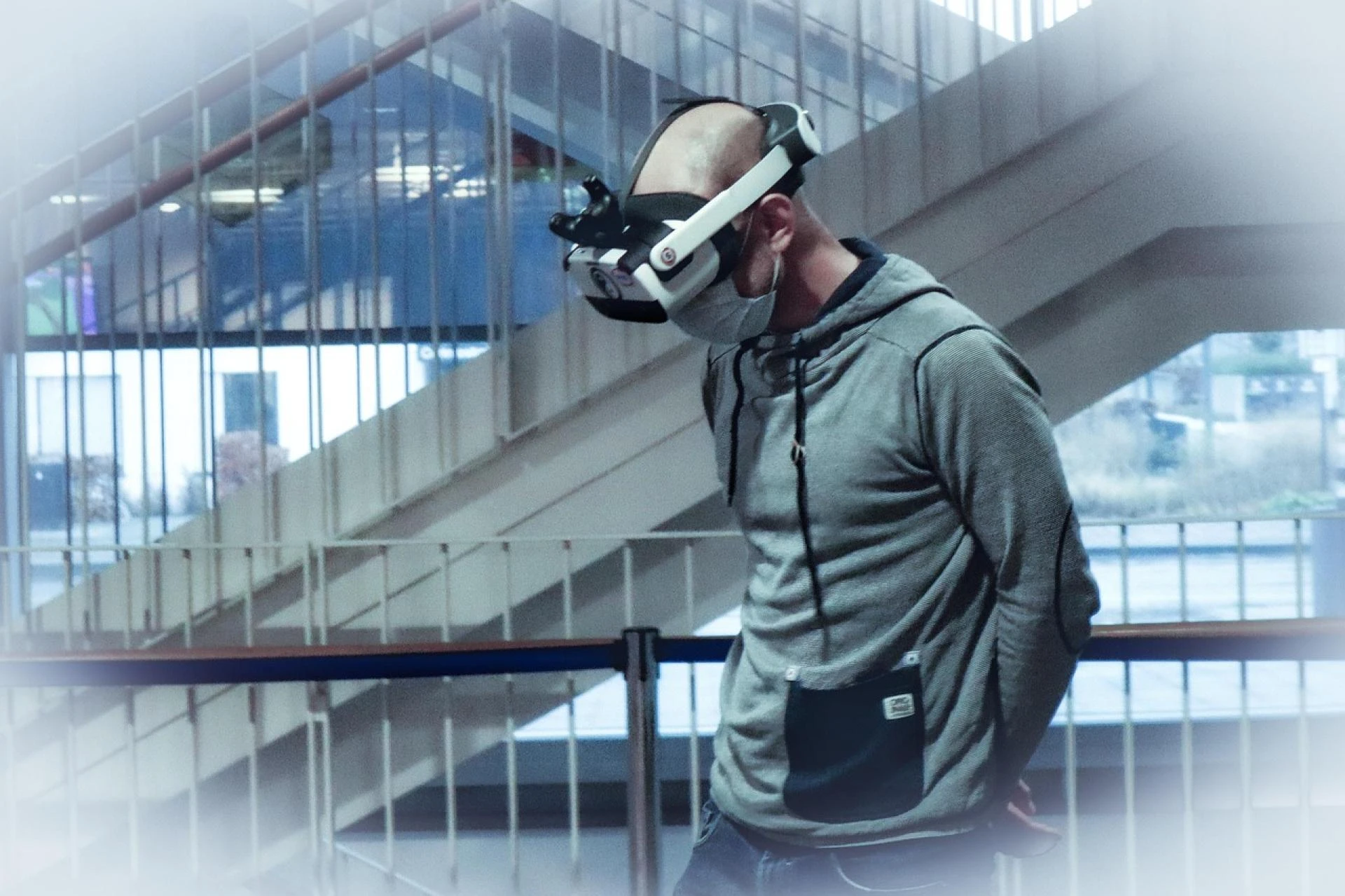
VR training replaces this model with experiential learning. Employees are placed inside realistic virtual environments where they actively perform tasks, make decisions, and experience outcomes. This “learning by doing” approach helps learners internalize concepts more effectively and apply them with confidence in real-world situations.
2.Creating Realistic, Job-Specific Scenarios
One of the most impactful ways VR training companies are changing learning experiences is through realistic simulations tailored to specific roles. Instead of generic content, VR modules can replicate actual workplaces, tools, and challenges employees face every day.
Whether it’s practicing customer interactions, operating complex machinery, performing technical procedures, or navigating safety-critical situations, VR allows employees to rehearse their responsibilities in a controlled environment. This realism bridges the gap between theory and practice, making training more relevant and practical.
3.Improving Engagement and Focus
Employee engagement is a major challenge in corporate training. Many learners view training as a routine obligation rather than a meaningful opportunity for growth. VR changes this perception by creating immersive experiences that capture attention and reduce distractions.
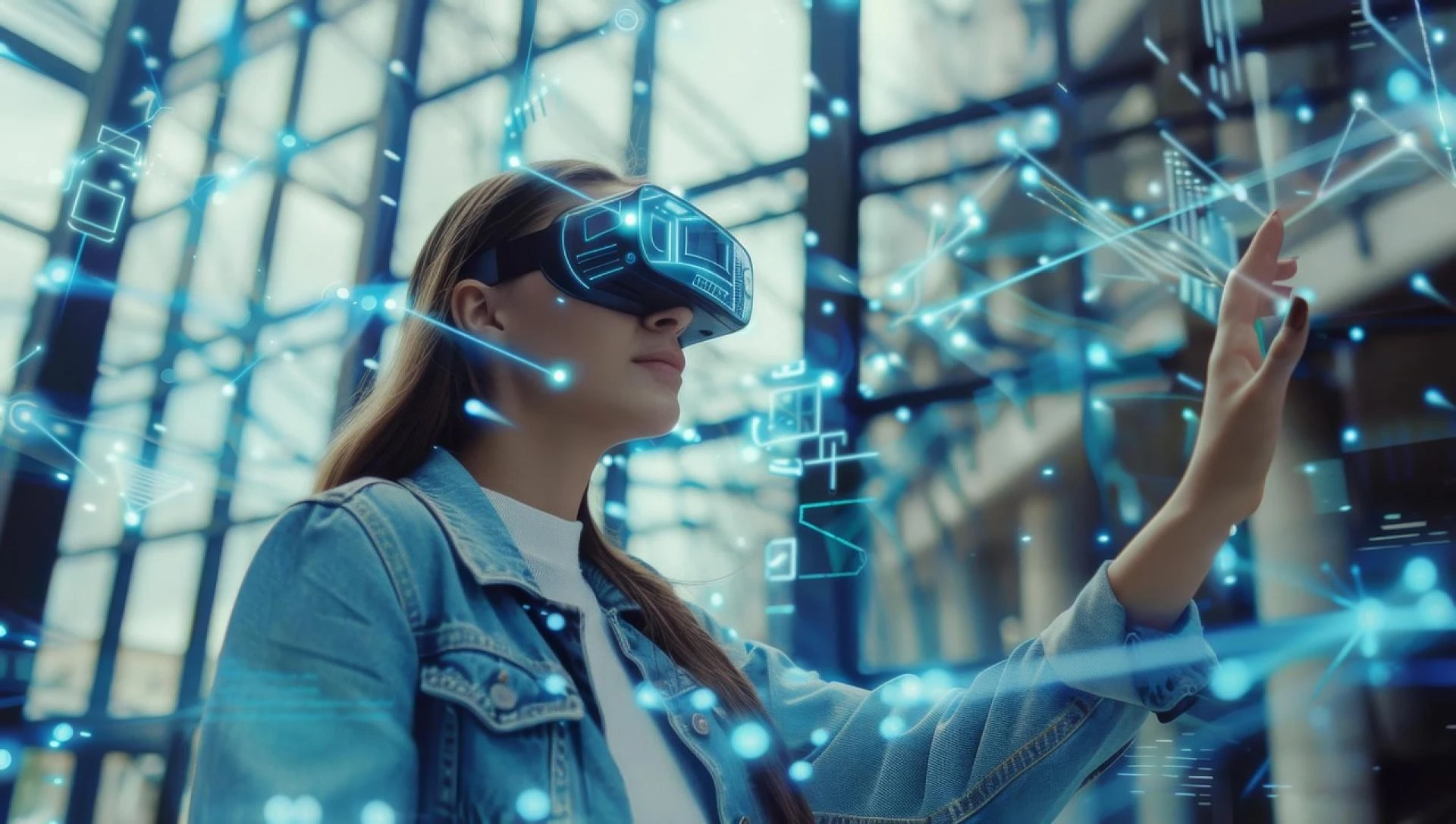
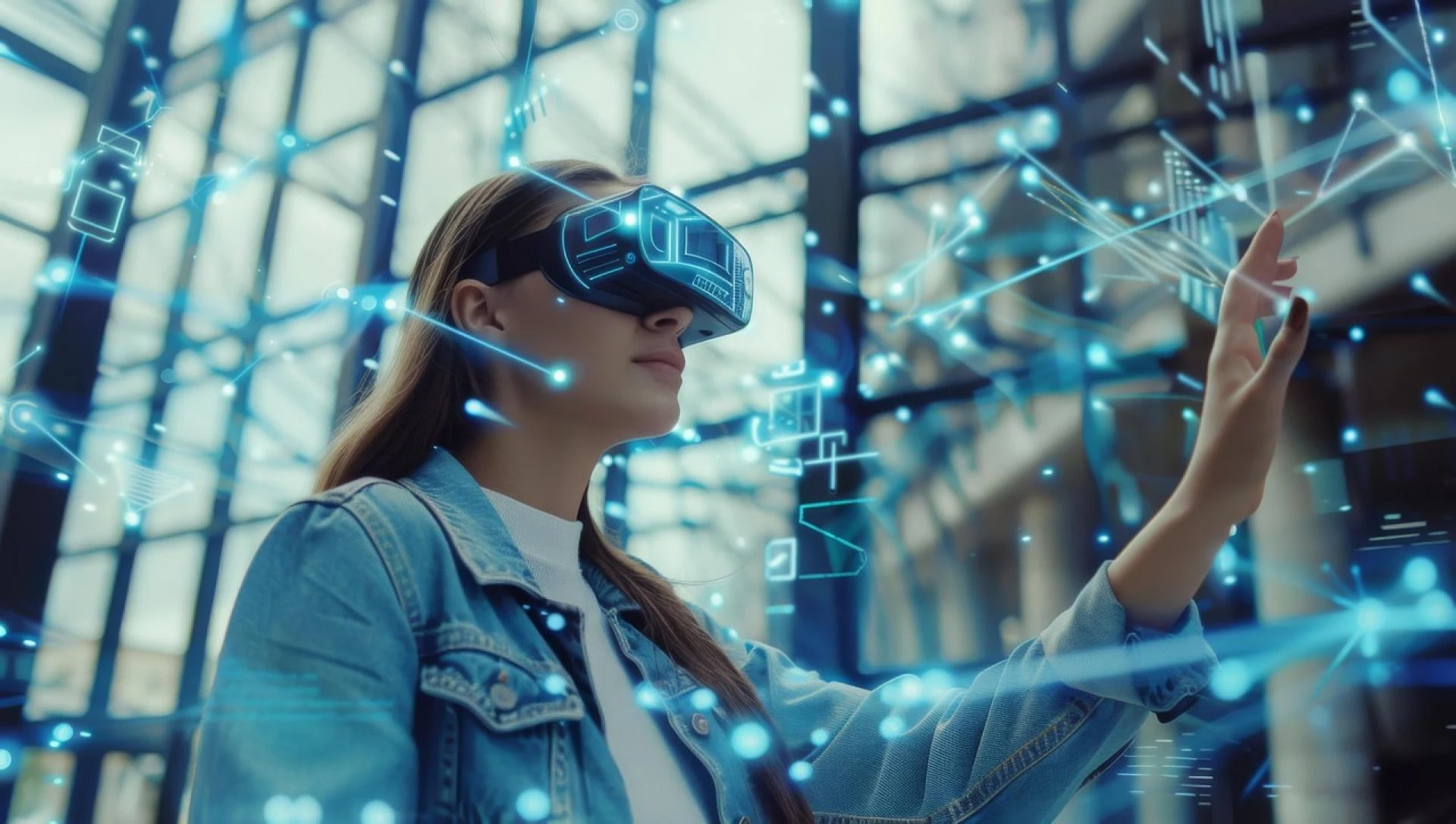
When employees wear a VR headset, they are fully immersed in the learning environment. Interactive elements, scenario-based challenges, and real-time feedback keep learners actively involved. This higher level of engagement often leads to better completion rates, stronger motivation, and more positive attitudes toward learning.
4.Supporting Faster Skill Development
Modern organizations need employees to become productive quickly, especially in roles that require complex skills. Traditional training methods can be slow, requiring long onboarding periods and extensive supervision.
VR training accelerates skill development by allowing employees to practice repeatedly without real-world consequences. Learners can rehearse tasks until they achieve proficiency, receive instant feedback, and refine their performance. This repetition builds muscle memory and confidence, helping employees reach competency faster than conventional training methods.
5.Safe Learning for High-Risk and Complex Tasks
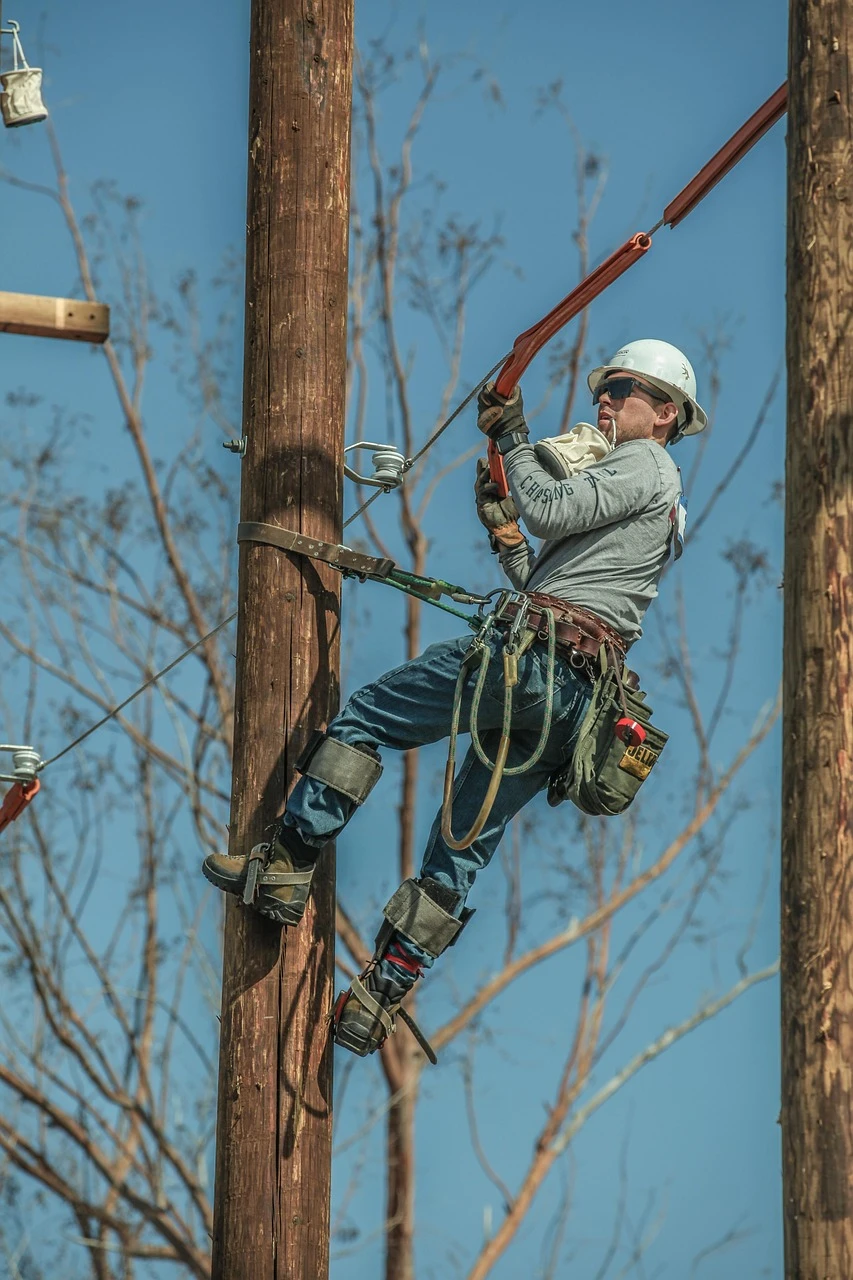
Certain skills are difficult or dangerous to train in real environments. Tasks involving heavy machinery, hazardous materials, emergency response, or high-pressure decision-making carry inherent risks.
VR provides a safe space where employees can practice these scenarios without exposure to real danger. Mistakes become valuable learning moments rather than costly incidents. This risk-free environment not only improves learning outcomes but also reduces training-related accidents, equipment damage, and operational disruptions.
6.Personalizing the Learning Experience
Every employee has different strengths, weaknesses, and learning speeds. Traditional training often follows a one-size-fits-all approach that fails to address individual needs.
VR training companies are introducing more personalized learning experiences by using performance data to adapt training paths. Employees can receive targeted feedback, focus on specific skill gaps, and progress at their own pace. This personalization makes learning more efficient and helps organizations maximize the impact of their training investments.
7.Data-Driven Insights and Measurable Outcomes
Measuring the effectiveness of training has always been a challenge. Attendance records and quizzes provide limited insight into actual job readiness. VR training changes this by generating detailed performance data.
VR platforms can track how learners interact with scenarios, how quickly they respond, and whether they follow correct procedures. These insights allow organizations to evaluate training effectiveness, identify common mistakes, and make informed improvements. Managers gain a clearer picture of workforce readiness and can link learning outcomes directly to performance metrics.
8.Consistency Across Distributed Teams
For organizations with multiple locations or remote teams, delivering consistent training can be difficult. Differences in trainers, facilities, and resources often lead to inconsistent learning experiences.
VR training ensures standardization. Once a module is developed, it can be deployed across locations with the same content and quality. Employees receive uniform training regardless of geography, helping organizations maintain consistent standards, processes, and performance expectations.
9.Supporting Continuous Learning and Upskilling
The pace of change in today’s workplaces means learning cannot be a one-time event. Employees must continuously update their skills to keep up with new technologies, tools, and processes.
VR makes continuous learning more accessible and scalable. New training modules can be developed and updated quickly, allowing organizations to respond rapidly to change. Employees can engage in refresher training or advanced simulations as needed, supporting long-term skill development and adaptability.
10.Shaping the Future of Workplace Learning
Beyond individual training programs, VR is influencing how organizations think about learning as a whole. It encourages a shift from compliance-driven training to performance-focused development. Learning becomes more aligned with real work, career growth, and organizational goals.
VR training companies act as strategic partners, helping organizations design learning ecosystems that are immersive, measurable, and future-ready. As adoption grows, VR is becoming a core component of modern learning strategies rather than a niche innovation.
Conclusion
Employee learning is undergoing a fundamental transformation. Immersive technologies are replacing passive instruction with interactive, experiential, and data-driven approaches that better prepare employees for real-world challenges. By delivering realistic simulations, personalized learning paths, and measurable outcomes, a vr training company is redefining how employees learn, grow, and perform. As organizations look to build agile, skilled, and future-ready workforces, VR training is emerging as a powerful driver of meaningful learning experiences.
To explore more about our work and real-time updates, check out AutoVRse on Twitter, Instagram, and LinkedIn.
























Sign in to leave a comment.