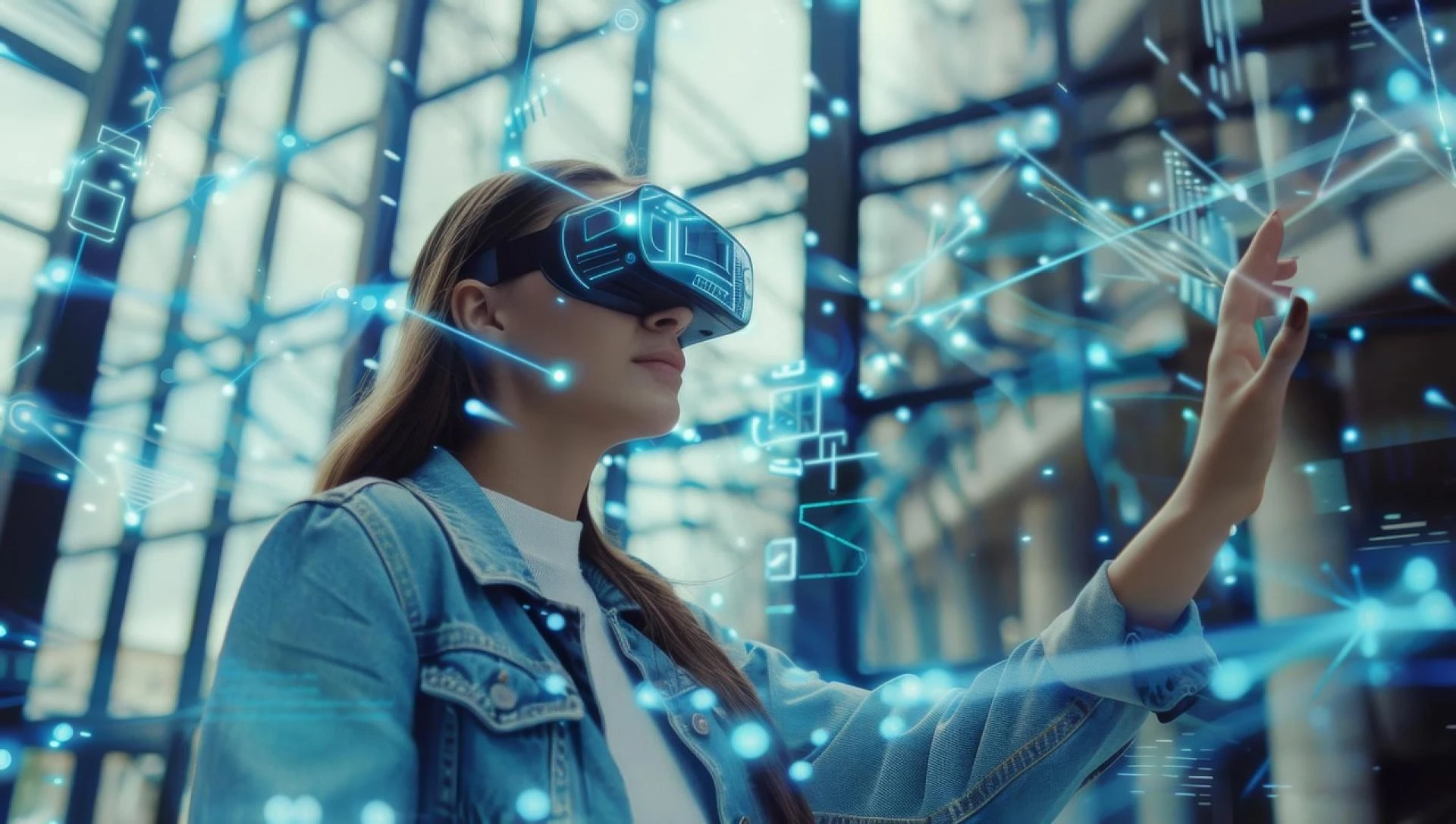

In today’s fast-paced work environment, organizations face the challenge of not only teaching employees theoretical knowledge but also ensuring they can apply that knowledge effectively on the job. Traditional training methods, such as lectures, eLearning modules, or manuals, often focus on information transfer rather than practical application. A VR Training solutions offers a transformative approach by bridging this gap, enabling learners to move from understanding concepts to achieving real-world skill mastery. Through immersive, interactive, and scenario-based learning, VR helps employees develop competence, confidence, and readiness to perform complex tasks.
The Gap Between Knowledge and Skill
Knowledge-based training typically emphasizes:
- Understanding concepts, processes, or regulations
- Memorizing procedures or protocols
- Completing assessments based on theory
While this type of training is valuable, it often falls short in preparing employees for real-world application. Knowledge without practical experience can lead to:
- Errors in execution
- Low confidence when performing tasks
- Longer ramp-up times for new hires
- Inconsistent performance across teams
Organizations need training solutions that go beyond knowledge dissemination to focus on skill mastery, ensuring employees can confidently and correctly perform their roles.
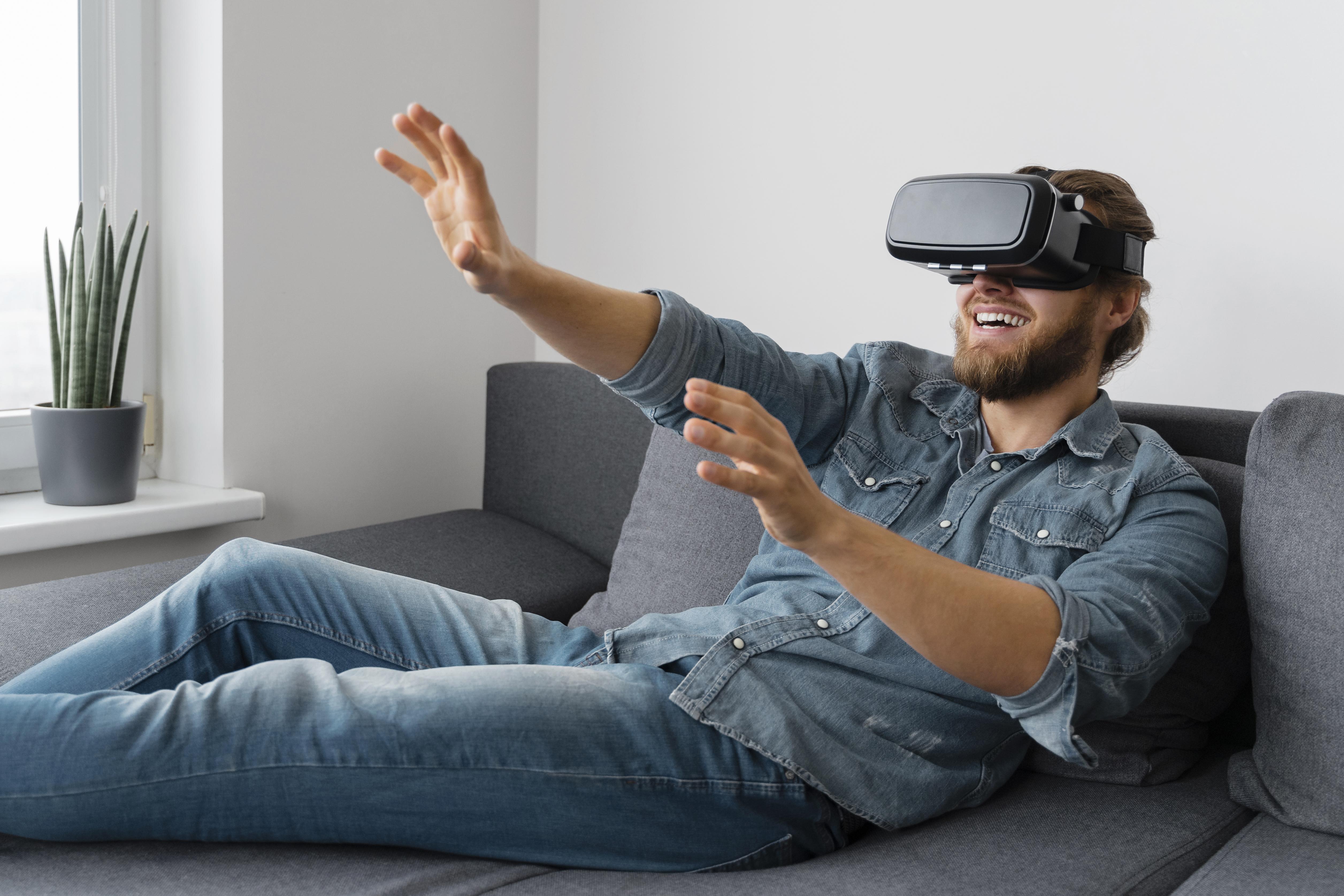
How VR Facilitates Skill Mastery
A VR Training solution is uniquely suited to help learners transition from knowledge acquisition to practical expertise. Its key strengths include:
1. Immersive, Hands-On Practice
VR allows learners to engage in realistic, interactive simulations of workplace tasks. Whether operating machinery, performing medical procedures, or managing complex systems, employees gain hands-on experience without the risk of real-world errors.
2. Scenario-Based Learning
VR can recreate complex situations, including high-pressure or emergency scenarios, enabling employees to apply knowledge in context. This approach encourages critical thinking and problem-solving, essential components of skill mastery.
3. Immediate Feedback and Correction
VR systems provide real-time feedback on actions, guiding learners to correct mistakes and refine techniques. This iterative learning accelerates skill development and reinforces proper execution.
4. Repetition and Deliberate Practice
Learners can repeat tasks as many times as needed, building muscle memory and confidence. Deliberate practice in a controlled environment ensures mastery without the risks or costs associated with live operations.
5. Multi-Sensory Engagement
VR engages visual, auditory, and sometimes haptic senses, creating a more natural learning experience. This multi-sensory input strengthens retention and enables employees to translate knowledge into skill effectively.
Benefits of Shifting Training to Skill Mastery
By focusing on practical competence rather than just theoretical knowledge, VR training delivers measurable organizational benefits:
- Faster Ramp-Up: Employees reach proficiency more quickly, reducing onboarding and training timelines.
- Reduced Errors: Skill-based training minimizes mistakes in high-risk or complex operations.
- Enhanced Confidence: Repeated practice in realistic scenarios builds confidence before live execution.
- Consistency Across Teams: Standardized VR modules ensure uniform skill development regardless of location or trainer.
- Cost Efficiency: Reduces reliance on physical equipment, live instructors, and potentially costly trial-and-error learning.
- Improved Employee Engagement: Interactive and immersive experiences increase motivation and participation.
Practical Applications Across Industries
VR training can effectively facilitate skill mastery in a variety of sectors:
- Manufacturing: Employees practice machine operation, assembly procedures, and maintenance in safe simulations.
- Healthcare: Medical staff rehearse surgeries, emergency procedures, and patient care protocols virtually before working on actual patients.
- Aviation: Pilots and crew practice complex flight maneuvers, emergency landings, and operational decision-making in VR simulators.
- Customer Service: Employees role-play client interactions, conflict resolution, and problem-solving in realistic scenarios.
- Construction: Workers can rehearse safety procedures, equipment handling, and site navigation before entering live job sites.
Strategies for Implementing VR for Skill Mastery
To ensure VR training effectively promotes skill mastery, organizations should adopt the following strategies:
- Identify High-Impact Skills: Focus on tasks that require precision, critical thinking, or are high-risk in the workplace.
- Integrate VR With Other Learning Methods: Use VR alongside eLearning, mentorship, and instructor-led sessions to reinforce learning.
- Encourage Iterative Practice: Provide repeated opportunities for employees to perform tasks in VR until mastery is achieved.
- Track Progress and Adjust Training: Use analytics to monitor performance and adapt modules to address skill gaps.
- Align VR Scenarios With Real-World Contexts: Ensure simulations closely replicate the workplace environment and challenges.
Conclusion
A VR Training solution transforms employee development by shifting the focus from knowledge acquisition to true skill mastery. Through immersive, scenario-based, and interactive learning, VR equips employees to apply their knowledge confidently, accurately, and efficiently in real-world situations. This approach reduces errors, accelerates onboarding, builds competence, and ensures consistent performance across teams. For organizations aiming to elevate workforce capabilities and drive operational excellence, integrating VR into training programs is a powerful way to move from theory to practice.
To explore more about our work and real-time updates, check out AutoVRse on Twitter, Instagram, and LinkedIn.


























Sign in to leave a comment.