

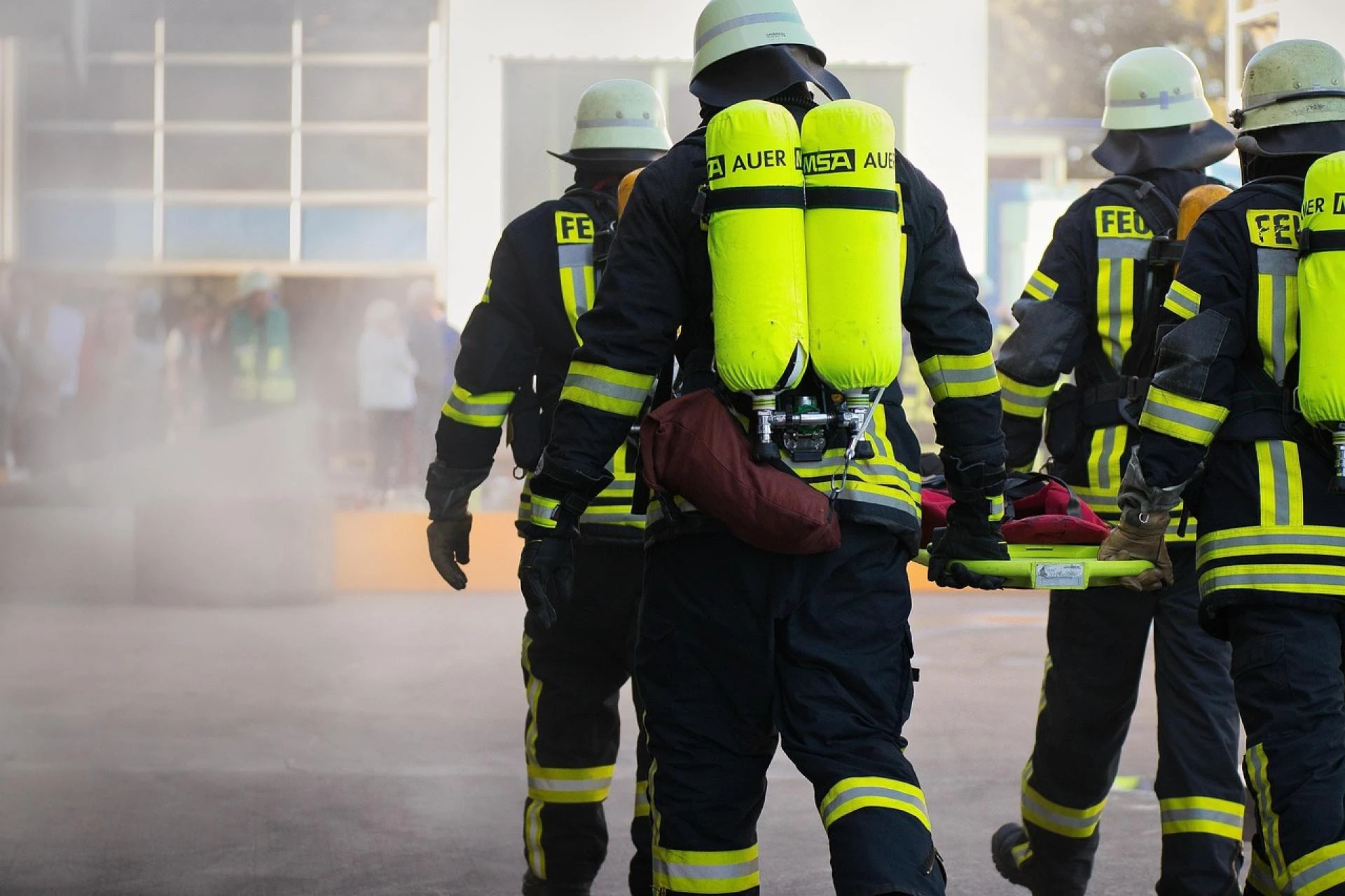
Workplace fire hazards remain a serious concern across industries, from manufacturing plants and warehouses to offices, hospitals, and commercial buildings. Electrical faults, flammable materials, human error, and inadequate emergency preparedness continue to cause fires that result in injuries, property damage, operational downtime, and even loss of life. While fire safety regulations mandate training and drills, traditional methods often fail to prepare employees for the reality of an emergency. This is where VR fire safety training is emerging as a powerful and effective approach to reducing workplace fire risks through immersive, realistic learning experiences.
1.The Reality of Fire Risks in the Workplace
Fire incidents are unpredictable and escalate rapidly. In a real emergency, employees must recognize danger signs, stay calm under pressure, follow evacuation routes, and use fire safety equipment correctly—all within seconds. Unfortunately, many workers lack the confidence or practical experience needed to respond effectively.
Traditional fire safety training usually relies on presentations, manuals, videos, and occasional drills. While these methods provide basic awareness, they rarely simulate the stress, confusion, and urgency of an actual fire. As a result, employees may know the theory but struggle to act decisively during real emergencies.
2.Limitations of Traditional Fire Safety Training
Fire drills are an important safety requirement, but they come with limitations. They are often predictable, infrequent, and disruptive to operations. Employees may not take them seriously, and drills rarely simulate complex scenarios such as blocked exits, smoke-filled environments, or fast-spreading fires.
Additionally, conducting realistic fire drills can be risky and costly. Using live fire, smoke, or emergency equipment may pose safety hazards or require extensive planning and approvals. As a result, many organizations settle for minimal, compliance-driven training that does not fully prepare employees for real-world fire risks.
3.Immersive Learning Through Virtual Reality
VR fire safety training transforms how employees learn and practice fire safety. Using virtual reality, employees are placed inside highly realistic, interactive fire scenarios that replicate their actual workplace environment.
Instead of passively watching a video or listening to instructions, learners actively experience emergency situations. They must identify fire hazards, respond to alarms, choose evacuation routes, use fire extinguishers, and make critical decisions under time pressure. This immersive approach bridges the gap between knowledge and action.
4.Improving Hazard Recognition and Prevention
Reducing fire risks starts with prevention. Many workplace fires occur due to overlooked hazards such as overloaded electrical outlets, improper storage of flammable materials, or failure to follow safety procedures.
VR training helps employees develop strong hazard recognition skills by exposing them to realistic risk scenarios. Trainees learn to spot unsafe conditions and behaviors before they lead to fires. Repeated exposure reinforces proactive thinking, encouraging employees to address risks early rather than reacting after an incident occurs.
5.Building Real-World Emergency Response Skills
In a fire emergency, hesitation can be dangerous. Employees must react quickly and correctly, even when visibility is low and stress levels are high.
VR fire safety training allows employees to practice emergency response repeatedly in a safe, controlled environment. They experience realistic smoke, alarms, and fire spread, learning how to remain calm and follow correct procedures. This hands-on practice builds muscle memory and confidence, making it more likely that employees will respond effectively in real emergencies.
6.Safe Training Without Real-World Risk
One of the greatest advantages of VR-based fire safety training is its ability to simulate dangerous situations without exposing employees to actual harm. Learners can make mistakes, experience consequences, and learn from them without real-world danger.
This risk-free environment encourages active participation and experimentation. Employees are more willing to engage deeply with the training, leading to better learning outcomes compared to traditional methods.
7.Standardized Training Across the Organization
In organizations with multiple locations or large workforces, ensuring consistent fire safety training can be challenging. Different trainers, schedules, and facilities often lead to uneven learning experiences.
VR training standardizes fire safety education by delivering the same high-quality scenarios to all employees, regardless of location. This consistency ensures that everyone understands and practices the same safety protocols, reducing overall fire risk across the organization.
8.Measuring Preparedness and Identifying Gaps
Unlike traditional fire drills, VR training provides detailed performance data. Organizations can track how employees respond to emergencies, how quickly they react, and whether they follow correct procedures.
These insights help safety managers identify gaps in knowledge or behavior. Targeted refresher training can then be provided to individuals or teams that need improvement, making fire safety training more effective and data-driven.
9.Enhancing Compliance and Safety Culture
Fire safety regulations require regular training, but compliance alone does not guarantee preparedness. VR training not only supports regulatory compliance but also strengthens overall safety culture.
When employees experience realistic fire scenarios, they better understand the seriousness of fire risks and their role in preventing and responding to incidents. This heightened awareness fosters accountability and encourages safer behavior in daily operations.
10.Reducing Costs Associated With Fire Incidents
Workplace fires can lead to costly consequences, including property damage, insurance claims, legal liabilities, and lost productivity. While VR fire safety training requires an initial investment, it often results in significant long-term savings.
By reducing the likelihood and severity of fire incidents, organizations can avoid costly disruptions and protect both employees and assets. VR training also reduces the need for repeated physical drills and associated operational downtime.
11.Preparing for Complex and Evolving Fire Risks
Modern workplaces are constantly evolving, with new equipment, materials, and layouts introducing new fire risks. VR training can be easily updated to reflect these changes, ensuring training remains relevant and effective.
Organizations can simulate site-specific scenarios, such as fires in high-risk zones or during peak operations, allowing employees to prepare for challenges unique to their workplace.
Conclusion
Reducing workplace fire risks requires more than basic awareness—it demands realistic, practical, and engaging training that prepares employees for real emergencies. By adopting vr fire safety training, organizations can improve hazard recognition, strengthen emergency response skills, standardize training, and build a proactive safety culture. Virtual reality is redefining fire safety training, helping workplaces move from compliance-driven drills to truly effective preparedness that saves lives and protects operations.
To explore more about our work and real-time updates, check out AutoVRse on Twitter, Instagram, and LinkedIn.























Sign in to leave a comment.