

When Ransomware Knocks: A Wake-Up Call for Businesses
Imagine arriving at your office only to find every critical file locked behind an ominous message demanding payment in cryptocurrency. This isn’t the plot of a cyber-thriller or a dystopian future; it’s a reality that thousands of businesses face daily. Ransomware attacks have surged in frequency and sophistication, costing companies billions annually. According to cybersecurity firm Emsisoft, 2025 saw ransomware incidents affecting over 2,500 U.S. businesses alone, with average ransom demands soaring past $200,000. The situation is dire but not hopeless. For businesses dipping their toes into cybersecurity waters, understanding ransomware protection is the first line of defense.
Ransomware doesn’t discriminate. From small family-run shops to multinational corporations, anyone with digital assets is a potential target. The stakes have never been higher, with attacks causing not only financial damage but also reputational harm and operational paralysis. But before you panic and start deleting every file, let's unpack what ransomware is and how beginners can build a resilient defense.
Tracing the Roots: How Did Ransomware Become a Business Nightmare?
The ransomware saga began in the late 1980s with the so-called AIDS Trojan, but it remained relatively obscure until the last decade. The digital boom and the rise of cryptocurrencies like Bitcoin in the early 2010s gave cybercriminals an anonymous payment method, dramatically fueling ransomware’s growth. By 2017, the infamous WannaCry attack infected over 200,000 computers across 150 countries, locking hospital systems, banks, and government agencies alike. This event marked a turning point — ransomware evolved from a hacker nuisance to a global business threat.
Fast forward to today, and ransomware is an entire underground economy. Cybercrime syndicates treat it as a business, complete with customer support, tiered ransom pricing, and even negotiation. The attack vectors have also multiplied — phishing emails, remote desktop protocol (RDP) breaches, malicious attachments, and software vulnerabilities. Businesses that once assumed they were too small or too niche to be targeted now find themselves in the crosshairs.
In India, for example, ransomware incidents have jumped 60% in recent years, according to reports from the National Cyber Security Coordinator’s office. This reflects a global trend where developing economies with rapidly digitizing sectors often lack the defensive infrastructure compared to Western counterparts. Understanding this background underscores why foundational ransomware protection strategies matter, especially for beginners venturing into cybersecurity.
Fundamental Strategies for Ransomware Protection
Starting with the basics is neither boring nor futile; it’s essential. Businesses new to cybersecurity must prioritize a layered approach combining people, processes, and technology. Here are critical strategies that form the backbone of ransomware defense:
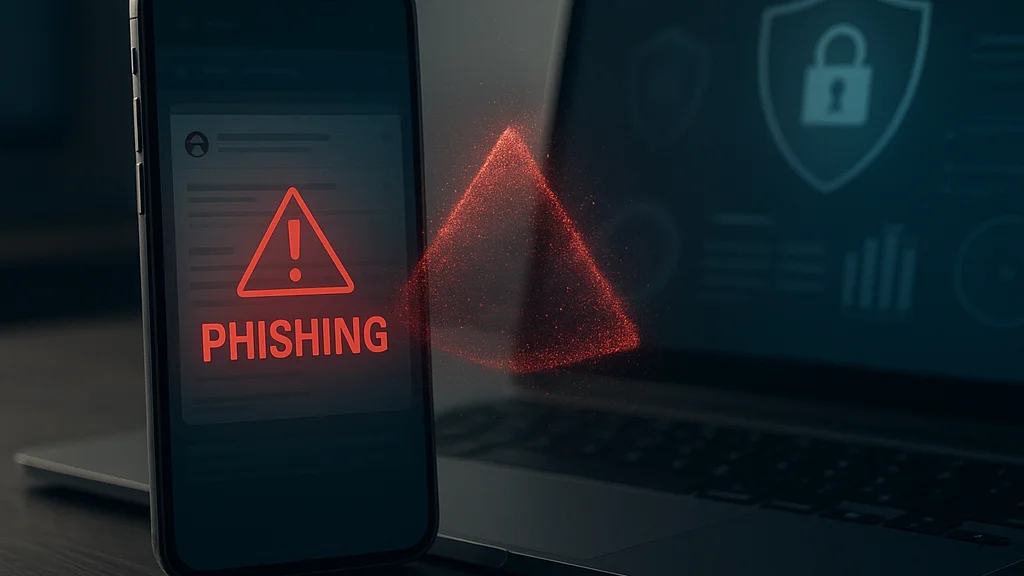
- Employee Training and Awareness: The #1 attack vector remains human error. Phishing emails disguised as invoices or urgent requests trick employees into clicking malicious links. Regular training sessions, simulated phishing tests, and clear reporting channels can drastically reduce this risk.
- Robust Backup Solutions: Backups are your lifeline. Maintain multiple backup copies, including offline and offsite versions, following the 3-2-1 rule: three copies of data, on two different media, one offsite. Test restores periodically to ensure integrity.
- Endpoint Protection and Patch Management: Deploy antivirus and anti-malware solutions with real-time scanning. More importantly, keep operating systems and applications updated with security patches to close vulnerabilities.
- Network Segmentation and Access Controls: Divide your network into segments to limit ransomware spread. Implement strict access controls and least privilege principles, so users only have access necessary for their roles.
- Incident Response Plan: Have a documented and regularly updated plan detailing steps to take if ransomware hits. This should include communication protocols, roles, and recovery procedures.
As highlighted by the recent NTT DATA partnership with Rubrik, integrating backup and recovery with advanced protection mechanisms is increasingly vital. Their collaboration emphasizes unified data management that can detect and remediate ransomware fast, reducing downtime.
"No system is 100% secure, but a proactive and multi-layered defense significantly reduces ransomware risk," says Arvin Chaudhary, cybersecurity analyst, as noted in the New Haven Register.
2026’s Ransomware Landscape: What’s Changed and What to Watch
By 2026, ransomware attacks have become more targeted and automated thanks to AI and machine learning advances. Attackers use AI-driven reconnaissance to identify high-value targets and exploit vulnerabilities faster than ever. But defenders are not sitting idle. AI-powered detection tools and behavior analytics help businesses spot anomalies before encryption happens.
Industry reports reveal that ransomware-as-a-service (RaaS) platforms are thriving, lowering the entry barrier for cybercriminals. This commoditization means even small-time hackers can launch devastating attacks using ready-made kits. Consequently, businesses must fortify defenses beyond traditional antivirus software.
The rise of AI also affects backup strategies. Intelligent backup solutions now automatically detect suspicious file changes, isolating potential ransomware encryption attempts. According to a WriteUpCafe feature on AI-powered storage, these developments offer promising enhancements in ransomware resilience.
Moreover, the regulatory landscape tightens. Data protection laws worldwide, including the GDPR updates and India’s Personal Data Protection Bill amendments, impose heavy penalties for inadequate cybersecurity measures. This increases the urgency for businesses to implement sound ransomware defenses not just for safety but compliance.
Cybersecurity strategist Meera Jain notes, "Ransomware defense in 2026 is a race between AI-enabled attackers and defenders — staying ahead requires constant vigilance and innovation."
Case Studies: Learning from Real-World Ransomware Battles
Examining actual ransomware incidents reveals practical lessons for beginners. Take the 2024 attack on a mid-sized manufacturing firm in the U.S., which resulted in a $150,000 ransom demand. The company’s lack of segmented networks enabled the malware to spread quickly, crippling production for days. They recovered only after restoring from backups, which highlighted the critical nature of regular backup testing.
Contrast this with a 2025 attack on an Indian e-commerce startup that thwarted ransomware attempts through employee vigilance and timely patching. Their incident response plan kicked in immediately, isolating infected devices and preventing data encryption. This example underscores how preparation and awareness can make a difference.
Both cases show that while ransomware is a potent threat, businesses with even modest cybersecurity maturity can limit damage. For those interested in deeper tactics, the WriteUpCafe article Effective Ransomware Protection Strategies for Businesses in 2026 offers practical frameworks tailored for various industries.
Looking Ahead: Building Resilience Beyond Prevention
Ransomware protection isn’t a one-time checklist item; it’s an ongoing commitment. Future-proofing your business means embedding cybersecurity into the organizational culture and infrastructure. Here are some forward-looking takeaways:
- Invest in Cyber Insurance: While not a substitute for prevention, cyber insurance can mitigate financial losses associated with ransomware.
- Adopt Zero Trust Architectures: Verifying every access request regardless of origin reduces exposure.
- Leverage Threat Intelligence Sharing: Participating in industry-specific cybersecurity communities improves early warning capabilities.
- Continuous Employee Education: Cyber threats evolve; so must your workforce's awareness.
- Regular Security Audits and Penetration Testing: Identify and patch weaknesses proactively.
Incorporating these measures aligns with the expert insights highlighted in the Advanced Strategies for Ransomware Protection in Businesses 2026 article, which stresses the importance of dynamic defense postures.
Ultimately, ransomware is not going away, but businesses armed with knowledge, preparedness, and the right tools can keep their digital doors locked tight. To borrow a line from a cult classic: sometimes the best way to beat the system is to never let it catch you off guard.


























Sign in to leave a comment.