

The pharmaceutical industry is undergoing rapid transformation driven by technological innovation, stricter regulatory requirements, and increasing global demand for safe and effective medicines. As operations become more complex, the expectations placed on the workforce continue to rise. Employees are required to master sophisticated equipment, adhere to detailed procedures, and maintain unwavering compliance with Good Manufacturing Practices (GMP) and safety standards. In this evolving landscape, VR training in pharma is emerging as a critical enabler, reshaping how organizations prepare their workforce for the future.

1.Growing Complexity of Pharmaceutical Operations
Modern pharmaceutical facilities are no longer limited to conventional tablet or capsule production. They now include advanced biologics manufacturing, high-containment API facilities, automated packaging lines, and digital quality management systems. Each of these areas introduces new processes, risks, and learning requirements.
Traditional training methods struggle to keep pace with this complexity. Reading SOPs or attending classroom sessions does not always equip employees with the practical understanding needed to operate confidently in real-world environments. As a result, organizations are seeking more effective ways to translate knowledge into consistent, compliant action.
2.Limitations of Conventional Training Approaches
Classroom-based training, manuals, and standard e-learning modules have long been the backbone of pharmaceutical training programs. While these approaches are useful for introducing concepts and regulatory requirements, they often rely heavily on passive learning.
Hands-on training in live manufacturing or laboratory environments is limited due to safety risks, contamination concerns, and production pressures. Employees may not get sufficient opportunities to practice critical tasks before performing them independently. This gap between theoretical knowledge and practical execution increases the risk of human error, deviations, and safety incidents.
3.Immersive Learning Through Virtual Reality
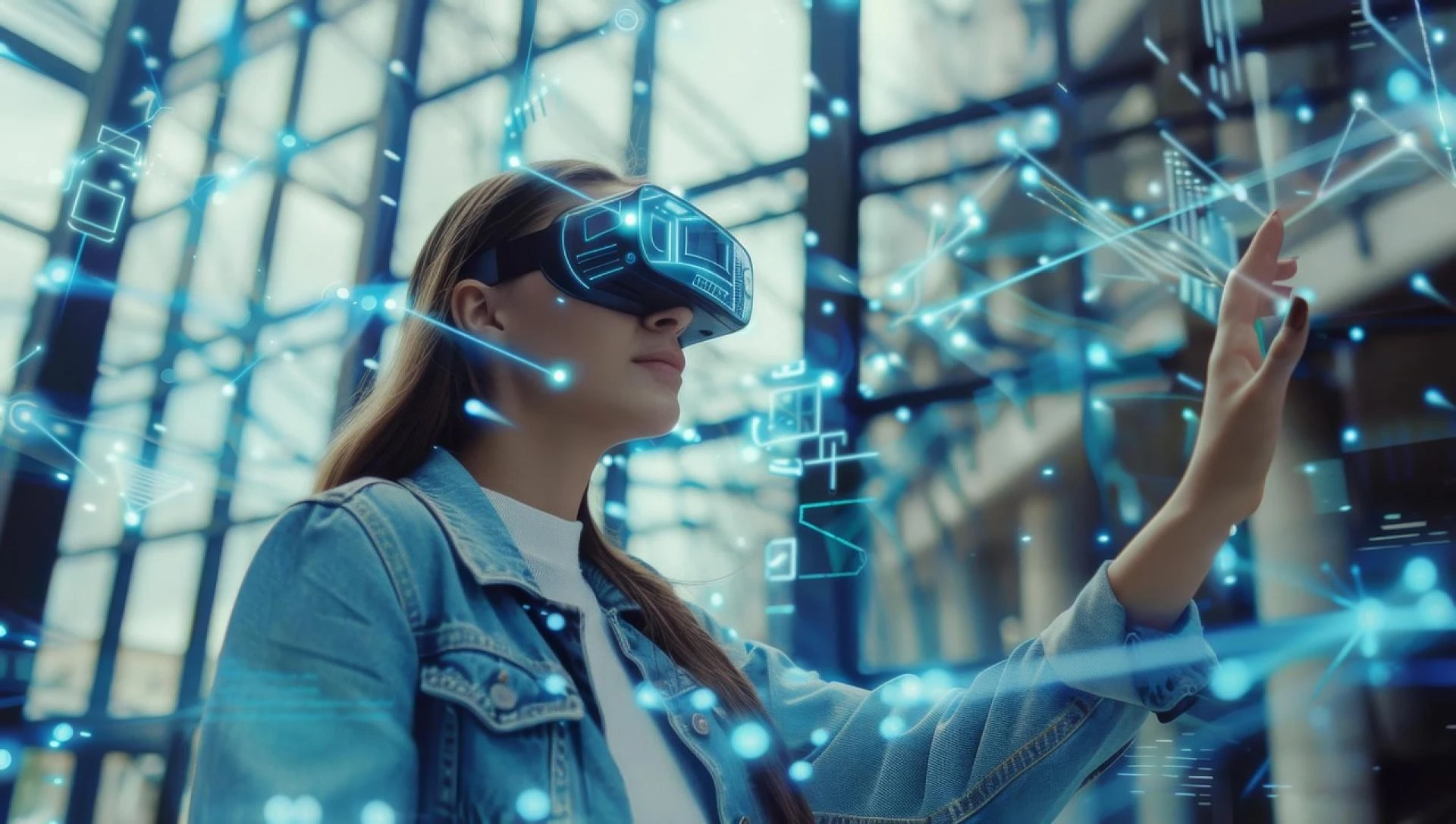
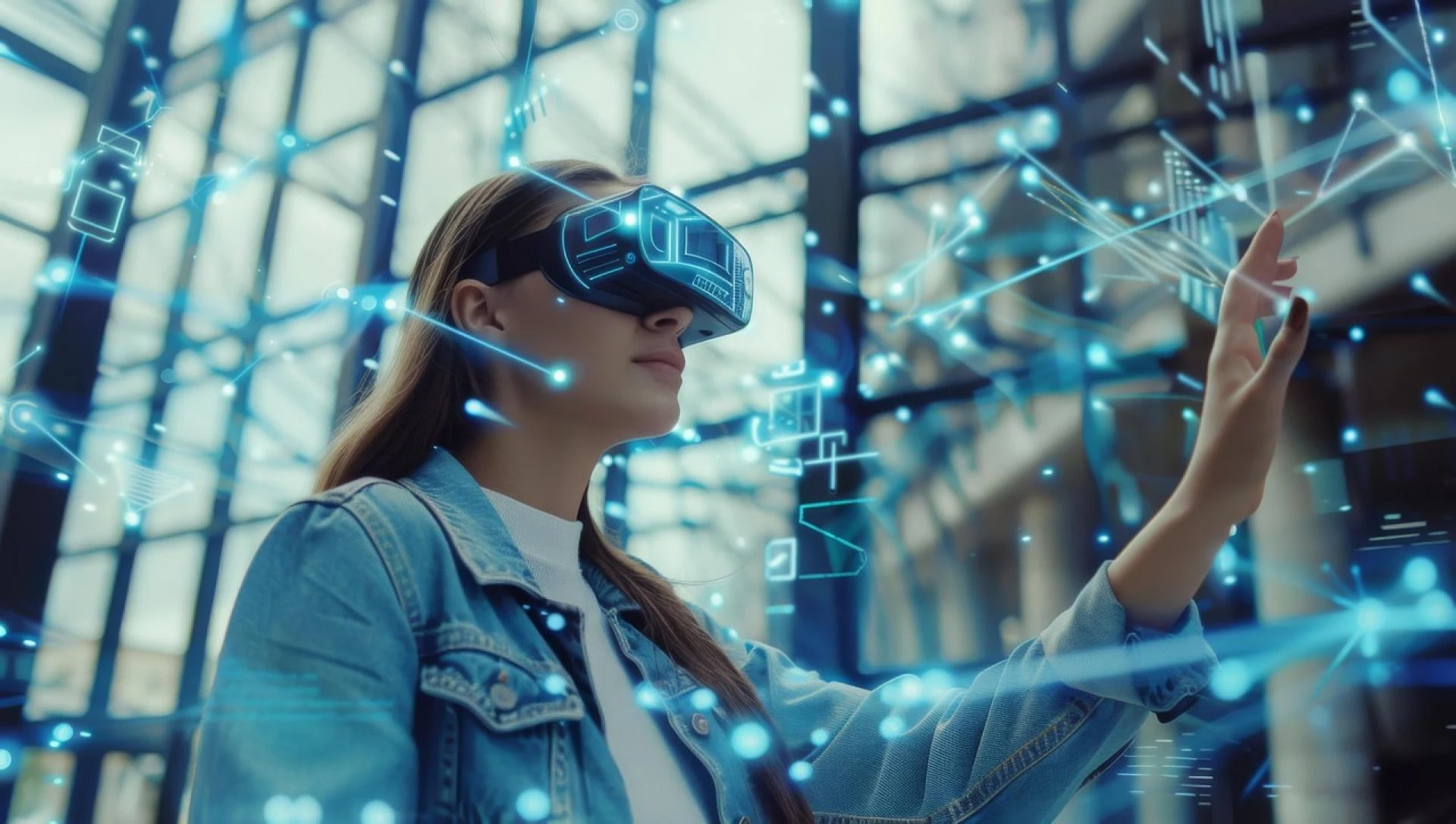
Virtual reality offers a fundamentally different approach to training by creating immersive, interactive learning environments. Employees are placed inside realistic simulations of pharmaceutical facilities where they can perform tasks, follow workflows, and respond to scenarios as they would on the job.
This experiential learning model allows trainees to learn by doing rather than by observation alone. Immersion helps employees develop a deeper understanding of processes, build muscle memory, and gain confidence in their abilities. These benefits are particularly valuable in highly regulated and high-risk pharmaceutical settings.
4.Enhancing Safety and Risk Awareness
Safety is a top priority in pharmaceutical operations, where employees may be exposed to hazardous chemicals, potent compounds, and complex machinery. Training for emergency scenarios or high-risk tasks is difficult to conduct in real environments without introducing danger.
VR training enables employees to practice safety procedures and emergency responses in a completely risk-free setting. They can experience simulated incidents such as equipment failures, spills, or contamination events and learn correct responses without real-world consequences. This preparation improves situational awareness and reduces the likelihood of accidents.
5.Strengthening GMP and Compliance Training
Regulatory compliance is non-negotiable in the pharmaceutical industry. Employees must not only understand GMP requirements but also apply them consistently in day-to-day operations.
VR training embeds compliance directly into realistic workflows. Instead of memorizing rules, employees practice following SOPs in context and see the impact of non-compliance in virtual scenarios. This contextual learning improves retention, reinforces correct behavior, and supports stronger compliance outcomes.
6.Faster and More Effective Onboarding
Onboarding new employees in pharmaceutical environments can be time-consuming and resource-intensive. New hires often require extensive training before they are allowed to work independently, delaying productivity.
VR training accelerates onboarding by familiarizing employees with facilities, equipment, and procedures before they enter live environments. New hires can practice tasks, understand workflows, and build confidence early, reducing time to productivity while maintaining safety and compliance.
7.Supporting Continuous Upskilling
The pharmaceutical industry is constantly evolving, with new technologies, processes, and regulations introduced regularly. Continuous upskilling is essential to keep the workforce competent and competitive.
VR training supports ongoing learning by enabling employees to train on new equipment, updated procedures, or emerging risks as they arise. Training modules can be updated quickly, ensuring the workforce remains aligned with current operational and regulatory requirements.
8.Standardizing Training Across Global Operations
Many pharmaceutical companies operate multiple manufacturing and quality control sites across regions and countries. Maintaining consistent training quality across all locations is a persistent challenge.
VR training provides a standardized learning experience that can be deployed globally. Employees receive the same immersive training regardless of location, ensuring uniform understanding of procedures, safety standards, and compliance expectations across the organization.
9.Data-Driven Insights for Workforce Readiness
One of the most powerful advantages of VR training is the ability to capture detailed performance data. Organizations can track how employees complete tasks, where errors occur, and how long procedures take.
These insights enable training teams to identify skill gaps, personalize learning paths, and measure training effectiveness more accurately. Data-driven training supports continuous improvement and helps organizations proactively address risks before they lead to incidents.
10.Cost Efficiency and Long-Term Value
While VR training requires initial investment, it often delivers significant long-term benefits. Reduced errors, fewer safety incidents, faster onboarding, and improved compliance all contribute to cost savings.
Additionally, VR training reduces reliance on physical training setups, travel, and extended trainer involvement. Its scalability makes it a cost-effective solution for large and growing pharmaceutical organizations.
11.Building a Future-Ready Workforce
The future of pharmaceutical success depends on a workforce that is skilled, adaptable, and confident. VR training is engaging and interactive, encouraging employees to take an active role in their learning.
By embracing innovative training approaches, organizations demonstrate a commitment to safety, quality, and employee development. This not only improves operational performance but also helps attract and retain top talent.
Conclusion
As pharmaceutical operations grow more complex and regulatory expectations continue to rise, training methods must evolve accordingly. Traditional approaches alone are no longer sufficient to prepare employees for the demands of modern pharmaceutical environments. By adopting VR training in pharma, organizations can deliver immersive, practical, and scalable learning experiences that enhance safety, compliance, and performance. Virtual reality is no longer a future concept—it is becoming an essential pillar of pharmaceutical training strategies.
To explore more about our work and real-time updates, check out AutoVRse on Twitter, Instagram, and LinkedIn.


























Sign in to leave a comment.