

Cybersecurity is no longer optional—it is essential. Power utilities are facing increasing threats from cyberattacks, system failures, and data breaches. To protect the reliability of the bulk electric system, regulatory bodies have established strict rules that utilities must follow. One of the most important frameworks in this area is the NERC CIP Standard.
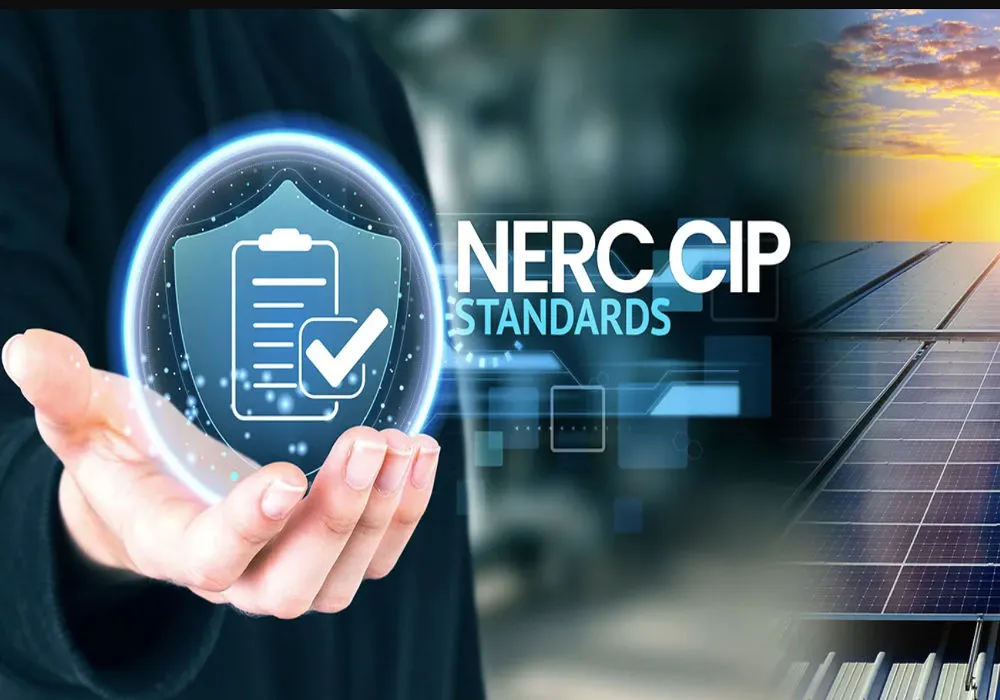
This article provides a complete and easy-to-understand guide to NERC CIP Standard requirements, helping utilities understand what they need to do today to stay compliant, secure, and audit-ready. Whether you are a compliance officer, IT professional, or utility executive, this guide will break down complex concepts into simple, practical steps.
What Is the NERC CIP Standard?
The NERC CIP Standard (Critical Infrastructure Protection) is a set of cybersecurity regulations developed to protect the North American power grid. These standards are enforced by the North American Electric Reliability Corporation (NERC) and apply to organizations that operate or support the bulk electric system.
The main goal of the NERC CIP Standard is to:
- Protect critical systems from cyber threats
- Ensure reliable electricity delivery
- Reduce the risk of large-scale outages
- Improve incident detection and response
In simple words, it is a rulebook that tells utilities how to secure their systems and data.
Why the NERC CIP Standard Matters Today
Cyber threats are becoming more advanced every day. Utilities are attractive targets because they provide essential services. A successful attack can lead to:
- Power outages
- Financial losses
- Damage to reputation
- Regulatory penalties
The NERC CIP Standard helps utilities reduce these risks by enforcing strong cybersecurity practices.
Today, compliance is not just about avoiding fines—it is about ensuring business continuity and protecting public safety.
Who Must Comply with the NERC CIP Standard?
The NERC CIP Standard applies to entities involved in the bulk electric system, including:
- Generation owners and operators
- Transmission owners and operators
- Balancing authorities
- Reliability coordinators
If your organization plays a role in electricity generation, transmission, or management, you likely need to comply.
Overview of Key NERC CIP Standard Requirements
The NERC CIP Standard is divided into several requirements, each focusing on a specific area of cybersecurity. Below is a simplified overview:
1. CIP-002: Asset Identification
This requirement focuses on identifying critical cyber assets.
Utilities must:
- Identify systems that support grid operations
- Classify assets based on impact (low, medium, high)
- Maintain an updated inventory
Why it matters: You cannot protect what you do not know exists.
2. CIP-003: Security Management Controls
This standard ensures that utilities have proper governance in place.
Requirements include:
- Documented cybersecurity policies
- Defined roles and responsibilities
- Management approval and oversight
Why it matters: Strong leadership ensures consistent security practices.
3. CIP-004: Personnel & Training
Human error is one of the biggest cybersecurity risks.
Utilities must:
- Conduct background checks
- Provide cybersecurity training
- Manage access permissions
Why it matters: Employees are the first line of defense.
4. CIP-005: Electronic Security Perimeter
This requirement focuses on protecting network boundaries.
Utilities must:
- Define electronic security perimeters (ESPs)
- Control remote access
- Monitor network traffic
Why it matters: It prevents unauthorized access to critical systems.
5. CIP-006: Physical Security
Cybersecurity is not just digital—it also includes physical protection.
Utilities must:
- Secure physical locations
- Control access to facilities
- Monitor entry points
Why it matters: Physical access can lead to cyber compromise.
6. CIP-007: System Security Management
This requirement focuses on system-level protection.
Utilities must:
- Manage patches and updates
- Control user accounts
- Monitor system activity
Why it matters: Keeps systems secure and up to date.
7. CIP-008: Incident Reporting and Response
Utilities must be prepared for cybersecurity incidents.
Requirements include:
- Incident response plans
- Reporting incidents to authorities
- Regular testing of response procedures
Why it matters: Quick response minimizes damage.
8. CIP-009: Recovery Plans
This standard ensures business continuity.
Utilities must:
- Develop recovery plans
- Backup critical data
- Test recovery processes
Why it matters: Ensures fast restoration after an incident.
9. CIP-010: Configuration Change Management
Change management is critical for security.
Utilities must:
- Track system changes
- Assess security impacts
- Maintain configuration baselines
Why it matters: Prevents unauthorized or risky changes.
10. CIP-011: Information Protection
Sensitive data must be protected.
Utilities must:
- Identify sensitive information
- Implement data protection measures
- Secure data disposal
Why it matters: Protects critical information from leaks.
11. CIP-013: Supply Chain Risk Management
Supply chain risks are growing.
Utilities must:
- Assess vendor risks
- Include security requirements in contracts
- Monitor third-party access
Why it matters: Vendors can introduce vulnerabilities.
Common Challenges in NERC CIP Standard Compliance
Many utilities struggle with compliance due to:
1. Complexity of Requirements
The NERC CIP Standard includes many detailed rules that can be difficult to understand.
2. Resource Constraints
Smaller utilities may lack the staff or budget needed for compliance.
3. Constant Updates
Standards evolve over time, requiring ongoing adjustments.
4. Audit Pressure
Preparing for audits can be stressful and time-consuming.
Best Practices for Meeting NERC CIP Standard Requirements
To stay compliant and secure, utilities should follow these best practices:
1. Build a Strong Compliance Program
Create a structured program that includes:
- Policies and procedures
- Defined roles
- Regular reviews
2. Use Automation Tools
Automation can help with:
- Monitoring systems
- Managing compliance tasks
- Generating reports
3. Conduct Regular Training
Keep employees informed about:
- Cyber threats
- Security practices
- Compliance requirements
4. Perform Internal Audits
Regular audits help identify gaps before regulators do.
5. Partner with Experts
Working with experienced providers like Certrec can make compliance easier. Certrec offers specialized services in regulatory compliance, helping utilities navigate complex NERC CIP Standard requirements efficiently.
The Role of Certrec in NERC CIP Standard Compliance
Certrec is a trusted name in regulatory compliance and has helped utilities for decades. Their expertise includes:
- Compliance assessments
- Audit preparation
- Documentation support
- Training and consulting
By partnering with Certrec, utilities can:
- Reduce compliance risks
- Improve efficiency
- Stay updated with changing regulations
Preparing for a NERC CIP Audit
Audits are a critical part of compliance. Here is how utilities can prepare:
1. Maintain Documentation
Ensure all policies, procedures, and records are up to date.
2. Conduct Mock Audits
Practice audits help identify weaknesses.
3. Train Your Team
Employees should understand their roles during audits.
4. Fix Gaps Early
Address issues before the official audit.
Future Trends in NERC CIP Standard
The NERC CIP Standard continues to evolve. Key trends include:
- Increased focus on supply chain security
- Stronger cloud security requirements
- Integration of advanced technologies
- More strict enforcement
Utilities must stay proactive to keep up with these changes.
Conclusion
The NERC CIP Standard plays a vital role in protecting the power grid from cyber threats. While compliance may seem complex, understanding the requirements and following best practices can make the process manageable.
Utilities that invest in cybersecurity today will be better prepared for the challenges of tomorrow. By building strong programs, training employees, and partnering with experts like Certrec, organizations can achieve compliance while improving overall security.


























Sign in to leave a comment.