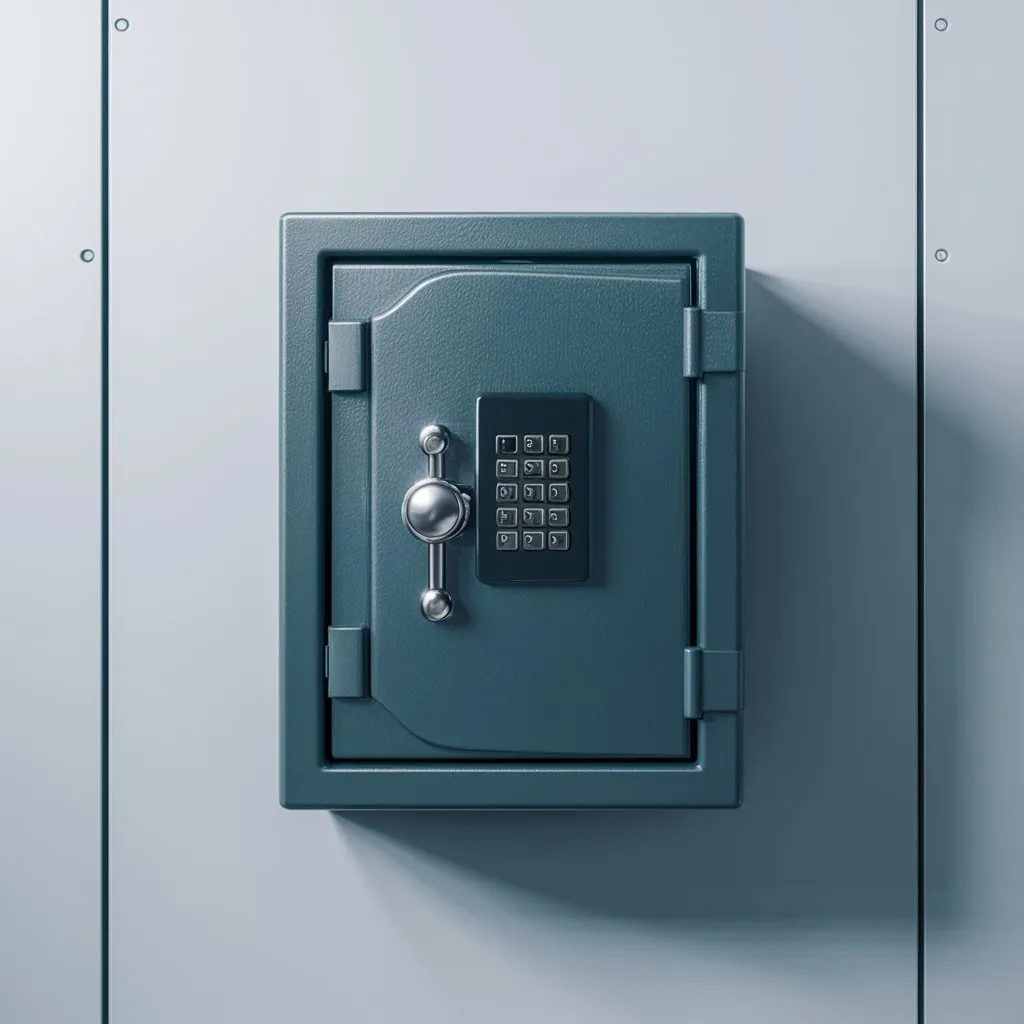

There's a quiet kind of panic that every Australian family knows — the frantic search for a passport the night before an early flight, or the desperate rummaging through drawers looking for an insurance document when you need it most. In those moments, it's not the value of the item that stings. It's the realisation that something irreplaceable was sitting completely unprotected.
A home security safe fixes that permanently. But knowing you need one and knowing what to actually put in it are two different things. Most people dramatically underestimate how many items in their home genuinely deserve to be locked away — and they overestimate how hard it is to get started.
Here is a practical, honest guide to what Australian families should be storing in a home safe, and why each item matters more than most people realise.
Identity and Personal Documents
This is the non-negotiable starting point. Identity theft in Australia is a growing problem, and the documents that enable it are often sitting in an unlocked drawer or a filing cabinet that could be carried out the door in thirty seconds.
The documents every Australian family should secure include:
- Passports — for every family member, including children
- Birth certificates — originals, not photocopies
- Medicare cards and health records
- Marriage and divorce certificates
- Citizenship documents and visas
- Tax file number documentation
These items cannot simply be replaced. Replacing a lost or stolen passport costs time, money, and creates a window of vulnerability during the process. Replacing a birth certificate requires navigating government registries that vary by state. Securing the originals from the start is always the smarter option.
Financial and Legal Documents
Australia's financial landscape generates paperwork that most families either lose track of or store carelessly. A home safe brings all of it into one organised, protected location.
Consider storing:
- Property titles and mortgage documents
- Insurance policies — home, contents, vehicle, life, and health
- Superannuation statements and investment records
- Wills and power of attorney documents
- Vehicle registration papers
- Share certificates and financial bonds
One point worth noting: wills and power of attorney documents should be stored in a safe that trusted family members can access in an emergency. If only one person knows the code, a critical document could become inaccessible at exactly the wrong moment.
Jewellery and Physical Valuables
Australia's household burglary statistics are sobering — and jewellery is consistently among the most targeted items because it is portable, high in value, and easy to sell. Family heirlooms carry emotional weight that goes far beyond replacement cost.
A home safe provides the protection that a bedside drawer, wardrobe shelf, or sock drawer never will. This includes not just fine jewellery but also:
- Loose gemstones and watches
- Collectibles with high monetary or sentimental value
- Spare keys — house, vehicle, and storage unit keys
- Foreign currency held for upcoming travel
- Emergency cash — a modest amount for situations where electronic payments fail
Digital Storage and Media
This is the category that most Australian families forget entirely — and it is increasingly the most important one.
USB drives, portable hard drives, and SD cards containing irreplaceable family photos, business records, and digital backups can be destroyed by fire, flood, or physical damage far more easily than people expect. Standard fire-rated safes protect paper documents by keeping internal temperatures below 177°C. However, digital media begins to fail at around 52°C — which means families storing hard drives alongside paper documents need a media-rated safe with a much lower internal temperature threshold.
If your family has digital archives, scanned documents, or important files on portable storage, this distinction matters enormously when choosing the right unit.
Medications and Controlled Substances
For Australian families with prescription medications — particularly those that are controlled substances or in high doses — secure storage is both a practical and legal consideration. Certain medications that are accessible to children or vulnerable individuals in the home present genuine risks. A dedicated pharmaceutical compartment within a safe, or a drug-rated safe designed specifically for medication storage, addresses this completely.
Firearms (Where Applicable)
For licensed firearm owners, Australian law is unambiguous. In Victoria, for example, firearms must be stored in a steel security receptacle with a minimum steel thickness of 1.6mm, bolted to the structure of the premises if the unit weighs under 150kg. Requirements vary by state, but the underlying obligation is consistent: licensed firearms must be secured at all times when not in use.
A purpose-built gun safe is not just the responsible choice — in most Australian states, it is the legal one.
Choosing the Right Safe for Your Family
The items listed above span a wide range of sizes, sensitivity levels, and protection requirements. A family storing only documents needs something different from one protecting jewellery, digital media, and firearms simultaneously.
Working with a knowledgeable supplier makes this process considerably more straightforward. Safes Australia, for instance, offers personalised guidance across their full residential range — helping families match the right fire rating, cash rating, size, and lock type to their specific needs rather than guessing from a product catalogue alone.
The key practical tip: always buy slightly larger than you currently think you need. Almost every family discovers more items worth protecting once a safe is installed — and upgrading later is far more disruptive than getting the right size the first time.
FAQ
Q: How much cash should I keep in a home safe? A: Most financial advisors suggest keeping only a modest emergency amount at home — enough to cover a few days of essential expenses if electronic payments are temporarily unavailable. Large sums are better held in a bank account where they are protected and insured.
Q: Where is the best place to install a home safe in Australia? A: A bedroom wardrobe bolted to a concrete slab is widely considered the ideal location — it combines concealment with structural security. Avoid garages, external walls, and areas prone to humidity or temperature extremes, which can affect both the safe and its contents over time.
Q: Do I need a fireproof safe if I don't live in a bushfire-prone area? A: Yes. House fires caused by electrical faults, cooking accidents, and appliance failures can occur in any Australian home. A fire-rated safe protects your documents and valuables in any fire scenario, not just bushfires. Look for a minimum 30-minute fire rating for basic document protection.
Q: Should I store my will in a home safe? A: You can — but with an important caveat. Make sure at least one trusted family member or executor knows the safe's location and access code. A will locked in a safe that no one else can open during an estate situation creates unnecessary legal and emotional complications.
Q: Can I store digital media like hard drives and USB drives in any home safe? A: Not safely. Standard fire-rated safes protect paper documents but can reach internal temperatures that destroy digital media. If you are storing hard drives, USB drives, or SD cards, you need a media-rated safe specifically designed to maintain temperatures below 52°C during a fire event.
Q: How often should I update the contents of my home safe? A: Reviewing your safe's contents annually is good practice. Update insurance documents as policies renew, replace expired identification before travel, and reassess whether your current safe size still meets your family's growing needs. Treat it like a yearly household audit rather than a one-time setup.
























Sign in to leave a comment.