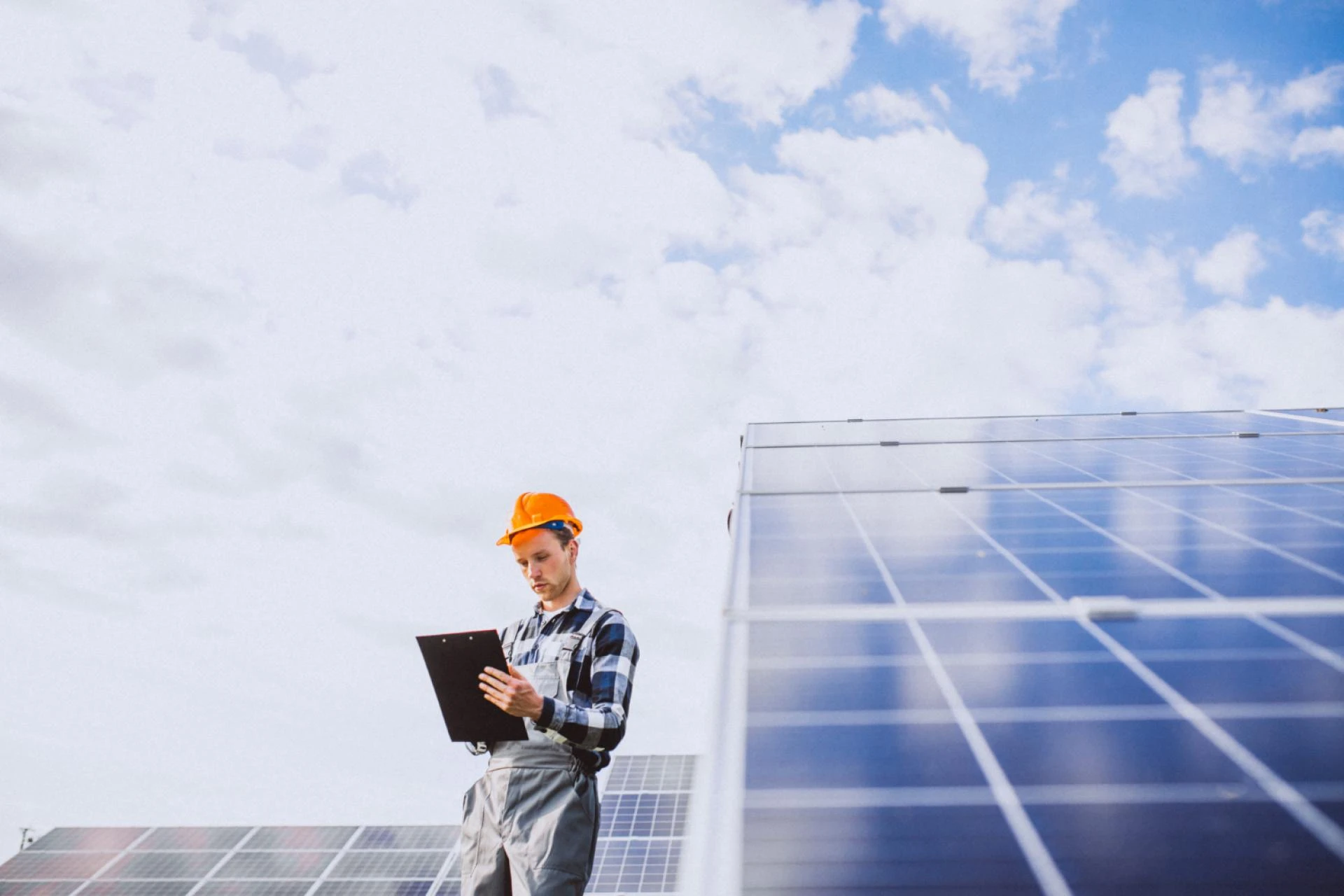

As more businesses transition to renewable energy, commercial solar installation has emerged as a cost-effective and sustainable solution. However, while the benefits are clear, the planning process can be complex. From overlooking roof conditions to misjudging energy needs, small mistakes can lead to costly setbacks.
In this guide, we’ll highlight the most common mistakes businesses make when planning their commercial solar systems—and how to avoid them for a smoother and more profitable installation.
Not Assessing Your Energy Needs Accurately
Understand Your Consumption Patterns
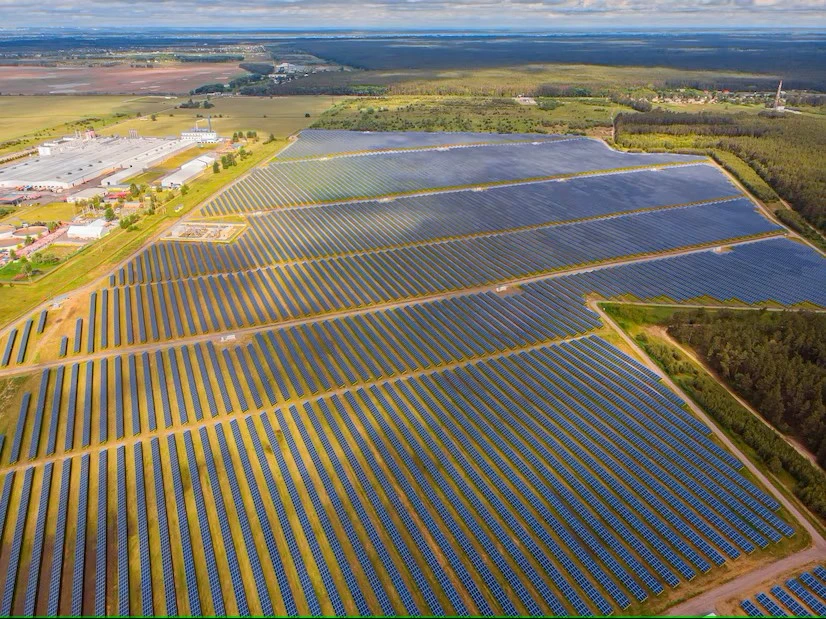
One of the most crucial steps before moving forward with any commercial solar installation is a detailed energy audit. Businesses often underestimate or overestimate their power consumption, leading to systems that are either underpowered or unnecessarily oversized.
Work with a professional to analyze your energy usage over the past 12 months. Understanding peak demand times and load patterns will help you design a system that aligns with your actual needs.
Ignoring the Condition of Your Roof
Structural Readiness Matters
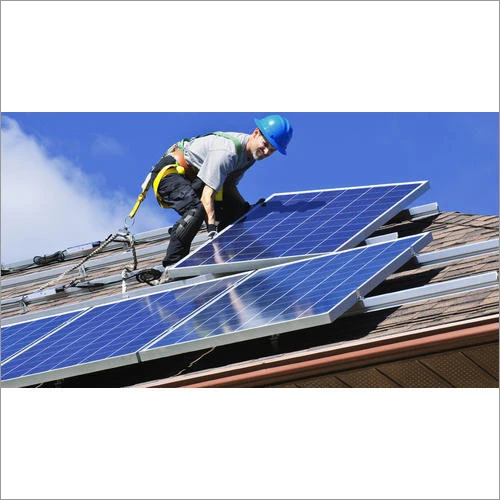
Installing a solar system on a roof that needs repair is like painting over rust. It may look fine temporarily, but problems will eventually surface. Before installing panels, have a structural engineer or roofing expert assess the building’s integrity.
If your roof is due for replacement within the next 5–10 years, it's better to address that before the solar installation. Removing and reinstalling panels later can be expensive and inconvenient.
Failing to Consider Future Expansion
Think Long-Term from Day One
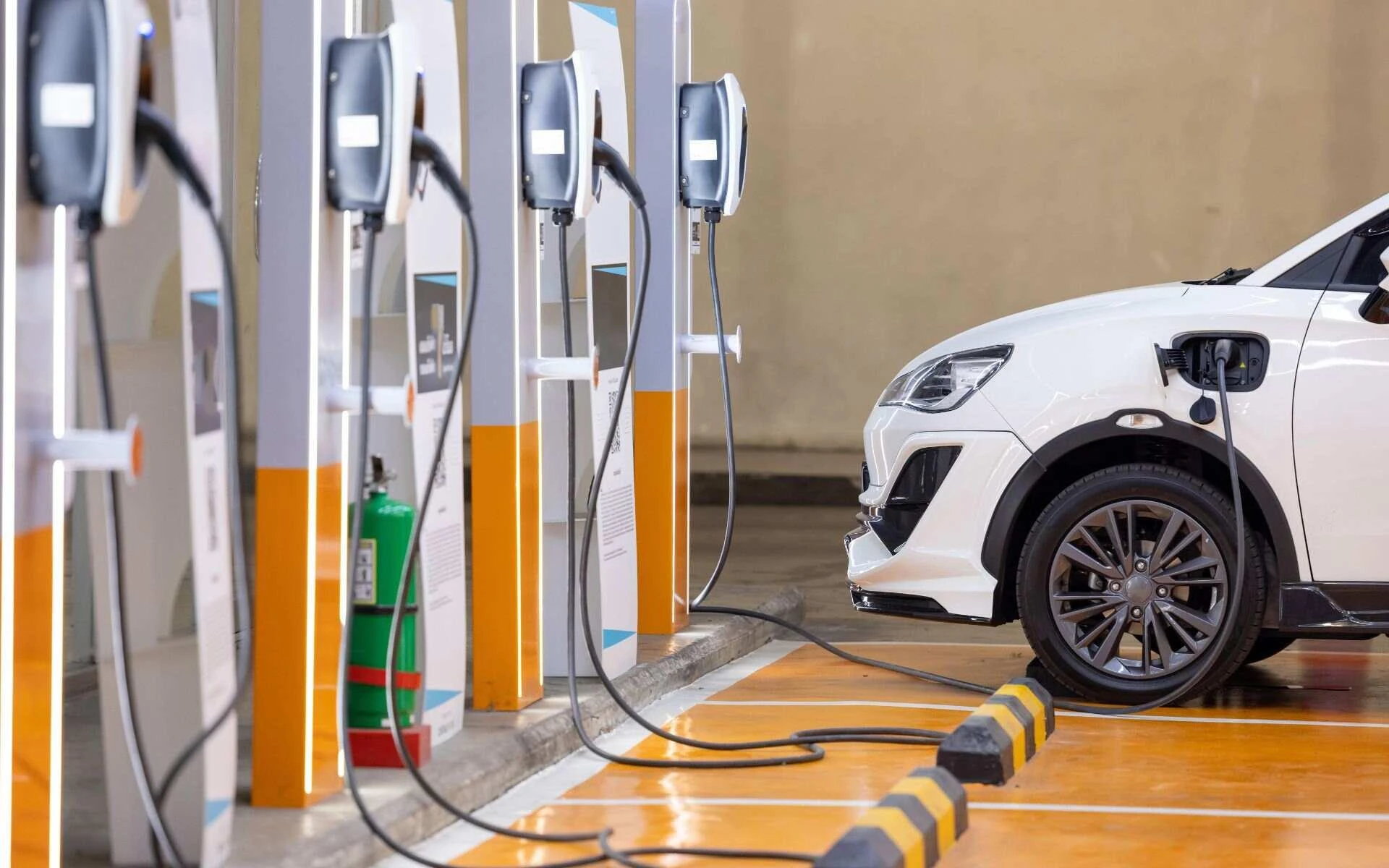
Many businesses only size their system based on current needs, not accounting for growth or future operations. If you plan to expand your operations, add electric vehicle charging stations, or increase your energy load in other ways, build flexibility into your system design.
Future-proofing your solar installation can save you from costly upgrades and redesigns down the road.
Overlooking Local Regulations and Permits
Compliance Is Key
Commercial solar projects are subject to a wide range of building codes, zoning laws, and utility regulations. Failing to obtain the proper permits or ignoring utility interconnection guidelines can delay your project significantly.
Partner with a provider who understands your region's regulatory landscape. They should handle permitting, inspections, and coordination with the utility company to ensure full compliance.
Choosing the Wrong Solar Partner
Not All Installers Are Created Equal
Selecting a solar provider based solely on cost is a risky move. The cheapest quote may come with hidden costs, subpar equipment, or poor installation practices. Likewise, some providers lack experience with large-scale commercial projects.
Look for a company with a solid portfolio, strong customer reviews, and industry certifications. Your solar provider should offer transparency, ongoing support, and a customized solution—not a one-size-fits-all package.
Focusing Only on the Initial Price
Evaluate Long-Term Value
While the upfront investment is important, it shouldn't be your only consideration. A lower initial cost might mean reduced system performance, shorter warranties, or fewer services. On the other hand, a slightly higher investment can yield better returns over time.
Consider total cost of ownership, including maintenance, lifespan, warranties, and projected savings.
Forgetting About Energy Storage
Batteries Can Boost Your ROI
As grid instability and energy prices continue to fluctuate, many businesses benefit from integrating energy storage solutions. While it's not necessary for every system, failing to consider battery storage could limit your energy independence and cost-saving potential.
Evaluate whether energy storage could help manage peak demand, support backup power, or enhance your overall system efficiency.
Not Monitoring System Performance
Visibility Ensures Efficiency
Once the system is installed, ongoing monitoring is essential. Some businesses make the mistake of assuming “install and forget.” However, solar systems can experience dips in performance due to shading, inverter issues, or other maintenance needs.
Choose a provider that offers user-friendly monitoring tools and proactive support so you can track performance and identify problems early.
FAQs
Q1: How long does a commercial solar installation project typically take?
A: The timeline varies based on system size, permitting, and local regulations, but most commercial installations take between 2 to 6 months from planning to activation.
Q2: Can I install solar panels on an older building?
A: Yes, but it’s important to assess the building’s roof and electrical infrastructure. Structural reinforcements or upgrades may be required before installation.
Q3: What kind of maintenance is required for a commercial solar system?
A: Solar systems require minimal maintenance, mainly periodic cleaning and system inspections. Most providers offer monitoring and maintenance packages to keep your system performing efficiently.
Conclusion: Plan Smart with Green Integrations Inc.
Avoiding these common mistakes is key to maximizing the value of your commercial solar installation. With the right planning, the right team, and a forward-thinking approach, your business can enjoy sustainable energy and long-term savings.
At Green Integrations Inc., we specialize in custom commercial solar solutions designed to meet your unique energy goals. From planning to installation and beyond, our team ensures a smooth, efficient, and future-ready process.
Ready to power your business with solar?
Contact Green Integrations Inc. today for a free consultation and start your journey toward smarter energy.

























Sign in to leave a comment.