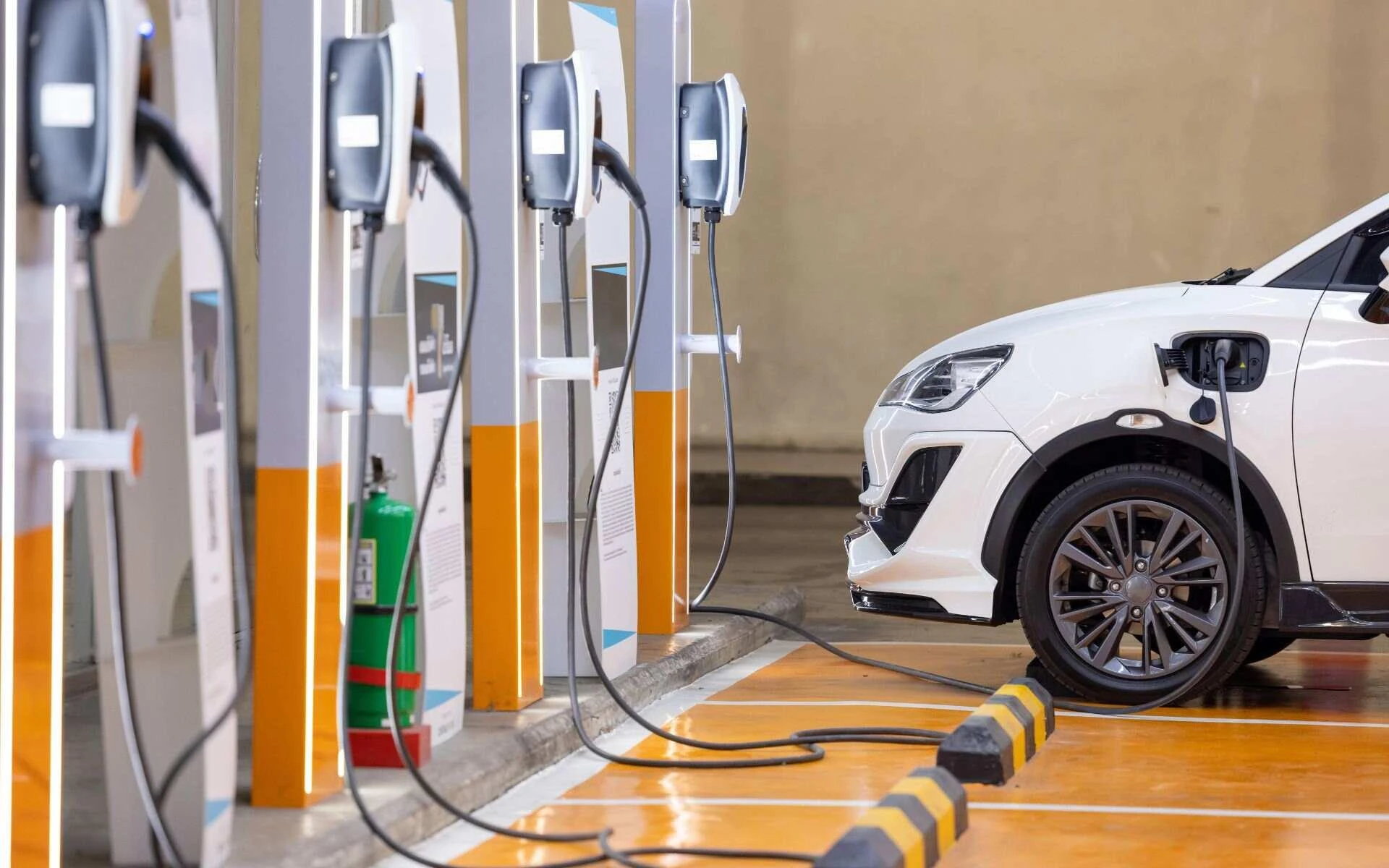

In an era of accelerating electrification, installing a commercial EV charger at your business location is no longer just a nice-to-have — it’s becoming a strategic differentiator. A thoughtfully deployed charging solution can generate revenue, attract new customers, reduce emissions, and boost your corporate image.
In this post, we’ll explore the top benefits of installing a commercial EV charger, considerations to keep in mind, and how your business can maximize ROI. Let’s dive in.
Why Commercial EV Chargers Matter for Businesses
Before we jump into specific benefits, it’s worth briefly understanding the broader context:
- EV adoption is rising rapidly. More individuals and fleets are choosing electric vehicles over internal-combustion options.
- Charging infrastructure is a major barrier for EV users; convenient public and private chargers help bridge that gap.
- Governments and utilities around the world are offering incentives, rebates, and supportive regulation to accelerate EV infrastructure deployment.
When businesses act early, they can secure a competitive edge in this shift. Now, let’s get into the key advantages.
Key Benefits of Installing a Commercial EV Charger
1. New Revenue Stream & Charging Fees
One of the most tangible benefits is the opportunity to monetize your charging station. Whether you charge per kWh, per hour, or a flat access fee, a well-utilized charger can gradually pay for itself — and beyond.
- You can earn passive income from non‐customers stopping to charge.
- Bundled services (e.g. charging + a café, retail, convenience services) further increase sales.
- Dynamic pricing models allow you to adjust prices during peak vs off-peak periods for optimized returns.
2. Attract & Retain Customers
Offering EV charging becomes a value-add, and in many cases, a reason people choose to visit your facility over a competitor’s:
- EV owners are more likely to patronize businesses that provide charging amenities.
- Charging dwell time gives you more opportunity to upsell, cross-sell, or engage customers.
- In sectors like retail, hospitality, restaurants, shopping malls, and hotels — EV chargers can be a differentiator that leads to customer loyalty.
3. Enhanced Brand & ESG Reputation
Sustainability is no longer optional — it's a business expectation. Installing a commercial EV charger helps your company:
- Demonstrate environmental leadership and commitment to clean energy.
- Support your ESG (Environmental, Social, Governance) goals and reporting.
- Create positive public relations and marketing stories (“We are the first business in our area to support EV drivers”) that resonate with eco-conscious consumers.
4. Access to Incentives & Tax Benefits
Governments and utility companies globally are offering incentives, rebates, tax credits, grants, and subsidized programs to encourage EV infrastructure deployment:
- These programs can substantially reduce upfront capital expenditure.
- In some regions, you might be eligible for accelerated depreciation of EV charger assets.
- Utility rebates or demand charge reductions may further improve your financial case.
Be sure to research local incentive programs and compliance requirements before installing.
5. Support for Fleet Electrification
If your business operates its own vehicle fleet (delivery vans, service vehicles, light trucks, etc.), having a commercial EV charger on site is essential:
- You can schedule charging overnight or during off-peak hours — optimizing energy costs.
- You reduce dependence on external public charging, increasing operational control.
- It’s a future-proofing investment as your fleet transitions to electric.
6. Increased Property Value & Lease Appeal
For property owners, installing chargers can enhance asset value:
- EV infrastructure is increasingly seen as an essential amenity by tenants.
- Properties with built-in charging are more attractive to prospective lessees, especially in commercial real estate, retail plazas, apartment complexes, hotels, and office parks.
- You may be able to charge a higher lease premium or command better occupancy.
7. Competitive Differentiation & First-Mover Advantage
Being among the early adopters of commercial EV charging in your area signals leadership. You gain:
- A reputation as forward-thinking, tech-savvy, and environmentally aware.
- A head start in building reliable charging infrastructure before the market saturates.
- The ability to refine your charging operations early, learning usage patterns and optimizing before competitors catch up.
Important Considerations Before Deployment
While the benefits are compelling, success depends on careful planning. Here are key factors to review:
Site Assessment & Load Capacity
- You’ll need adequate electrical service capacity (transformer, panel, wiring) to support EV charging loads.
- Conduct a load study to ensure you don’t exceed utility demand limits.
- Determine the ideal placement for charger units — proximity to parking stalls, minimal trenching, visibility, convenience, safety, and signage.
Charger Level & Technology
Decide between level 2 AC chargers and DC fast chargers (or a mix), based on your use case:
- Level 2 chargers (typically 208–240 V, 7–22 kW) are suitable where vehicles stay parked for longer durations (e.g. workplace, shopping, lodging).
- DC fast chargers (50 kW and above) are better suited to commercial corridors, retail stops, or highway‐side locations where shorter dwell times are expected.
- Look for features such as network connectivity, remote monitoring, and payment integration.
Payment Systems & Network Integration
Your charging stations should be easy to use and monetizable:
- Support credit/debit cards, RFID, mobile apps, or subscription models.
- Consider integrating with charging networks (Roaming, OCPP compatibility) to increase visibility.
- Provide real-time status, usage reporting, and remote management.
Maintenance & Reliability
To ensure customer satisfaction and uptime:
- Choose durable, weather- and vandalism-resistant hardware.
- Arrange for preventive maintenance, warranty, servicing, and prompt repairs.
- Monitor usage to anticipate wear and component replacement.
Energy Management & Grid Impact
- Use load management systems to avoid overloading circuits during demand peaks.
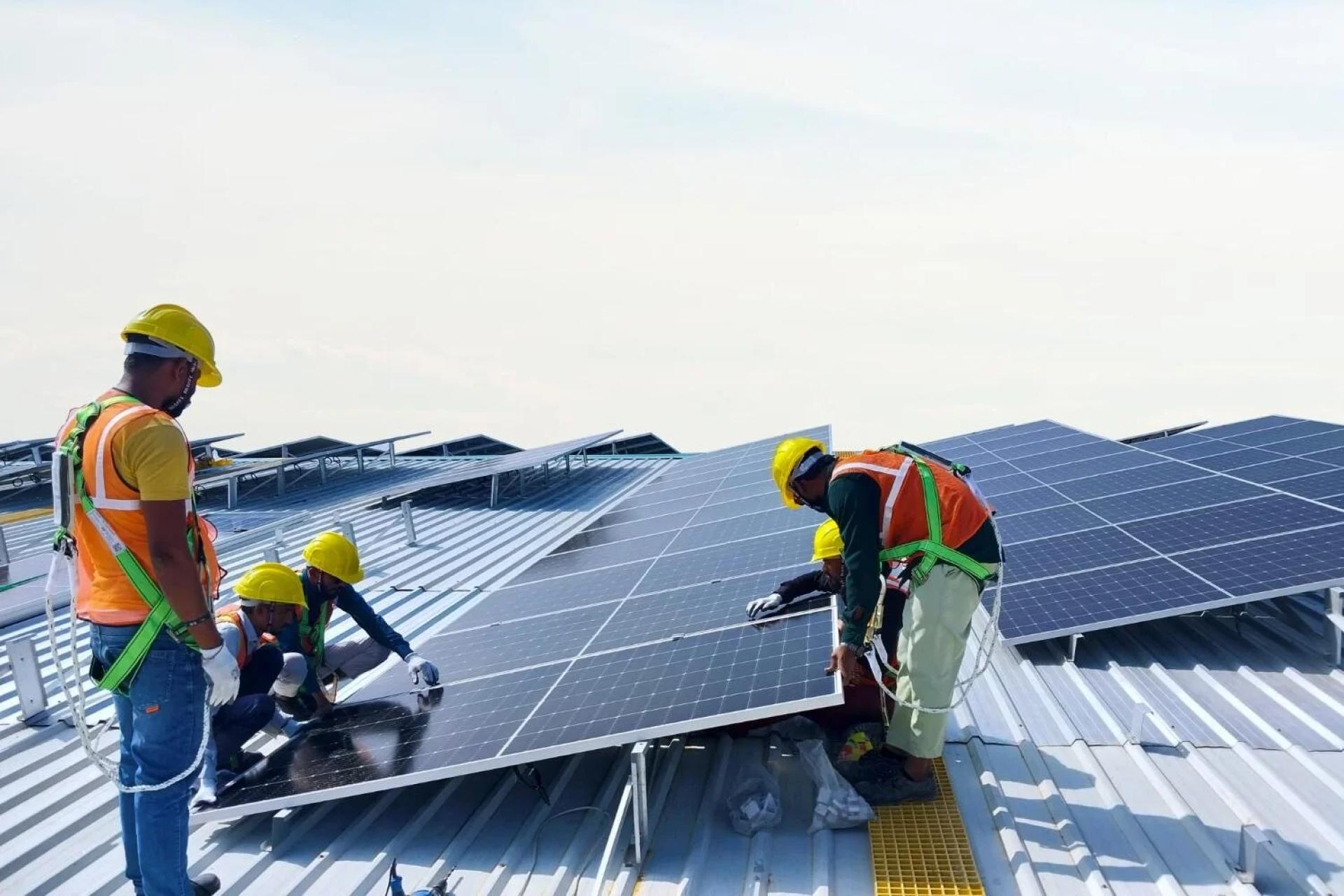
- Consider integrating with renewable energy sources (solar panels, energy storage) to offset energy costs.
- Engage with utility programs that support demand response, energy shifting, or time-of-use incentives.
How to Maximize ROI and Long-Term Success
Installing the charger is just the beginning. Here are strategies to ensure maximum value:
- Market your charging amenity — Promote it in signage, your website/apps, EV directories (e.g. PlugShare), and local EV user groups.
- Set smart pricing — Use tiered rates (higher during peak hours), membership discounts, or bundled offers (free charging with minimum spend).
- Encourage longer stays — For slower chargers, partner with adjacent services (coffee shops, restaurants, lounges) so users spend time (and money) while charging.
- Collect data & iterate — Use analytics to understand usage patterns, downtime, and pricing impact; then adjust accordingly.
- Offer reserved charging for VIP / premium customers — Creates loyalty and exclusivity.
- Bundle with sustainability credentials — Show how charging is powered by renewables or offsets, to strengthen green messaging.
Case Examples & Business Types That Benefit
Here are examples of businesses that see strong returns from commercial EV charger installations:
- Retailers & Shopping Centres — EV owners will shop while their vehicle charges.
- Hotels & Hospitality — Offers convenience to guests, enhancing occupancy and loyalty.
- Restaurants & Cafés — Charging dwell time often correlates with increased spend.
- Workplaces / Offices — Attract employees, improve retention, support fleet conversion.
- Parking Garages & Malls — Adds a compelling amenity and encourages longer parking durations.
- Service Stations & Highways — Captures revenue from EV drivers on long routes (with fast charging).
These are just a few — virtually any business with parking infrastructure can benefit.
FAQs About Commercial EV Chargers
Q1. How much does it cost to install a commercial EV charger?
Costs vary widely depending on charger level (Level 2 vs DC fast), site work, electrical upgrades, trenching, permits, and software. A Level 2 charger may cost a few thousand USD per port, while a DC fast charger can cost tens or even hundreds of thousands. Incentives can offset a significant share of the cost.
Q2. How long does it take to recoup the investment?
Payback periods depend on usage, pricing strategy, electricity costs, and incentives. In many cases, businesses begin seeing a return within 3–7 years. For high‐traffic locations with DC fast chargers, returns may be even faster.
Q3. Can I integrate the charger with solar or energy storage?
Yes — integrating your commercial EV charger with on-site solar generation or battery storage is a powerful way to reduce electricity costs, manage peaks, and enhance resilience. This also strengthens your environmental positioning.
Conclusion
Installing a commercial EV charger is more than an infrastructure upgrade — it’s a strategic move that can generate new revenue, boost footfall, elevate your brand, support fleets, and deliver long-term sustainability value. With careful planning around site design, charger selection, payment systems, and energy management, your business can maximize both financial and reputational returns.
If you're ready to take the next step, Green Integrations Inc. can help. We specialize in turnkey EV charging solutions — from site assessment, design, permitting, installation, and maintenance with a focus on maximizing incentives and long-term performance.





























Sign in to leave a comment.