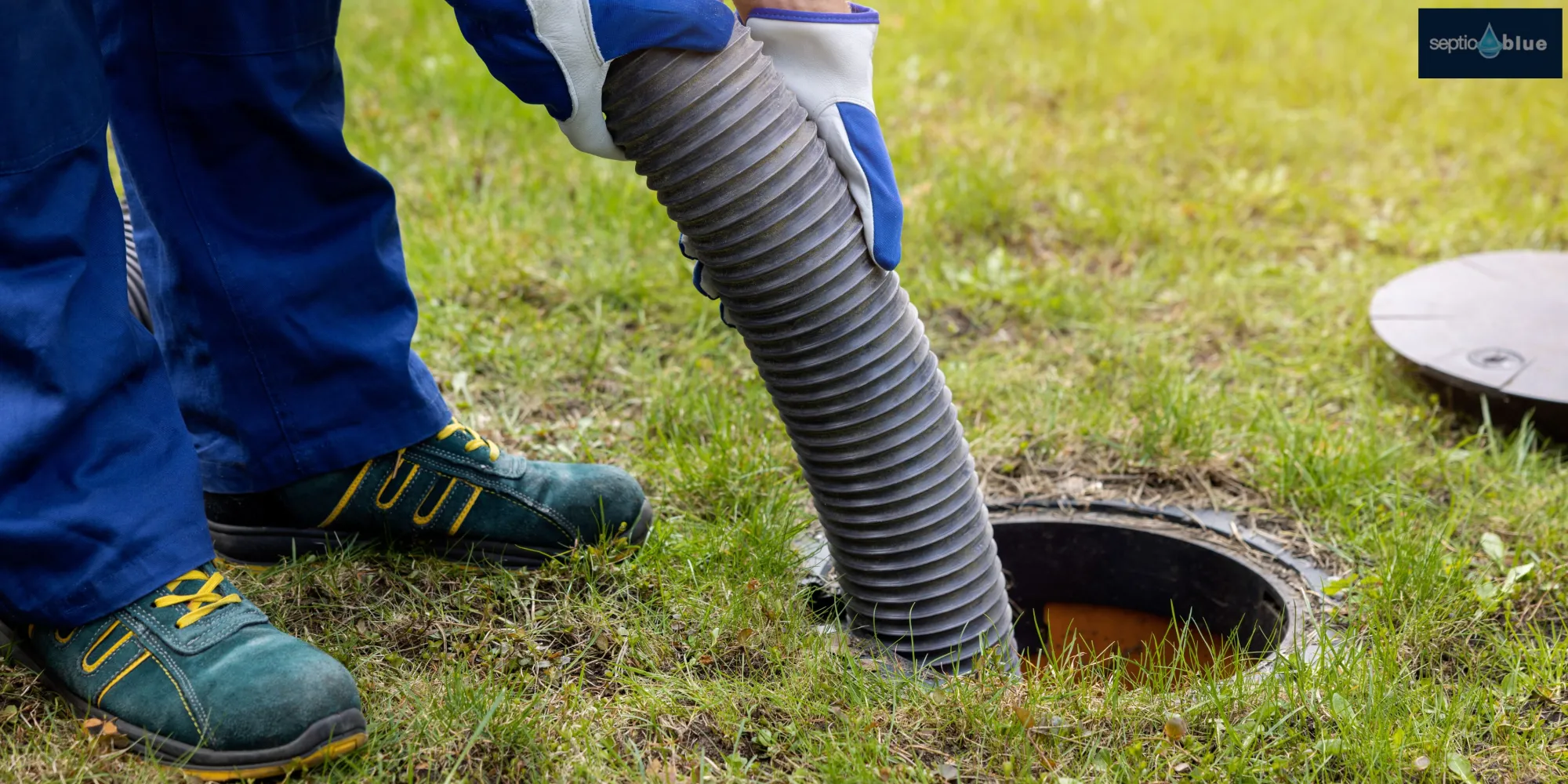

A septic system can operate quietly for years, making it easy to forget about the work happening beneath your yard. Wastewater leaves the house, drains empty normally, and daily routines continue without interruption. However, problems can develop gradually when a tank receives more waste than it can handle or when routine maintenance is postponed.
For homeowners, the best way to avoid unexpected septic pumping in Austell trouble is to understand how the system works and recognize when it needs attention. Simple changes in water usage, careful waste disposal, and regular inspections can help prevent unpleasant odors, drainage problems, and expensive repairs.
Whether you have recently moved into a home with a septic tank or have maintained the same system for years, a practical care routine can help protect your property and keep household plumbing working properly.
Why Regular Septic Maintenance Matters
A residential septic system collects and treats wastewater on the property. Water from toilets, showers, sinks, and washing machines flows into an underground tank. Inside, heavier solids settle at the bottom as sludge, while grease and lighter materials float to the surface as scum.
Naturally occurring bacteria break down some of the organic material. The remaining liquid then moves into the drain field, where the soil provides further treatment.
Over time, sludge and scum accumulate inside the tank. If they are allowed to build up excessively, solid waste can reach the outlet and enter the drain field. This may obstruct wastewater flow and reduce the soil's ability to absorb liquid.
The result can be slow drains, sewage odors, wet areas in the yard, or wastewater backing up into the home. Serious drain field damage can also require expensive repairs.
Routine inspections help identify developing concerns and determine when pumping is necessary. The appropriate schedule depends on tank size, household occupancy, water consumption, and the amount of solid waste entering the system.
Everyday Habits That Help Prevent Septic Problems
Good septic care begins with everyday household decisions. A few simple habits can reduce unnecessary pressure on your tank and plumbing.
1. Keep Household Rubbish Out of the Drains
Toilets and sinks are not designed to dispose of every type of household waste. Wet wipes, paper towels, sanitary products, cotton swabs, and dental floss can accumulate inside the tank or contribute to plumbing blockages.
Even products labelled as flushable may not break down quickly enough to prevent problems. Keep a waste bin in the bathroom and dispose of these items properly.
Kitchen drains also need attention. Cooking grease and oils can cool and harden inside pipes, gradually restricting water flow. Scrape food scraps into the trash and collect used cooking oil separately instead of pouring it down the sink.
Never use your septic system to dispose of paint, fuel, solvents, pesticides, or other hazardous substances.
2. Spread Water Usage Throughout the Week
A sudden increase in wastewater can overwhelm a septic system. Running several laundry loads, taking long showers, and operating the dishwasher at the same time may send more water into the tank than it can comfortably process.
Spread laundry loads across different days and repair leaking faucets or running toilets promptly. Water-efficient fixtures can also help reduce unnecessary consumption.
These adjustments are especially helpful for larger households, where several people may use water throughout the day. Managing water use gives the system more time to process incoming wastewater.
If several drains become slow at once, avoid assuming that excessive water use is the only cause. A blockage or another system problem may require professional investigation.
3. Protect the Tank and Drain Field
The area above a septic tank and drain field should remain protected from heavy loads. Cars, trucks, construction equipment, and other heavy objects can damage underground components or compact the soil.
Avoid building patios, sheds, or other structures over septic components unless a qualified professional confirms that the location is suitable.
Tree roots can also enter underground pipes and interfere with wastewater flow. Keep large trees and shrubs at a suitable distance from the system. Grass is often a good choice for covering the drain field because it helps control erosion without the same root-related concerns as larger plants.
Before starting landscaping work, identify the location of buried pipes and other septic components.
Warning Signs Your Septic System Needs Attention
Septic problems do not always begin with a major backup. Often, the earliest symptoms are easy to overlook.
Watch for these common warning signs:
- Slow drains: Several sinks, toilets, or showers draining poorly may indicate a larger plumbing or septic problem.
- Persistent sewage odors: Unusual smells around household fixtures, the tank, or the drain field deserve investigation.
- Wet areas in the yard: Standing water or soggy soil near the drain field may indicate poor wastewater absorption.
- Unusually green grass: A concentrated patch of lush grass above the drain field can sometimes indicate excess nutrients from wastewater.
- Recurring backups: Wastewater returning through toilets or floor drains requires prompt attention.
One slow sink does not automatically mean the tank needs pumping. A local pipe blockage can cause the same symptom. However, when multiple fixtures develop problems together, arrange a professional assessment.
If sewage backs up into the house, stop unnecessary water use, keep children and pets away from contaminated areas, and contact a qualified septic or plumbing professional. Never enter a septic tank or attempt to inspect its interior yourself because dangerous gases can cause serious injury or death.
When Should You Schedule Septic Pumping?
There is no universal pumping schedule that suits every property. Many residential septic tanks are inspected every one to three years and pumped approximately every three to five years, although some systems need more frequent service.
The correct interval depends on tank capacity, household size, water consumption, and solids accumulation. A smaller tank serving a large family may require more frequent pumping than a larger tank used by only one or two people.
Homeowners researching septic pumping should consider the tank's capacity, the date of the last service, and any recent changes in household water use when planning maintenance.
Keeping service receipts and inspection reports makes it easier to track the system's condition. During an inspection, a qualified professional can assess sludge and scum levels, examine accessible components, and recommend whether pumping is necessary.
Pumping removes accumulated waste, but it does not automatically repair broken pipes, leaking tanks, or a damaged drain field. If symptoms continue after service, further investigation may be needed to identify the underlying cause.
How Weather Can Affect Your Septic System
Heavy rainfall can create additional challenges for septic systems. When the soil around a drain field becomes saturated, wastewater may have difficulty dispersing. Homeowners may notice soggy ground, standing water, or drainage issues.
Keep roof runoff and other surface water directed away from the drain field where practical. Avoid driving over saturated soil and postpone unnecessary landscaping work until the ground has dried.
Cold weather can also affect shallow or poorly protected pipes. Maintaining suitable ground cover and addressing plumbing damage promptly can help reduce seasonal risks.
Homeowners planning septic pumping in Norcross can benefit from arranging maintenance before noticeable problems develop. A professional assessment can help determine whether pumping is needed and whether drainage concerns or damaged components require further attention.
When choosing a service provider, ask what the appointment includes, whether accessible components will be inspected, and whether additional charges may apply. Clear explanations make it easier to understand your system's condition and plan future maintenance.
Septic Blue can help homeowners discuss their septic service needs and explore suitable maintenance options for their properties.
Building a Simple Septic Maintenance Routine
Keeping records is one of the easiest ways to stay on top of septic care. Write down the tank's location, approximate capacity, previous pumping dates, and any repairs that have been completed.
Arrange inspections at appropriate intervals, monitor changes in drainage, and avoid flushing household rubbish. If you have recently purchased a home, request available septic records and consider an inspection if the system's history is unclear.
It is also helpful to keep the tank and drain field accessible for service. Knowing where the components are located can prevent accidental damage during gardening, fencing, or other outdoor projects.
Most importantly, do not wait for a major backup before seeking professional advice. Addressing early warning signs may help prevent more extensive damage and unnecessary disruption.
Frequently Asked Questions
1. How often should a residential septic tank be pumped?
Many residential tanks need pumping every three to five years, but the schedule varies according to tank capacity, household size, water usage, and solids accumulation. Regular inspections help establish the appropriate interval.
2. What are the first signs of septic trouble?
Slow drains in multiple fixtures, persistent sewage odors, standing water near the drain field, and recurring backups are common warning signs. A professional assessment can help identify the cause.
3. Can excessive water use affect a septic system?
Yes. Too much wastewater entering the tank within a short period can overwhelm the system and affect drain field performance. Spreading laundry loads and fixing leaks can help reduce unnecessary strain.
4. Does pumping fix every septic problem?
No. Pumping removes accumulated sludge and scum, but it does not repair damaged pipes, leaking tanks, or failing drain fields. Further inspection may be necessary if symptoms persist.
5. Are household cleaning products safe for septic systems?
Most ordinary household cleaning products can be used in normal amounts according to their instructions. Avoid excessive use of harsh chemicals and never pour hazardous substances into household drains.
6. What should I do if sewage backs up into my home?
Stop unnecessary water use, keep children and pets away from contaminated areas, and contact a qualified septic or plumbing professional promptly. Avoid direct contact with sewage and never enter the septic tank.
Conclusion
A properly maintained septic system helps protect your home from unpleasant odors, drainage problems, and unexpected repair costs. Responsible waste disposal, sensible water use, regular inspections, and timely pumping all contribute to better system performance.
Instead of waiting for warning signs to become emergencies, make septic care part of your regular home maintenance routine. A little attention today can help prevent bigger problems tomorrow and keep your household wastewater system working as it should.



















Sign in to leave a comment.